
What Is Gardening? Simple Definition + Benefits for Beginners
This page may contain affiliate links. Learn More.
What is gardening? Discover why growing your own food changes everything—plus a simple beginner explanation anyone can understand.

What Is Gardening? (Simple Definition)
Gardening is the practice of growing and caring for plants such as vegetables, fruits, herbs, and flowers for food, beauty, or enjoyment.
It can be done in a backyard, containers, raised beds, or even indoors—and it’s one of the simplest ways to grow your own food and improve your health.
The Meaning and Magic of Gardening
Gardening isn’t just about plants, it’s about creating something living. It involves:
- Science (like botany and entomology)
- Art (design, color, and personal style)
- Physical health (movement, strength, and sunshine)
- Mental wellness (calm, hope, joy)
What is the meaning of gardening?
The principles are gardening are the same all over the world. It’s art. It’s science. It’s great exercise. It’s fun! It’s full of hope and promise. Gardening is witnessing miracles over and over again.
Plant cultivation involves entomology, botany, the study of life cycles, chemistry, physiology, and more. The artistry involved depends on styles and preferences. You can plant things in a naturalized way, or in a formal, organized way (such as in English and French gardens).
You can admire and enjoy gardens, or actively participate in cultivating them. But either way, everyone agrees that there is magic in the garden.
Whether you grow a flower garden, work in community gardens, enjoy botanical gardens or green spaces, kitchen gardens, grow herb gardens, do indoor gardening, have rock gardens, or just have a great appreciation of gardens, whether they are in a suburban area or a natural environment, gardens are important.
The growing of plants, whether in formal gardens or casual ones, the care of a garden is great for your physical health and mental health alike. If you grow fresh produce or ornamental plants in flower beds, the type of garden doesn’t matter. The basic principles are the same. The experience of the planter gives them physical activity, emotional connection, and a healthy environment.
Types of Gardening
There are many different types of gardening, and the best one for you depends on your space, time, and goals. Whether you want to grow food, create beauty, or just try something new, there’s a gardening style that fits your life.
Vegetable Gardening
Vegetable gardening is one of the most popular types of gardening. It focuses on growing food you can eat, like tomatoes, peppers, beans, and lettuce.
This is perfect if you want to:
- Save money on groceries
- Feed your family fresh food
- Know exactly how your food is grown
Flower Gardening
Flower gardening is all about growing plants for beauty. You can plant colorful flowers in beds, borders, or containers to brighten your space.
It’s great for:
- Adding color and curb appeal
- Attracting pollinators like bees and butterflies
- Creating a peaceful, relaxing environment
Container Gardening
Container gardening is growing plants in pots instead of in the ground. This is a great option if you have limited space.
Perfect for:
- Small yards
- Patios or porches
- Apartment living
You can grow herbs, vegetables, and even flowers in containers.
Indoor Gardening
Indoor gardening allows you to grow plants inside your home. This can include houseplants, herbs, or even small vegetable setups.
It works well for:
- Year-round growing
- Cold climates or winter months
- Adding life and greenery inside your home
Raised Bed Gardening
Raised bed gardening uses framed beds filled with soil above ground level.
Benefits include:
- Better soil control
- Easier on your back and knees
- Fewer weeds and pests
This is a great beginner-friendly option.
Herb Gardening
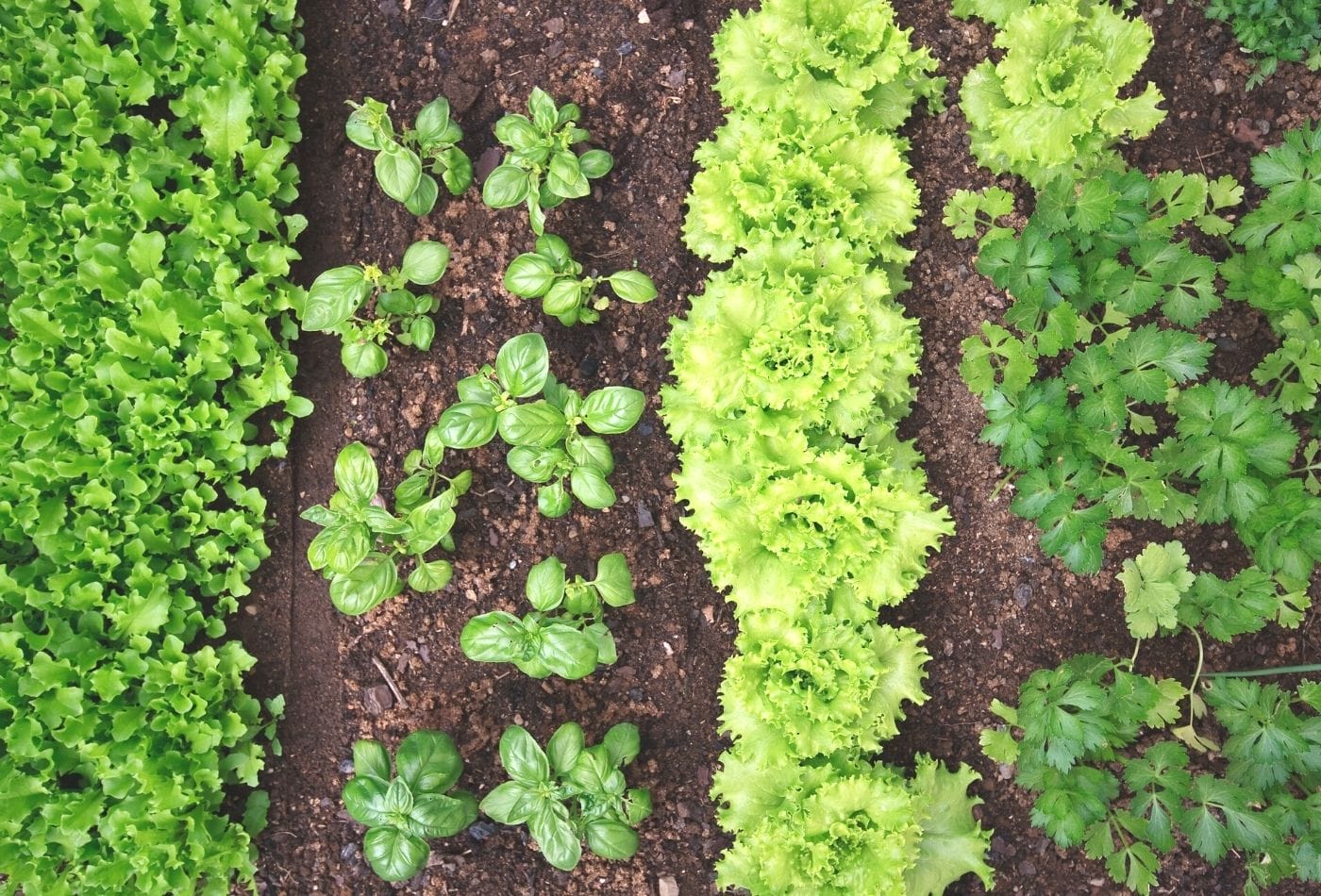
Herb gardening focuses on growing herbs like basil, mint, parsley, and rosemary.
It’s perfect for:
- Cooking fresh meals
- Small spaces
- Beginners who want quick success
Community Gardening
Community gardening happens in shared spaces where people grow plants together.
It’s great for:
- Meeting people
- Learning from others
- Gardening without your own yard
Why Gardening Is Important
Gardening is important for clean air, aesthetic beauty, environmentalism, stewarding resources, producing food, preventing invasive species from taking over, fitness, wellness, knowing what’s in your food, connecting with something bigger than yourself and so many other things.
The importance of gardening spans so many areas of life and so much of our future.
Gardening is important for the conservation of wildlife, it gives people vitamin D as they spend time in the sun, it helps control and prevent dementia, and is a great mood booster.
✔Here’s a link to a great vegetable garden planner you can print right out and use at home! So cute!
Benefits of Gardening
It helps with depression and anxiety. I know for myself, I struggled with depression and crippling anxiety my whole life, but once I began our preschool garden, I have not experienced depression at all. I do have some anxiety still to deal with but it’s far less than I had before beginning the garden.
Serotonin, oxygen, Vitamin D, and so much more is gained in the hours spent working in the garden.

Bees and other pollinators, other bugs, and birds all benefit from the garden as well as little skinks and lizards, snakes, and other animals. Many of them enhance the garden as well in their symbiotic relationship.
Partnering in the community with your spouse, friends, kids, parents, neighbors, or other people helps build a sense of belonging and community. It builds bonds that last a lifetime.
Working in the garden burns calories, reduces the risk of stroke, reduces the risks of heart disease, helps with weight control, and reduces the likelihood of osteoporosis.
Gardening helps us enjoy beauty and gives life more meaning. In addition, we learn a ton of information from the garden. Kids can learn math, science, pre-reading skills, and so much more. But the garden continues to teach adults as well.
Gardening strengthens the immune system as well as the physical and mental health of those who participate with it in all the ways one can.
Growing your own food
Growing your own food is satisfying and a great way to be self-sufficient. But there are so many benefits of gardening at home beyond that.
Knowing where your food comes from and how it was grown is such an amazing gift to give yourself and your family. When we buy food at the grocery store, we have no idea what chemicals it may have been exposed to during planting, maintenance, harvesting, shipping, and even the grocery store.
When we grow the food in our own yard, we know what has or has not been sprayed or sprinkled on it. And we know how safe it is to eat.
So growing our own food has a lot more benefits than just freshness. Although, you’ll never get food from the store that’s minutes from picking, or even hours or only a few days really.
✔Here’s a link to a great vegetable garden planner you can print right out and use at home! So cute!
What is Gardening All About?
Gardening is an art, a science, a wonderful activity. It brings people together. It gives health. It teaches us so many lessons about life. Gardening is the gift that keeps giving for days, weeks, months, and years. It’s the best reason for summer.
Learning the art of growing your own food and passing that down to future generations is of paramount importance for the survival of the human race.
If we all depend on the grocery store, the art will be lost for common people. If our food systems fail, and it is likely they will in some way at some time as we witnessed this past year, who will feed us? I hope you will learn to garden and it will be you! Gardening is a gift!
Gardening is a true gift.
Want to start your own garden? Check out my beginner guide here
And for a month by month vegetable gardening guide, check this out.
How to Start Gardening (Beginner Tips)
Starting a garden doesn’t have to be complicated or expensive. You don’t need a big yard or years of experience—just a few simple steps to get growing.
1. Start Small (Really Small)
One of the biggest mistakes beginners make is trying to do too much at once.
Start with:
- A few containers on a porch
- One raised bed
- A small section of your yard
This keeps it manageable and helps you learn without feeling overwhelmed.
2. Choose Easy Plants First
Pick plants that grow well in your area and don’t need a lot of attention.
Good beginner choices:
- Tomatoes
- Lettuce
- Radishes
- Green beans
- Herbs like basil or mint
These grow quickly and give you early wins (which keeps you motivated).
3. Pick the Right Spot
Most plants need 6–8 hours of sunlight a day.
Look for:
- A sunny area
- Easy access to water
- A place you’ll see often (you’ll take better care of it)
4. Use Good Soil
Healthy soil = healthy plants.
You don’t need anything fancy, just:
- Garden soil or potting mix
- Compost if you have it
Avoid hard, compact dirt—it makes growing much harder.
5. Water Consistently
Plants don’t need perfect care—they need consistent care.
- Water when the soil feels dry
- Don’t let plants wilt regularly
- Try to water in the morning if you can
6. Don’t Overthink It
Gardening is learned by doing—not by getting everything perfect.
Some plants will fail. That’s normal.
Every season you’ll learn:
- What grows well
- What doesn’t
- What your space needs
7. Start with What You’ll Actually Eat
Grow things your family already enjoys.
There’s nothing more satisfying than:
- Walking outside
- Picking your food
- Serving it the same day
8. Make It Part of Your Routine
Check your garden for just a few minutes each day.
This helps you:
- Catch problems early
- Stay consistent
- Enjoy the process
Simple Beginner Gardening Plan
If you’re not sure where to start, try this:
- 1 tomato plant
- 1 herb (like basil)
- 1 fast-growing veggie (like lettuce or radishes)
That’s it. That’s your first garden.