Cooking With Kids: Easy Preschool Recipes and Tips
This page may contain affiliate links. Learn More.
Cooking with kids made easy! Discover simple preschool recipes, safety tips, and fun ways to build cooking skills for kids.

Why Cooking With Preschoolers Matters
Cooking with preschoolers is more than just making a mess in the kitchen, although that part is fun too! It’s a hands-on learning experience that builds confidence, teaches life skills, encourages healthy eating, and builds beautiful memories.
When young children help you cook, they feel capable, involved, and proud of themselves. Skills learned through cooking transfer to math, science, literacy, sensory development, and even emotional growth.
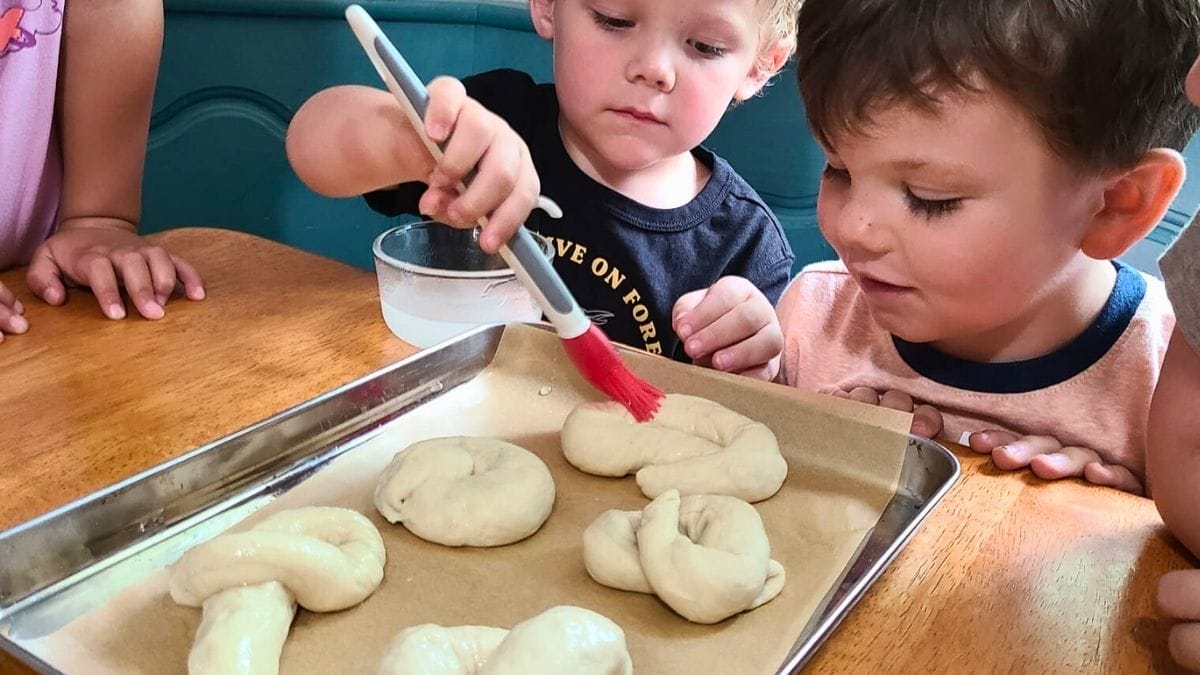
Many adults worry kids are too little to help in the kitchen, but preschoolers are at the perfect age to stir, scoop, pour, sprinkle, wash produce, and help with simple tasks. The key is choosing recipes that are safe, easy, and developmentally appropriate. With a little planning, cooking with kids becomes one of the most joyful parts of your week at home or in your daycare classroom.

Benefits of Cooking With Preschoolers
Cooking builds more skills than most people realize. Preschoolers naturally soak up learning through hands-on experiences, and kitchen time is rich with opportunities.
Building Fine Motor Skills
Scooping flour, stirring batter, peeling bananas, slicing soft foods with a plastic knife, and sprinkling cheese all strengthen little hand muscles needed for writing and cutting later on.
Early Math and Science Concepts
Kids learn counting, measuring, sequencing, and comparing sizes. Watching foods melt, bubble, dissolve, or change temperature introduces scientific thinking without any formal lesson needed.
Literacy and Language Development
Reading recipes, identifying ingredients, naming tools, and talking through steps help preschoolers build vocabulary and comprehension skills.

Social and Emotional Growth
Cooking encourages teamwork, patience, turn-taking, and following directions. Kids also feel proud when they create something everyone can enjoy. It’s a huge confidence booster.
Encouraging Healthy Eating
Preschoolers are far more likely to taste new foods when they help prepare them. Cooking gives them ownership and curiosity, making healthy eating exciting.
Tips for Cooking Safely With Preschoolers
Have ingredients measured out, tools ready, and steps mentally planned ahead of time.
Choose Age-Appropriate Tasks
Preschoolers can:
- Wash fruits and veggies
- Tear lettuce
- Stir ingredients
- Pour from small cups
- Press buttons on appliances (with supervision)
- Add toppings or mix-ins
- Roll dough
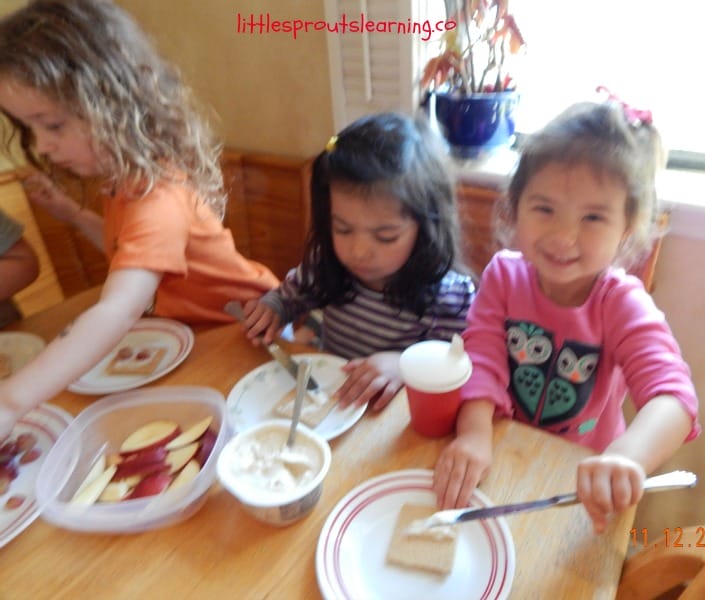
- Spread peanut butter or cream cheese with a child-safe knife
Tasks to save for adults include chopping hard foods, opening cans, using the oven, and handling anything hot.
Practice Proper Hand Washing
Teaching kids to wash their hands before and after cooking is essential. Make it part of the fun with a “chef wash” routine or a song.
Keep Tools Child-Safe
Use kid-friendly knives, silicone utensils, and bowls with grip bottoms. Show kids how to hold tools safely and encourage them to take their time.

Create a Safe Cooking Space
Use a sturdy step stool or a child-height table. Make sure hot items stay far from busy little hands until it’s time for the grown-up steps. In daycare, since we have many kids, I like to bring the cooking projects to the dining room table. There is plenty of room for everyone to stand up in the seat and work over the recipe on the table. In the kitchen, I don’t have room for 7 step stools.
Be Patient With Messes
Mess is part of the learning. Cover the table, use aprons, and embrace the process. Kids get better with practice. I used to be so uptight about this, my daughter is still afraid to cook in front of me and I hate that. She’s in her 30s. But that taught me a lot.
Now I think it’s cute how nervous the kids get when the OTHER kids are pouring or taking a turn. But I just know it’s going to be messy and I’m okay with that.
Easy Preschool Recipes Kids Can Make
Preschool-friendly recipes should be simple, hands-on, and quick. These recipes require minimal cutting or heat, and kids can participate in almost every step.
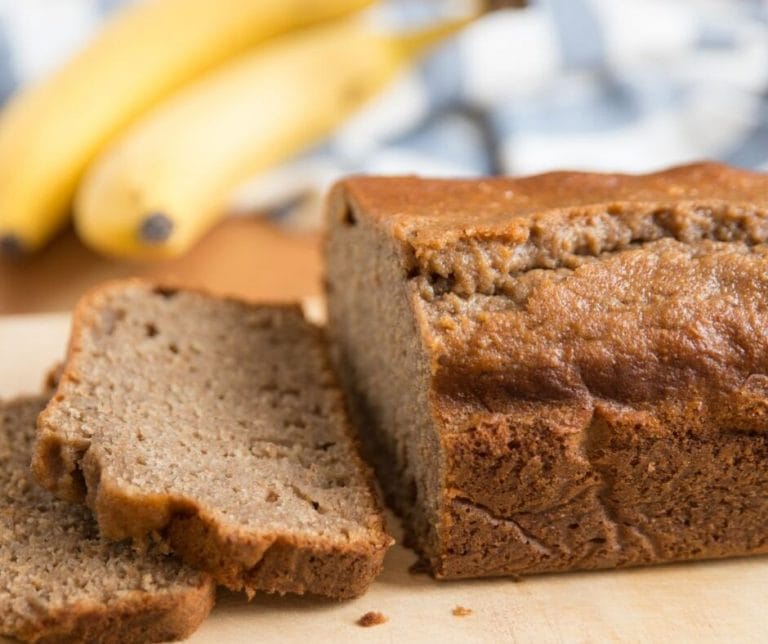
1. Banana Oat Cookies
These two-ingredient cookies are perfect for little hands.
Ingredients:
- 2 ripe bananas
- 1 cup quick oats
- Optional: chocolate chips, cinnamon, raisins
Instructions:
- Have kids peel and mash the bananas in a bowl.
- Add oats and mix.
- Stir in optional add-ins.
- Scoop onto a baking sheet and bake at 350°F for 12–14 minutes.
Kids can do nearly every step themselves!
2. Mini Pizza Faces
A favorite at daycares because kids love assembling their own pizzas.
Ingredients:
- English muffins or pita rounds
- Pizza sauce
- Shredded mozzarella
- Veggies, pepperoni, or olives for decorating
Instructions:
- Let each child spread sauce on their muffin.
- Sprinkle cheese.
- Use toppings to create silly faces.
- Bake until cheese melts.
Kids feel so proud designing their own plates!
3. Yogurt Parfait Cups
Great for breakfast or snack time. Click on the link for the recipe. This teaches layering, counting, and healthy food choices.
4. No-Cook Tortilla Roll-Ups
Perfect for lunch or snack. Preschoolers love making their own little “pinwheels.”
5. Rainbow Fruit Salad
A fun activity for teaching colors and nutrition.
Ingredients:
- Strawberries
- Mandarins
- Pineapple
- Kiwi
- Blueberries
- Grapes
Instructions:
- Wash fruit together.
- Kids help tear, dump, and stir.
- Talk about colors and textures while mixing.
This is always a kid favorite and perfect for summer.
Recipes Kids Can Make
For more ideas, check out these kid made recipes:
- Cooking with Kids-Spaghetti Pie Recipe
- Cooking with Kids-Lotsa Pasta Recipe
- Cooking with Kids-Healthy Blueberry Peach Smoothie Recipe
- Cooking with Kids-Fun Fruit Kabob Recipe
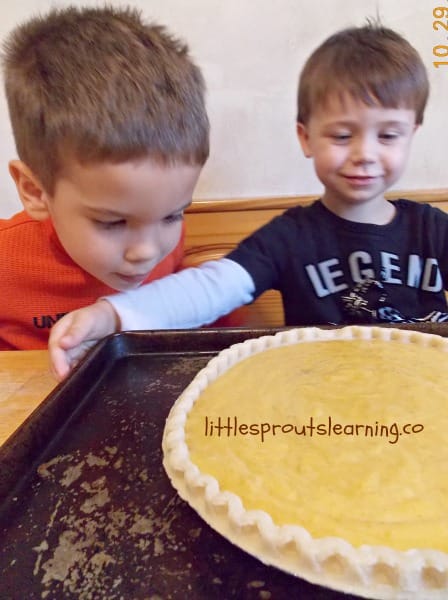
- Easy Pumpkin Pie Recipe-Cooking with Kids!
- Cooking with Kids-Cowboy Cookie Recipe
- Cooking with Kids-Vegetable Beef Soup Recipe
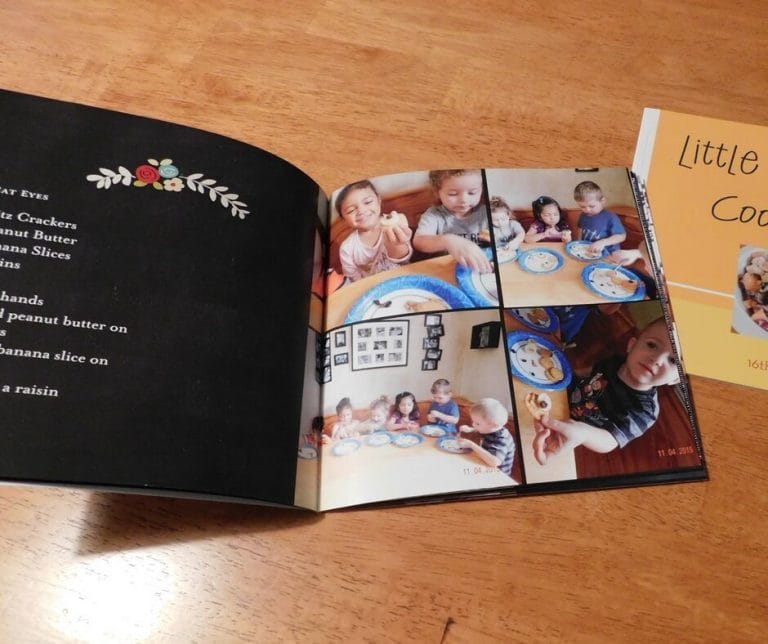
- Kids Cooking Classes-Cat Eye Recipe
Tips to Make Cooking More Successful and Fun
Preschoolers thrive when cooking feels relaxed and joyful. Here are some ways to keep things smooth:
Keep Steps Short
Break recipes into tiny steps so everyone gets several turns. Kids lose interest if the process drags or if they have to wait too long.
Use Visuals
Use picture recipes, step cards, or real ingredient samples to help children follow along. Visual support helps even nonverbal kids participate fully.
Narrate the Process
Talk through each step clearly and slowly:
“We are pouring the oats in the bowl.”
“We are stirring gently so it doesn’t spill.”
Language modeling is huge for little learners.
Let Kids Make Choices
Kids feel more ownership when they choose toppings, mix-ins, or ingredients. It builds independence while keeping them fully engaged.
Celebrate Effort, Not Perfection
If the muffins look bumpy or the fruit salad is mixed wildly, that’s okay. Celebrate what kids try, not how perfect the food looks. Remember my daughter? We need to build skills and confidence, not expect perfection. Something I had to learn, because that is all I had known until then.
Incorporate Learning Naturally
Ask questions like:
“How many scoops do we need?”
“What color is this berry?”
“What do you think will happen when we stir?”
Cooking becomes a natural extension of play-based learning.
Making Cooking a Regular Part of Your Day
Cooking doesn’t have to be a big event. Even simple activities like cutting bananas, making toast, washing apples, or mixing pancake batter count as cooking experiences. Build it into your weekly routine by planning one child-led recipe every few days. Kids love repetition, so don’t worry if they want to make the same recipe again and again.
For daycare settings, cooking can be tied to themes:
- Apple week → applesauce
- Farm week → butter shaking
- Shapes week → mini pizzas
- Color week → rainbow fruit cups
Little hands learn best when given real, meaningful tasks. Cooking offers that in the most delicious way.