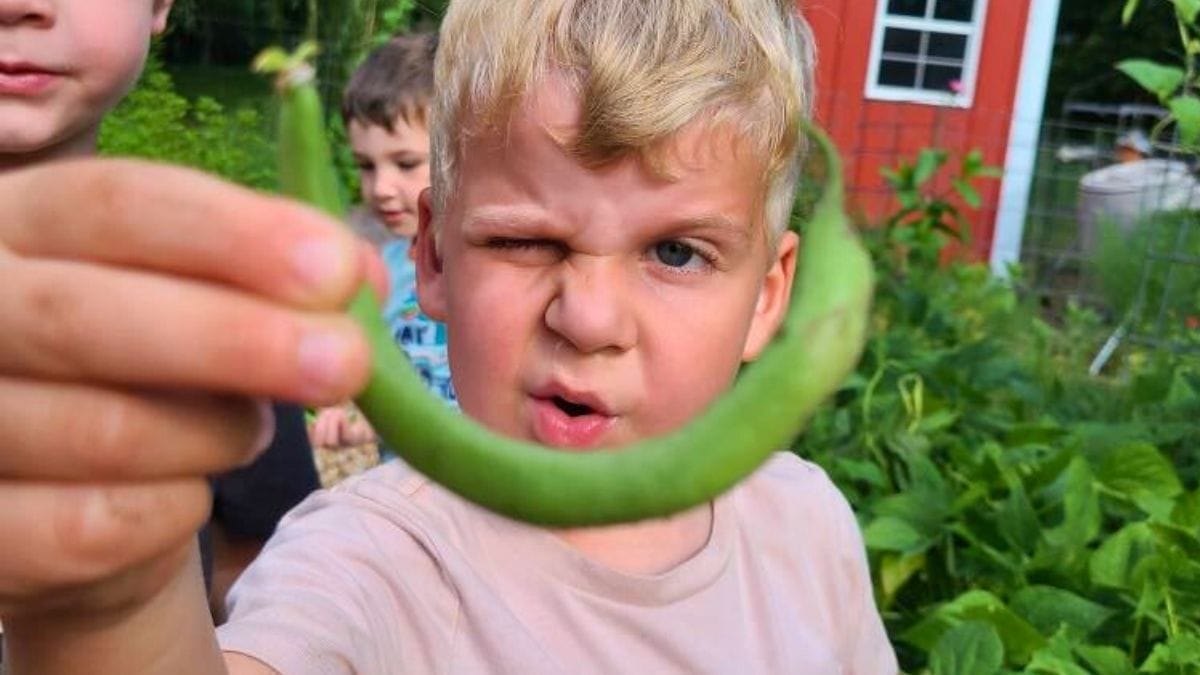
Nature Based Learning for Kids
This page may contain affiliate links. Learn More.
Nature based learning taps into the benefits of outdoor exploration while teaching valuable life skills, problem-solving, and creativity to kids. Children today are often surrounded by screens, schedules, and structured activities. While these things have their place, research shows that kids also need unstructured time in nature to thrive.
What Is Nature Based Learning?
Nature-based learning means using the outdoors as both the classroom and the teacher. Instead of only relying on worksheets, toys, or indoor lessons, children engage with natural elements: rocks, water, soil, plants, and wildlife.
It isn’t about having fancy equipment or expensive outdoor classrooms. It’s about allowing children to explore, experiment, and learn through play in nature. For example:
- Watching ants carry food back to their nest.
- Counting pinecones on a walk.
- Digging in the dirt to see what lives underneath.
- Building forts out of sticks and leaves.
Every outdoor experience can become a lesson if we allow children the space and freedom to wonder.
The Benefits of Nature Based Learning
The outdoors is a rich and ever-changing environment that supports all areas of child development.
Physical Health
Kids who play outside are more active, building strong muscles and bones. Running, climbing, digging, and balancing help develop gross motor skills, while picking up small stones or threading leaves on a stick strengthens fine motor control. Sunlight also provides vitamin D, essential for growth and immunity.
Mental Health
Spending time in nature reduces stress and anxiety for children (and adults). Outdoor play has been shown to improve mood, focus, and emotional regulation. For children who struggle with attention indoors, nature provides calming stimulation that actually helps them concentrate.
Creativity and Imagination
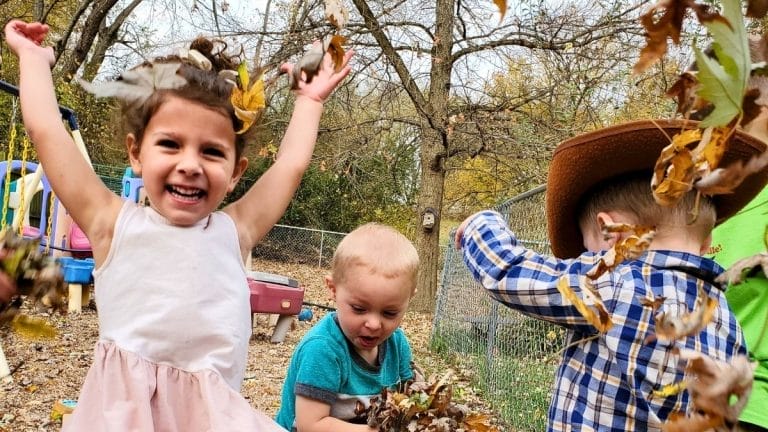
Unlike many toys, nature doesn’t come with instructions. A stick can be a sword, a fishing pole, or a magic wand. Leaves can become money, a roof, or a piece of art. Open-ended materials spark creativity in ways store-bought toys often cannot.
Academic Skills
Outdoor exploration naturally reinforces literacy, math, science, and social studies. Counting bugs, measuring puddles, drawing maps of the yard, or telling stories about animals all tie into learning standards in meaningful, hands-on ways.
Environmental Stewardship
Children who spend time outdoors learn to value and protect the earth. They see firsthand how plants grow, how insects and animals survive, and how their own actions impact the environment. This builds responsibility and respect for nature.
Nature Based Learning Activities for Kids
You don’t need to live in a forest or have acres of land to make nature-based learning possible. Even a backyard, daycare yard, or local park can become a thriving classroom.

Sensory Activities
- Nature Touch Box: Collect items like feathers, pinecones, and bark. Have children feel them with their eyes closed and describe textures.
- Sound Walk: Go outside and sit quietly for one minute. List all the sounds children hear—birds, wind, rustling leaves.
- Smell Exploration: Plant herbs like mint, basil, and lavender in pots for children to sniff, touch, and taste.
Literacy in Nature
- Storytelling Strolls: Take a walk and invent a group story based on what you see. “Once upon a time, a squirrel found a shiny acorn…”
- Letter Hunt: Look for natural items that resemble letters: sticks shaped like “Y,” rocks shaped like “O.”
- Nature Journals: Give children small notebooks to draw or dictate what they notice each day outside.
Math Outdoors
- Counting Collections: Gather pebbles, leaves, or flowers and count them together. Sort by size, color, or shape.
- Measuring Sticks: Use sticks or strings to measure garden beds, footprints, or tree trunks.
- Pattern Play: Create repeating patterns with rocks, leaves, and flowers.

Science and Discovery
- Bug Investigation: Provide magnifying glasses and watch ants, beetles, or worms. Talk about their habitats and roles in nature.
- Water Play: Explore floating and sinking with natural objects in a tub of water.
- Plant Growth: Grow seeds in clear cups so children can see roots and shoots develop.
Art in Nature
- Leaf Rubbings: Place paper over leaves and rub with crayons to reveal patterns.
- Stick Sculptures: Use twigs, clay, or string to build structures.
- Ephemeral Art: Arrange flowers, stones, and leaves into designs, then leave them for others to enjoy.
- Nature Wands: Collect items in nature and make these cool wands.
- Natural Dyes: Collect items and make natural dyes for fabrics with them.
Social and Emotional Learning
- Cooperative Building: Encourage groups of children to build forts or fairy houses together.
- Mindfulness in Nature: Lead kids through simple breathing exercises while lying in the grass.
- Caring for Living Things: Assign children tasks like watering plants, feeding worms, or refilling bird feeders.
Making Nature a Daily Habit
Nature based learning doesn’t need to be a special occasion. Here are ways to make it part of daily routines:
- Morning Outdoor Time: Start the day with 15 minutes of free play outside.
- Snack Outside: Whenever possible, serve meals outdoors for a change of scenery.
- Bring the Indoors Out: Read books, sing songs, or do circle time under a tree.
- All-Weather Play: With the right clothing, kids can explore in rain, snow, or shine. Different weather brings different learning opportunities.
Overcoming Challenges
Some families or providers worry about the challenges of outdoor learning. Here are practical solutions:
- Limited Space: Even a small yard, porch, or sidewalk can work. Use pots, bins, and container gardens for exploration.
- Bad Weather: Invest in rain boots, coats, and sun hats. Remember, “There’s no bad weather, only bad clothing.”
- Safety Concerns: Teach children basic rules: Don’t eat unknown plants, stay within boundaries, and be gentle with insects. Supervision and preparation make outdoor play safe.
- Mess: Expect dirt and mud. Keep a basket of clean clothes handy for quick changes and embrace the joy of messy play.
The Role of Adults in Nature-Based Learning
Adults don’t need to be experts in plants, animals, or science to guide nature learning. Instead, think of yourself as a co-explorer.
- Ask Questions: “What do you notice?” “Why do you think that happened?”
- Model Curiosity: Show interest in small discoveries. Pick up a rock, smell a flower, or listen to a bird.
- Allow Independence: Step back and let children lead. If they want to dig holes or line up sticks, let that exploration happen.
- Celebrate Process, Not Product: The goal isn’t a perfect craft. It’s the learning that happens while creating.
Long-Term Benefits of Nature-Based Learning
When nature becomes part of daily life, children grow in ways that last well beyond childhood.
- Resilience: Outdoor challenges like climbing rocks or problem-solving in play build confidence.
- Critical Thinking: Observing, experimenting, and questioning in nature creates strong problem-solvers.
- Social Skills: Working together outdoors encourages teamwork and empathy.
- Love of Learning: Nature fosters curiosity that extends into academic settings.
- Environmental Connection: Kids who grow up loving nature are more likely to become environmentally responsible adults.
Crooksie and Churro Learn to Count
For a really sweet and fun story about two garden cats named Crooksie and Churro, check out our new book on Amazon, “Crooksie and Churro Learn to Count“. It’s a counting book that talks about emotions and helps kids learn that it’s okay to feel them all.

Beautiful illustrations engage kids as you explore different places in the garden. And there’s even an easter egg in the book, so they can practice their I Spy skills. See if you can figure out what it is! Grab your copy today and come on a garden adventure with us.

Simple Ways to Start Today
- Plant a small container garden with herbs or flowers.
- Go on a nature walk around your neighborhood, collecting leaves or rocks.
- Read books about animals or weather outside instead of indoors.
- Start a compost bin and let kids add scraps while learning about decomposition.
- Lie on the grass and watch clouds together.
You don’t need special training or expensive materials. Just step outside, slow down, and notice what the world has to teach.
Nature based learning for kids is simple, powerful, and joyful. It doesn’t require fancy supplies or elaborate lesson plans; just curiosity, openness, and time outdoors. By giving children space to explore, touch, and wonder about the natural world, we help them grow physically, mentally, and emotionally.
Whether you’re tending a preschool garden, taking a walk in the park, or letting children build stick forts in the backyard, every moment in nature is a chance to learn. With regular exposure, kids gain resilience, creativity, problem-solving skills, and a lifelong love of the outdoors.
In a world that’s often fast-paced and technology-driven, nature offers balance, peace, and discovery. Let’s give our children the gift of learning through the world outside their doors.