
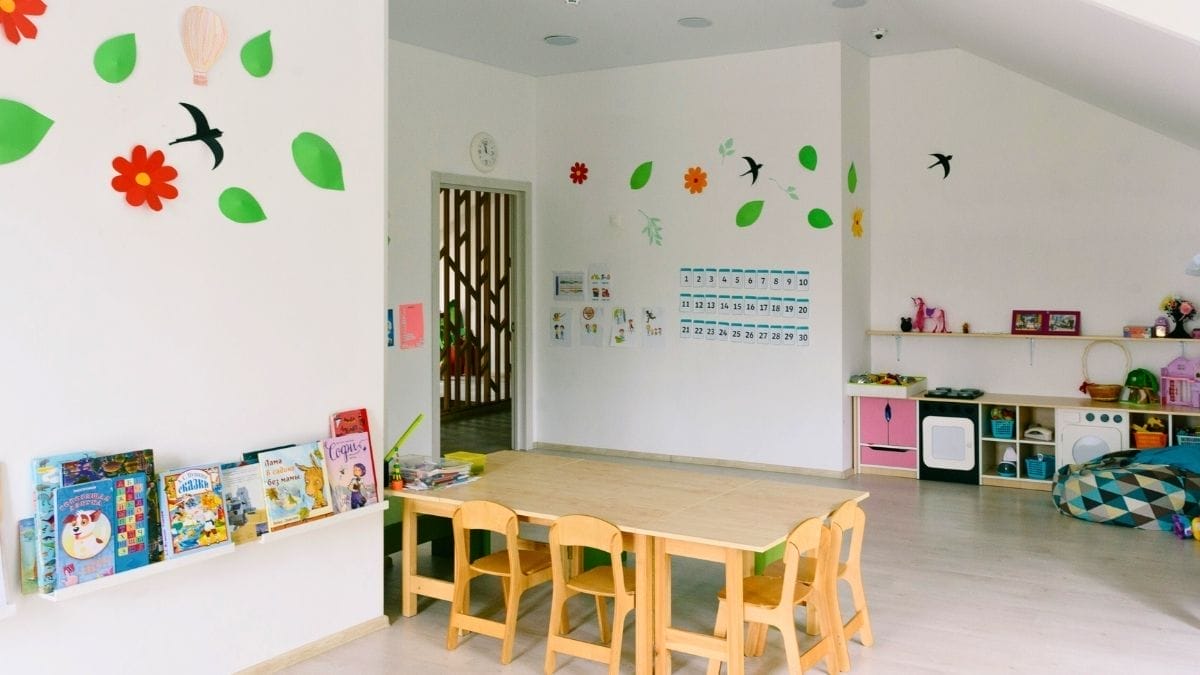
Budget Friendly Daycare Setups
This page may contain affiliate links. Learn More.
Starting or running a home daycare is a labor of love. You don’t need a huge budget or fancy equipment for Budget Friendly Daycare Setups that work beautifully.

Providers want to give children a safe, enriching environment filled with learning opportunities, but the startup expenses of toys, furniture, and supplies can add up fast. With a little creativity, repurposing, and planning, you can create a space that meets children’s needs and licensing requirements while still keeping costs low.
Focus on What Kids Really Need
Children thrive in environments that are safe, loving, and engaging. Not in picture-perfect classrooms that look like catalogs. Before spending money, think about the essentials:
- Safety: Secure gates, covered outlets, and sturdy furniture matter more than flashy toys.
- Comfort: A cozy reading corner, soft rugs, and calm lighting go a long way.
- Variety of Play: Children need open-ended materials that encourage imagination, problem-solving, and social skills.
When you keep these priorities in mind, you’ll save money by skipping unnecessary purchases.
Repurpose What You Already Have
Look around your home before shopping. Many household items can double as daycare equipment:
- Kitchen Supplies: Muffin tins for sorting games, spatulas for dramatic play, plastic bowls for sensory bins.
- Furniture: A sturdy coffee table becomes a play table, and old bookshelves can store toys and books.
- Linens: Old sheets can be used for fort-building, costumes, or dramatic play.
- Storage Bins: Laundry baskets work for toy storage or block play.
Repurposing not only saves money but also shows children how to use everyday materials creatively.
Shop Secondhand
Daycare doesn’t have to mean brand-new. Gently used items are often just as good, and much cheaper.
- Thrift Stores: Look for baskets, books, puzzles, and furniture.
- Garage Sales: A goldmine for toys, children’s books, and outdoor play equipment.
- Online Marketplaces: Facebook Marketplace, Craigslist, and Buy Nothing groups often have free or low-cost daycare essentials.
- Library Sales: Affordable books are easy to find at local library fundraisers.
When buying secondhand, check items carefully for safety. No broken pieces, peeling paint, or small parts for choking hazards.

DIY Learning Materials
Many of the best learning activities can be homemade with little to no cost.
- Sensory: Fill containers with rice, beans, or water. Add spoons, scoops, and cups.
- Counting Tools: Painted rocks or bottle caps work perfectly for math practice.
- Homemade Playdough: Cheap to make with flour, salt, and water. Add food coloring or spices for variety.
- Art Supplies: Save cardboard tubes, cereal boxes, and egg cartons for crafts.
Kids don’t need expensive, themed toys. They need materials that let them imagine, build, and explore.
Use Nature as Your Classroom
One of the best free resources for daycare is nature. The outdoors offers unlimited opportunities for play, learning, and sensory exploration.
- Loose Parts Play: Collect sticks, pinecones, leaves, and stones for building and sorting.
- Gardening: Even a small container garden teaches kids where food comes from.
- Outdoor Gross Motor Play: Running, jumping, and climbing on natural terrain develops strength and coordination.
- Art Materials: Use flowers, grass, or mud for nature-inspired art projects.
Nature play not only saves money but also enriches children’s development in ways store-bought toys cannot.

Keep Furniture Simple
You don’t need to invest in expensive classroom furniture. Kids do well with basics:
- Low Shelving: Easy-to-reach shelves make toys accessible and encourage independence. Bookshelves from thrift stores or discount shops work well.
- Child-Sized Tables and Chairs: Affordable options can be found secondhand, or use sturdy stools with a short table.
- Rugs and Mats: Garage sales often have large rugs that can define play areas and add warmth.
- Nap Mats: Simple mats or cots are sufficient. If licensing allows, nap blankets and pillows from home keep costs down.
Choose versatile furniture that can serve multiple purposes. A low shelf can be storage, a display, or a room divider.
Organize with Baskets and Bins
Organization makes even a small daycare feel inviting. You don’t need matching storage units, just practical solutions.
- Baskets: Thrifted baskets work for blocks, books, or dramatic play clothes.
- Clear Plastic Bins: Easy for kids to see what’s inside and stack neatly.
- Labels: Pictures with words help children learn to clean up independently.
Simple storage keeps the environment calm, helps children know where things go, and reduces stress for providers.
Rotate Toys Instead of Buying More
Instead of buying new toys constantly, create a rotation system. Store some toys away and switch them out every few weeks. This keeps children engaged and makes old toys feel new again.
Rotating toys also reduces clutter, making the space calmer and easier to manage.
Focus on Open-Ended Toys
Instead of buying toys that only do one thing (like noisy electronic gadgets), invest in a few open-ended materials:
- Blocks: Wood blocks, LEGO-style bricks, or magnetic tiles.
- Dramatic Play: Dress-up clothes, play food, dolls, and pretend kitchen tools.
- Art Supplies: Crayons, markers, paper, and playdough.
- Loose Parts: Scarves, shells, buttons, and recycled materials.
Open-ended toys last longer and encourage more creativity.
Budget-Friendly Decor
Your daycare doesn’t need themed decorations or expensive posters. Create a warm, welcoming environment with low-cost touches:
- Children’s Artwork: Frame or hang their creations. This builds confidence and saves money.
- Nature Decor: Pressed leaves, sticks, and rocks can make lovely displays.
- DIY Posters: Print free educational posters online or make your own with markers and construction paper.
Kids value their own creations far more than store-bought decor.
Involve Families
Parents are often happy to help with supplies when asked.
- Donations: Ask families for gently used toys, books, or art supplies.
- Wish Lists: Share a small wish list each month of items like tissues, markers, or paper.
- Swap Events: Organize a toy or book swap where families exchange items.
This not only saves money but also builds a sense of community.
Smart Budget Tips for Providers
- Start Small: You don’t need everything at once. Add materials gradually as your budget allows.
- Plan Ahead: Watch for sales on seasonal items like outdoor toys or art supplies.
- Prioritize Safety and Durability: Saving money doesn’t mean cutting corners, choose sturdy items that will last.
- Keep Receipts: Track expenses for tax deductions. Many supplies can be written off.
- Stay Minimalist: Less is often more. Children engage more deeply with fewer, high-quality options.
Sample Budget-Friendly Daycare Setup
Here’s what a functional, low-cost daycare setup might look like:
- Play Area: Secondhand rug with baskets of blocks, cars, and dolls.
- Reading Corner: Thrift store bookshelf, beanbags, and a basket of books.
- Art Station: Old table with crayons, markers, and a bin of recycled craft materials.
- Dramatic Play: A donated play kitchen with thrifted pots, pans, and dress-up clothes.
- Outdoor Space: Storage bin of balls, jump ropes, and nature collections like sticks and pinecones.
Total cost: A fraction of what commercial classroom setups might charge, and just as engaging.
Setting up a daycare doesn’t have to drain your bank account. By repurposing what you already have, shopping secondhand, embracing nature, and focusing on open-ended play, you can create a warm and educational environment for children without overspending.
The most important part of your daycare is not the furniture or the toys, it’s you. A caring, loving provider makes the space feel safe and enriching. When you combine that care with creativity and resourcefulness, you can run a beautiful daycare on any budget.
Children don’t need flashy gadgets to grow and thrive. They need nurturing relationships, open-ended play, and opportunities to explore. With these budget-friendly daycare setup tips, you can provide all of that and more without breaking the bank.
Saving Money in Home Daycare
For more ideas on saving money in home daycare, check these out:
- Home Daycare Budget
- 15 Budget Stretching Chicken Recipes
- Budget Tuna Rice Casserole Recipe with Cheese
- Eat Healthy AND Save Money!
- What to Eat to Save Money
- Dirt Cheap Meals for Daycare
Home Daycare Setup Ideas
For examples of different home daycare setups, check these out: