
23 DIY Sensory Play Ideas
This page may contain affiliate links. Learn More.
These DIY sensory play ideas are easy to create at home or in a daycare setting using everyday items and a little imagination. Sensory play is more than just fun, it’s an essential part of early childhood development.

Sensory Play Activities You Can Make Yourself
Through sensory experiences, children learn about their world using touch, sight, sound, smell, and sometimes even taste. Sensory play builds fine motor skills, encourages exploration, and supports language development, problem-solving, and social interaction. Best of all, you don’t need fancy materials or expensive toys.
Cloud Dough
Made from just flour and oil, cloud dough is soft, moldable, and messily magical. Add scoops, cookie cutters, or small containers. Kids will love squishing and shaping it.
Magnetic Sensory Bottle
A few magnets, a strong bottle, and a bunch of metal things make a great experience for kids to explore. Feeling the pull of the magnets is great fine motor strengthening as well as sensory input.
Rainbow Rice Bin
Colorful rice is a classic sensory material that’s easy to make and fun to explore. Pour it into a bin with scoops, cups, funnels, or small toys. Kids love the sound and feel of running their hands through it, and it’s great for pouring, measuring, and pretending.
Sensory Playdough
It’s fun and easy to make your own homemade playdough and you can scent it with different experiences for the kids in different ways. Check out this DIY Green Tea Sensory Playdough.
Sensory Sticks
These sensory sticks are easy to make and you probably already have everything on hand to make them.

Soapy Water Station
Fill a tub with warm soapy water, sponges, and a few washable toys. This simple setup is fantastic for sensory input and pretend play. Let kids wash toy animals, baby dolls, or cars. Add bubbles or droppers for extra fun.
Nature Sensory Tray
Head outside and collect leaves, flowers, sticks, rocks, and seeds. Arrange them in a tray and let kids explore textures, smells, and colors. You can talk about the items, sort them by category, or even create nature art.
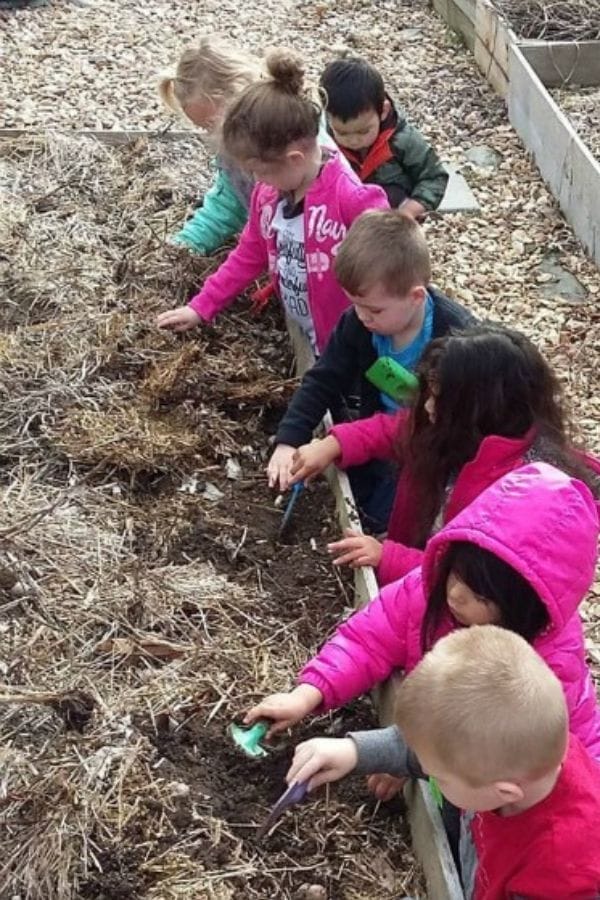
Sensory Garden
There are very few places that offer more sensory experiences than the garden! Choose plants that offer different textures, flavors, scents, and more. This is a place that your kids will want to visit again and again.
Frozen Treasures
Freeze small toys or natural items like flowers and leaves in ice cube trays. Give kids droppers of warm water, salt, or small tools to help them “rescue” the items. This activity builds fine motor skills and teaches basic science concepts.
Pom Pom Scoop Bin
Fill a bin with colorful pom poms and add tongs, scoops, cups, and bowls. It’s a soft, quiet activity that supports fine motor development and coordination. For extra learning, try sorting by size or color.
Sensory Bottles
Fill clear plastic bottles with water, oil, glitter, beads, or small objects. Seal the lid and let kids shake, roll, and watch the materials swirl and settle. Sensory bottles are calming and visually stimulating for kids of all ages. There are so many different sensory bottles you can make. They are easy to do and lots of fun for the kids. Check some of these out:
- DIY Glitter Rainbow After the Storm Sensory Bottle
- How to Make Easy Winter Sensory Bottles for Toddlers
- Easy Fall Sensory Bottles That Are Calming For Kids
- Easy DIY Mini Sensory Bottles for Engaging Kids
Mud Kitchen
Create a pretend kitchen outdoors with bowls, spoons, and pots. Let kids mix dirt, water, grass, and leaves to make mud pies and “soup.” This type of messy play builds creativity and connects kids to nature.

Jello Dig
Set small toys into a tray of prepared gelatin and let kids dig them out. This activity is wiggly, jiggly, and tons of fun. It’s perfect for a warm day outdoors and supports both sensory exploration and problem-solving.
Kinetic Sand
Make your own kinetic sand. It’s moldable like wet beach sand but less messy than mud. Use cookie cutters, small cups, or figurines for added engagement.
Smelling Station
Create a scent station with cotton balls dipped in extracts or essential oils like vanilla, peppermint, lemon, or lavender. Place them in cups or jars with lids that have holes. Encourage kids to guess each smell and describe it in their own words.
Texture Walk
Lay out different textured materials like bubble wrap, carpet squares, fabric scraps, and cardboard on the floor. Let kids walk barefoot across each one and describe how it feels. It’s a fun way to promote sensory awareness and body awareness.
Glow in the Dark Play
Turn off the lights and try sensory play with glow sticks, glow-in-the-dark paint, or blacklight-reactive materials. Add glowing items to water bins or sensory bottles for a magical nighttime experience. You can even make glow in the dark sensroy bags!
Paper Shred Bin
Recycle shredded paper by turning it into a sensory bin. Add scoops, plastic eggs, or small toys for a fun search-and-find activity. This is a great indoor option that encourages fine motor control and visual scanning.
Chalk Dust Sensory Tray
Grate colored chalk into a bin or onto a tray and let kids draw, blow, or swirl the powder with brushes or their fingers. It’s a unique sensory experience that combines art and texture.
Sensory Walk with Water Beads
Soak water beads until plump and squishy, then add them to a shallow bin or underfoot sensory path. These beads are slippery and bouncy, providing a fascinating texture for both hands and feet. Always supervise closely and avoid with mouthing children.
Foam Soap Bin
Whip up a batch of foam using a hand mixer, water, soap, and a bit of food coloring. Pour it into a sensory bin and let kids scoop, swirl, and draw in it. Add toys or letters for more fun and learning.
Taste-Safe Edible Sand
For toddlers still putting everything in their mouths, mix crushed cereal or graham crackers into “sand” for sensory digging and scooping. Add measuring cups or small beach toys for a toddler-safe sandbox alternative.
Sensory Bags
Kids can have even more sensory fun with sealed ziplock bags filled with sensory play. Check out how easy these sensory bags are to make:
- DIY Transportation Sensory Bag Activity for Kids
- How to Make Mess-Free Sprinkle Sensory Bags for Kids
- How to Make a Fun Caterpillar Sensory Bag for Toddlers
Sensory Play Doesn’t Have to Be Complicated
These DIY sensory play ideas prove that you don’t need expensive materials to offer rich, engaging experiences for kids. With just a few items from your pantry, craft drawer, or backyard, you can spark imagination, encourage learning, and help children regulate their emotions through hands-on exploration. Whether you choose messy bins, calming bottles, or textured walks, sensory play is a wonderful way to support development in a joyful, meaningful way. Try a few of these ideas this week and watch your kids dive into the magic of sensory discovery.