
How to Make Brown Gravy for Turkey (25 Minutes)
This page may contain affiliate links. Learn More.
Learn how to make brown gravy from scratch with simple ingredients and basic technique. Ready in 25 minutes for 10 servings. For all the best homemade dressing, dip, and sauce recipes check this out.

- Learn how to make rich, silky brown turkey gravy from scratch in just 25 minutes using simple pantry staples.
- Discover the essential ingredients and step-by-step technique to avoid lumps and achieve restaurant-quality results every time.
- Get pro tips for deepening flavor, adjusting consistency, and scaling this recipe to feed your whole table.
There is brown gravy and white gravy. White gravy is made with fat and flour along with milk. Brown gravy is made with meat drippings and cornstarch. Gravy from the turkey drippings is brown, generally speaking. If you need instructions on how to cook a whole chicken, turkey, or duck, check this out.
Old Fashioned Brown Turkey Gravy Recipe Like Grandma’s
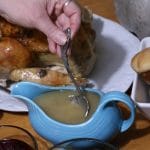
Old Fashioned Brown Turkey Gravy
Ingredients
- 3 c turkey drippings, with the fat skimmed off the top
- 3 Tablespoons corn starch
Instructions
- Skim all the fat off the top of the drippings with a spoon. There will be a small amount left that you can't get, that is fine.
- Place a cup of the hot liquid in a small bowl and the rest in a small saucepan.
- Bring the liquid in the pan to a boil.
- Place the corn starch in the small bowl and whisk until no lumps remain.
- Place a strainer over the top of the boiling liquid and pour the cornstarch slurry through it into the boiling liquid.
- Remove the strainer and whisk the gravy as it cooks.
- Cook and stir for 10-20 minutes. If your liquid gets too thick, add some chicken stock or a few tablespoons of water at a time until it's the consistency you like. If it's too thin, keep cooking it until it's thick enough. Remember to continue to whisk it most of the time it's cooking.
- Taste it and add salt if needed. All of the flavor is in the gravy already from the turkey and it's seasonings so you won't need anything else.
Nutrition
This instant pot turkey breast makes a wonderful tender juicy flavorful meal in no time.
Grandma’s Turkey Gravy Recipe
Besides saving money, it’s a great idea to make your own homemade gravy because then you know exactly what’s in it. Store-bought mixes and gravies are filled with flavor enhancers, artificial flavors, preservatives, and other chemicals that may not be the most healthy to put in your body.
I have multiple chemical sensitivities and many of these additives can give me migraines, diarrhea or other unpleasant symptoms. Even if you don’t have chemical sensitivities, additives have many health concerns. Know what’s in your food.
Another great reason to learn how to make homemade brown gravy from scratch is the flavor. Nothing equals the pure taste of homemade food. Store-bought is not even in the same universe as homemade. Do yourself a favor, and learn this skill. For more basic cooking skills you need, click here.
My grandmother was a master of gravy. Grandpa wanted gravy at every meal and when Grandpa wants it, Grandma masters it. Her food was oozing with love. She nourished people with her cooking. I love that. I want that.
My Mom does that as well and her gravy is just as good as Grandma’s ever was. She’s an amazing cook too. I hope to be as good as them. I have the key ingredient, love. Food nourishes minds, bodies, and souls. It’s important.

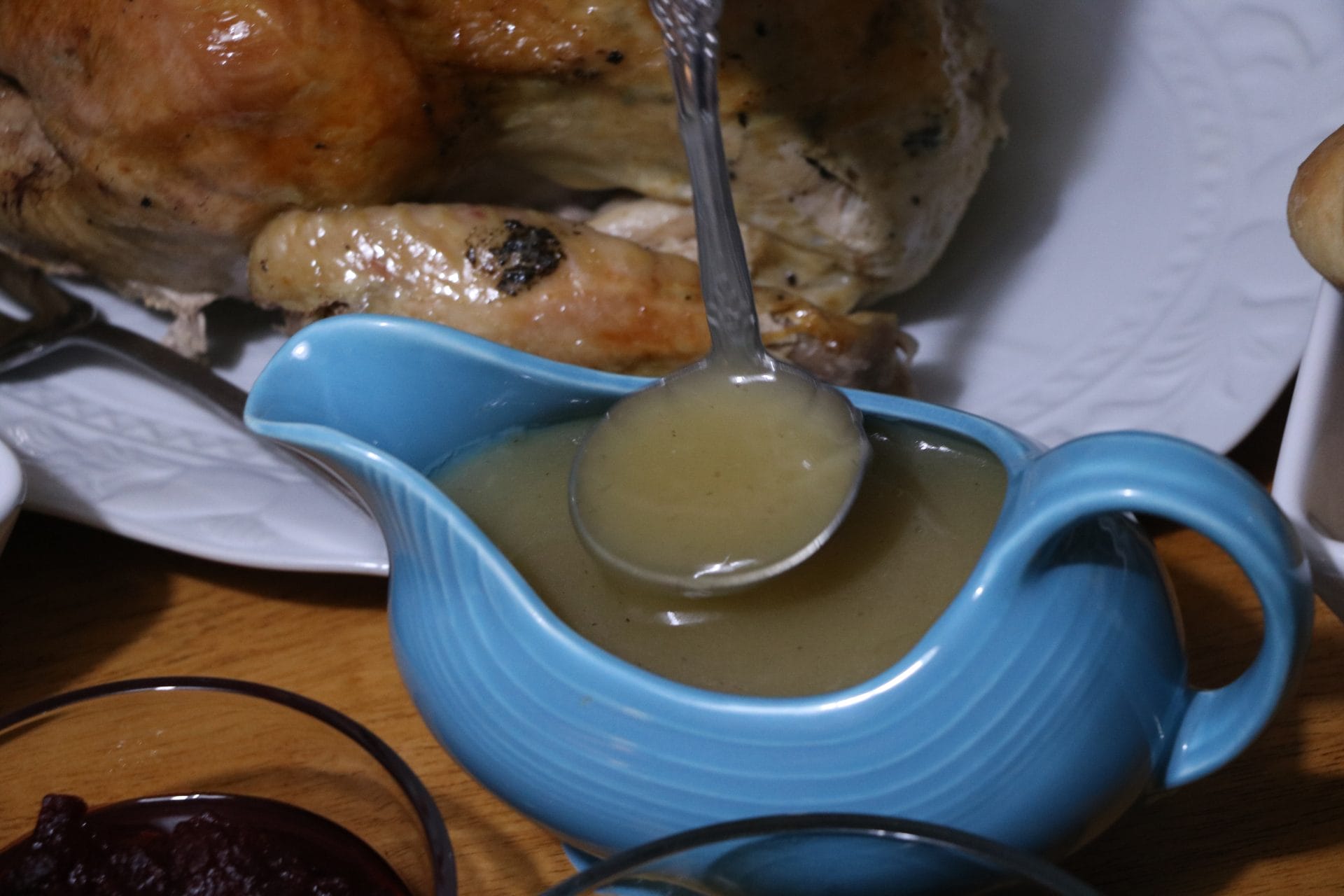
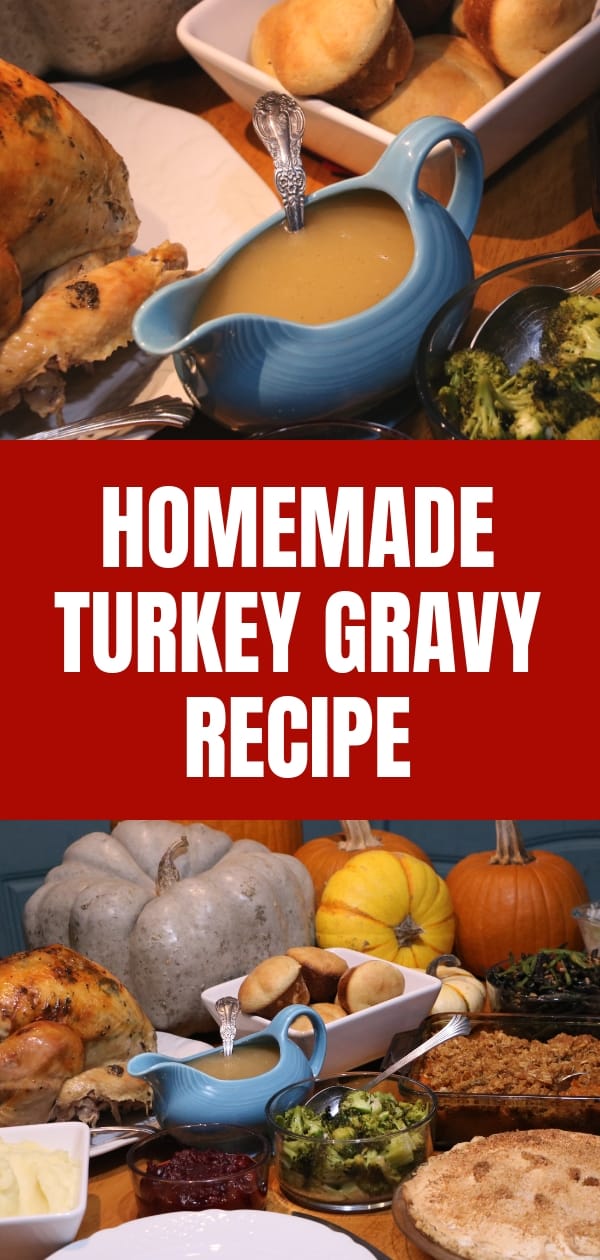
From as far back as I can remember, my Grandma served her homemade brown gravy in a turquoise gravy boat. When she passed away, I got to take it home and now I serve gravy from it on special occasions. I love it because it reminds me of her.
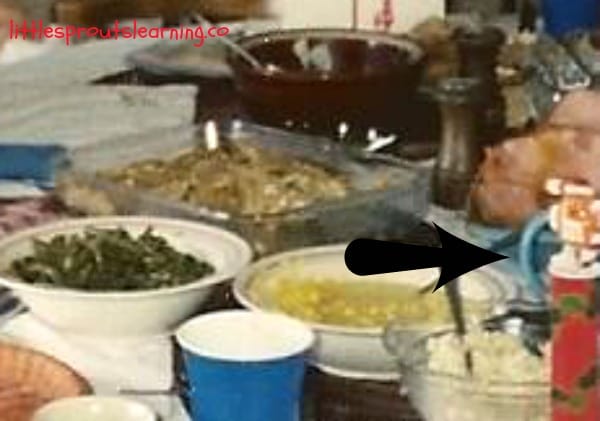
Mastering the art of gravy takes a little bit of finesse, but once you get it down, it’s super simple. There are a few key things to remember.
How to make brown gravy
- Stir, stir, stir! No one likes lumpy gravy!
- The longer you cook gravy, the better it tastes. Good things come to those who wait, so be patient with your gravy.
- Tasting is important to adjust your seasoning.
Now let’s focus on how to make brown gravy. First, you need the drippings from some meat you’ve cooked. Brown gravy can be made from chicken, beef, pork, whatever type of meat you’re roasting.
If you’ve cooked a turkey, lift it out and pour everything from the bottom of the pan into a bowl. Set a strainer over your saucepan and pour the drippings into your pan, straining out any bits as you pour. Let your juice sit for a while and settle. It might take 30 minutes or so for the fat to rise to the top.
Homemade turkey gravy
Take a spoon and skim the fat off the top of your liquid and discard it. You just need the juice for brown gravy. Too much fat will make it separate as it sits. (there will be some fat left, just the right amount)
Take a small amount of your liquid and put it in a separate bowl. Put your pan with the remaining liquid on medium heat and bring it to a boil. Make sure to watch it, sometimes it will try to boil over.
Add a few tablespoons of cornstarch to your bowl of liquid and whisk it thoroughly with a fork until you don’t see any clumps of cornstarch. Depending on how much total liquid you got from your turkey, you should need 2-4 tablespoons.
Your liquid should still be somewhat warm, if it’s cold, you need to heat it a little before you add the cornstarch so it will incorporate correctly.
Homemade brown gravy

Put your strainer back over your saucepan when the liquid is at a full rolling boil. Add your cornstarch, liquid mixture back into the boiling liquid straining out any small clumps that didn’t get broken up.

Boil gravy, whisking constantly until it thickens and has the desired consistency. Be sure to cool a spoon full of gravy and taste it to see if it needs additional seasoning. Typically with turkey gravy, the seasoning from the meat is perfect for the gravy and it doesn’t need any additions.

Giblets are the neck, heart, and kidneys of the turkey. If you want to use the turkey giblets to enhance your gravy, simply empty the turkey giblet bag (that’s inside the turkey, usually in the neck cavity nowadays) into a saucepan.
Fill the pan with water, an inch or two more than it takes to cover the giblets. Add some salt and pepper and even a little sage. Boil the giblets for about an hour to release all of the flavors into your water. Then use that juice to make your gravy with the method above.
You can either use both the liquid in the turkey pan and the giblet stock or use one or the other. Obviously to have a lot of yummy gravy, combine them. I like to use them both for a richer flavor.
You can take the neck and discard it (there may be a little meat to pick off if you’d like to), and cut the other giblets up into a tiny dice and return it to the gravy. If you like a really chunky gravy, add them all. If you like a less chunky gravy, just add part of them. It’s a matter of preference.
Some recipes also call for hard-boiled eggs in giblet gravy. If you’re used to the egg version, chop two hard-boiled eggs into a small dice along with your giblets and stir those in with them. You’re going to master grandma’s techniques in no time. And you’ll be serving up love just like her.
What special family traditions do you love?
Thanksgiving can be overwhelming with all the cooking and preparations, but I have this Thanksgiving checklist that can help you keep it straight. Simplify your holidays and enjoy them more.
Need recipes for some great side dishes?
- World Famous Green Bean Recipe
- Best Cabbage Recipe
- Aunt Pat’s Sweet Potato Casserole
- Fresh Cranberry Sauce
- Homemade Jalapeno Cranberry Sauce Recipe
- Delicious Homemade Rolls
- Monster Cookies
- Pumpkin Pie
There are tons more on the blog!
Brown Gravy Recipe From Scratch: What You Need to Know
Homemade brown gravy is made by thickening flavorful meat drippings with a cornstarch slurry. Turkey drippings already contain the seasonings and rich flavor released while the turkey cooks, so you only need a few ingredients to turn them into delicious gravy.
Before beginning, strain the drippings to remove any solids and allow the fat to rise to the top. Skim off most of the fat with a spoon. A small amount left behind will add flavor, but too much can cause the finished gravy to separate or feel greasy.
A cornstarch slurry is simply cornstarch mixed with a portion of the warm turkey drippings until completely smooth. Never add dry cornstarch directly to the saucepan because it will form stubborn lumps. Pouring the slurry through a fine-mesh strainer offers additional protection against lumpy gravy.
The exact amount of cornstarch you need can vary depending on the quantity of drippings and how thick you prefer your gravy. Begin with less—you can always add another small batch of slurry if necessary.
Tips for Brown Turkey Gravy
- Strain the turkey drippings before making the gravy to remove small pieces of meat, herbs, and other solids.
- Skim away most of the fat so the gravy stays smooth and does not separate.
- Mix the cornstarch thoroughly with warm—not boiling—liquid before adding it to the saucepan.
- Bring the drippings to a full boil before slowly pouring in the slurry.
- Whisk constantly as you add the slurry to prevent lumps.
- Add the slurry gradually because the gravy will continue to thicken as it cooks.
- Taste before adding salt. Turkey drippings are often already well seasoned.
- Remember that gravy thickens slightly as it cools, so remove it from the heat just before it reaches your ideal consistency.
- If the gravy becomes too thick, whisk in turkey or chicken broth a few tablespoons at a time.
- Keep the gravy warm over very low heat until it is time to serve, stirring occasionally.
Tips, Variations, and Substitutions
For richer flavor: Combine the turkey drippings with homemade turkey or chicken stock. You can also use the broth made by simmering the turkey neck and giblets.
For giblet gravy: Finely chop the cooked giblets and stir them into the finished gravy. Some traditional versions also include finely chopped hard-boiled eggs.
If you do not have enough drippings: Add turkey or chicken broth until you have the amount of liquid required for the recipe. Choose low-sodium broth so you can control the saltiness.
To make gravy without turkey drippings: Use chicken or turkey broth in place of the drippings. The gravy will be lighter in flavor, but it can still be delicious with a little poultry seasoning, sage, salt, and pepper.
To use flour instead of cornstarch: Make a roux by cooking equal amounts of butter and all-purpose flour for a few minutes before gradually whisking in the drippings. Flour-thickened gravy will not be gluten-free and may have a slightly less glossy appearance.
To keep it gluten-free: Cornstarch is naturally gluten-free, but check the labels on packaged broth and seasonings to make sure they do not contain gluten.
If the gravy is too thin: Let it simmer longer, or prepare another small slurry using cornstarch and warm liquid. Add it gradually while whisking.
If the gravy is too thick: Whisk in warm broth, turkey drippings, or water a little at a time until the desired consistency is reached.
If the gravy is lumpy: Pour it through a fine-mesh strainer, then return it to the saucepan and whisk until smooth.