
Month by Month Vegetable Garden Planting Guide
This page may contain affiliate links. Learn More.
Month by month vegetable garden planting guide for zone 7! Learn what to plant each month for a productive garden all season long. Great for a beginning gardener or a pro!
My Little Sprouts and I try our hardest to grow as much of our own food as possible. We like a wide variety of food, so we plant a wide variety of food. It’s hard to keep track of what to plant each month, so here is a guide to what you can grow when.
There are some crops that are easier to grow and are more nutrient-dense and calorie-dense which will save you the most money on your food budget as money gets tighter and tighter. Check out the essential crops to grow for a survival garden here.
Gardening in Oklahoma’s Zone 7 offers a long growing season and a wide variety of planting opportunities. With the right garden plan, home gardeners can enjoy fresh vegetables from late winter through late fall. Understanding planting dates, average frost dates, and Oklahoma’s USDA Zone 7 climate is a critical component of successful vegetable gardening.
The USDA Plant Hardiness Zone Map is a good starting point for determining when to sow seeds or transplant young plants. Zone 7 typically experiences a last spring frost around mid-April and the first fall frost in late October. However, planting calendars should always consider local weather conditions and microclimates, which can vary even by zip code.
Oklahoma garden planning guide
We live in Oklahoma in Zone 7a, so you may have to check the USDA planting zones and see where your planting zone may differ. Click to check it out. In most cases, you can use the same list for your garden planning, but adjust it a few weeks one way or the other to find your optimal planting times. Check out all the Oklahoma growing zones here.
If you are north, you will need to do things a few weeks later, and if you are south, you will need to do things a few weeks earlier. It’s a fairly simple adjustment to your garden planning.

If you want to read the full story of how we got started growing our own food at Little Sprouts and get all the basics to start yourself, check this out. The Journey of the Little Sprouts: A Guide for Growing a Better Tomorrow.
This month by month vegetable planting guide will help you keep track of each type of plant and each growing season in your Oklahoma garden. There’s a free printable link at the very end of the post.
What do you do after you plant your garden to have garden success?
We like to practice succession planting, or planting things every few weeks to spread out our harvest and have a continuous supply throughout the growing season. Our average last frost date is April 15, so if you find yours, you can adjust your planting times according to how many weeks away from ours it is.
This is average, so remember, anything can happen. We had a freeze in the middle of May one gardening year. You never know!
Monthly planting calendar
Planting indoors our directly in the ground
Corn and cucurbits, which include cucumbers, melons, and squashes prefer not to have their roots disturbed and don’t transplant well. Direct seed them in the ground when possible.
Cruciferous and nightshades don’t germinate in the ground as well. Start them in a controlled environment. They are finicky germinators. They like constant temperatures when they sprout.
And don’t forget about plant spacing in the vegetable garden. Plants need enough space to grow. Here are some plants that need to be started indoors:
Seeds that do well when direct seeded include:
And don’t forget about herbs! They are great for growing as well. You can grow:
Month by month planting guide

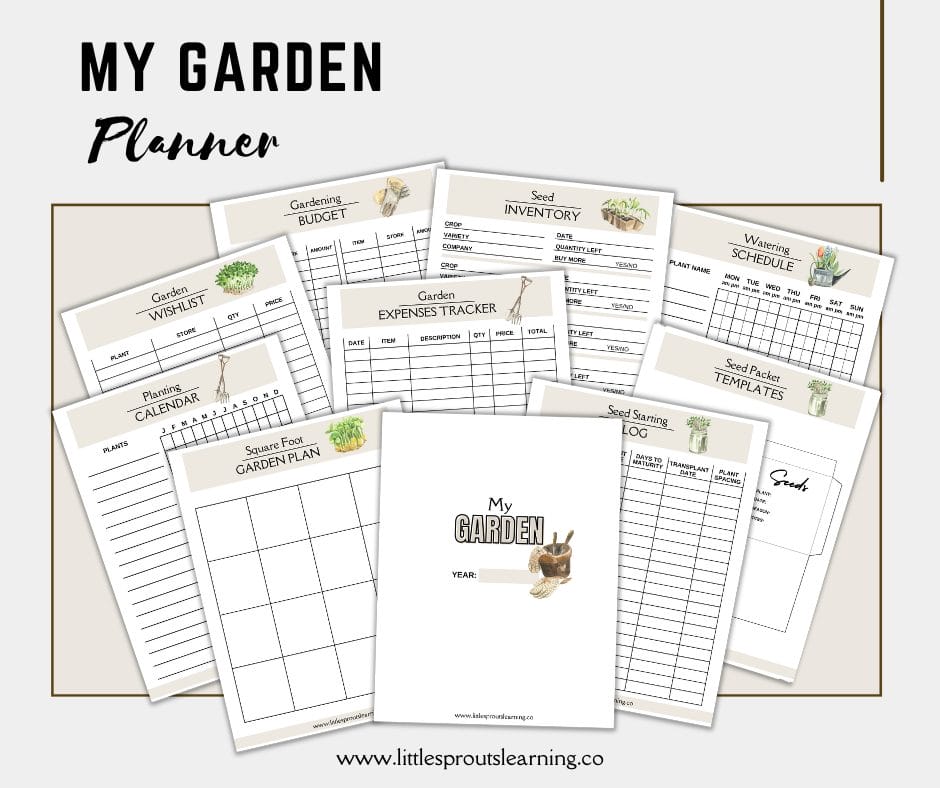
✔Here’s a link to a great vegetable garden planner you can print right out and use at home! So cute!
There are some plants that are replanted to grow a new crop, such as garlic and potatoes. You just take a head of homegrown garlic or garlic intended for planting and not eating, and break off each clove and plant it in the ground. A new head will grow from that clove.
Potatoes are cut into individual chunks and cured for two weeks and then planted in the ground. Sweet potatoes are sprouted in water and the “slips” or green parts that grow are planted directly into the ground. Onions do better when you plant a set or tiny onion plant than when you try to grow them from seed. That is our experience anyway, anything is possible.

Here in the deep summer, it’s too hot to plant anything. These months are filled with harvesting and struggling to keep your plants alive and keep them from drying out too fast. You may be able to plant some things during this time, but not usually. Let your instincts guide you in the garden.
Check out this printable garden journal for kids from Mama on the Homestead. So cute!

Zone 7 planting schedule
This is the zone 7 planting schedule we use at Little Sprouts. For a free printable copy, scroll to the end and click on the link.
Although it’s cold and not ideal for outdoor planting, January is the perfect time to plan your garden. Order seeds, clean and repair garden tools, and start preparing beds by adding compost or mulch.
Indoor Planting:
- Start onions and leeks from seed indoors
- Begin celery and herbs like parsley and oregano
Garden Tasks:
- Test soil pH and nutrient levels
- Sketch your garden layout and crop rotation plan
February:
- Cabbage-Plant
- Carrots-Seed
- Cauliflower-Plant
- Fava Beans-Seed
- Swiss Chard-Seed
- Kohlrabi-Seed
- Lettuce-Seed or Plant
- Onion-Sets or Plant
- Peas-Seed
- Potato-Tuber pieces
- Spinach-Seed
- Kale-Seed
Garden Tasks:
- Build raised beds
- Direct sow cover crops in unused areas
March:
- Cabbage-Plant
- Carrots-Seed
- Cauliflower-Plant
- Swiss Chard-Seed
- Kohlrabi-Seed
- Lettuce-Seed or Plant
- Onion-Set or Plant
- Peas-Seed
- Potato-Tuber Pieces
- Radish-Seed
- Spinach-Seed
- Broccoli-Plant
- Kale-Seed
- Herbs-Plants
Garden Tasks:
- Mulch to suppress weeds and protect soil moisture
- Keep row covers handy for surprise cold snaps
April:
- Radish-Seed
- Green Beans-Seed
- Pinto Beans-Seed
- Cucumber-Seed or Plant
- Pumpkin-Seed
- Summer Squash-Seed or Plant
- Corn-Seed
- Honeydew Melon-Seed
- Cantaloupe-Seed
- Herbs-Plants
- Flowers-Seed or Plants
Garden Tasks:
- Harden off transplants before planting
- Water regularly as temperatures begin to rise
May:
- Melons-Seed
- Cucumber-Seed or Plant
- Green Beans-Seed
- Pinto Beans-Seed
- Okra-Seed
- Pepper-Plant
- Tomato-Plant
- Pumpkin-Seed
- Summer Squash-Seed
- Winter Squash-Seed
- Sweet Potato-Plant (Slips)
- Tomatillos-Plant
Succession Planting:
- More lettuce, carrots, radishes for extended harvests
Garden Tasks:
- Stake tomatoes and trellis cucumbers or beans
- Apply mulch to conserve water and reduce weeds
Vegetable planting guide zone 7
June:
- Cucumber-Seed
- Green Beans-Seed
- Pinto Beans-Seed
- Okra-Seed
- Pepper-Plant
- Tomato-Plant
- Summer Squash-Seed
- Winter Squash-Seed
- Sweet Potato-Plant (slips)
- Tomatillo-Plant
Garden Tasks:
- Watch for aphids, squash bugs, and hornworms
- Start preparing a spot for fall crops by mid-to-late June
September:
- Cabbage-Plant
- Carrots-Seed
- Cauliflower-Plant
- Swiss Chard-Seed
- Kohlrabi-Seed
- Lettuce-Seed or Plant
- Onion-Set or Plant
- Peas-Seed
- Potato-Tuber Pieces
- Radish-Seed
- Spinach-Seed
- Broccoli-Plant
- Kale-Seed
Garden Tasks:
- Remove dead summer plants
- Add compost to improve fall garden beds
October:
- Cabbage-Plant
- Carrots-Seed
- Cauliflower-Plant
- Swiss Chard-Seed
- Kohlrabi-Seed
- Lettuce-Seed or Plant
- Onion-Set or Plant
- Peas-Seed
- Potato-Tuber Pieces
- Radish-Seed
- Spinach-Seed
- Broccoli-Plant
- Kale-Seed
- Garlic-Clove
Garden Tasks:
- Harvest mature fall crops
- Begin putting beds to rest for winter
Gardening month by month
What to do in the garden in
Vegetable Gardening in the Winter in Oklahoma
Oklahoma planting chart
Oklahoma’s climate gives gardeners a chance to grow vegetables in both spring/early summer and again in late summer/fall. Many cool-season crops do best in early spring and again in fall. Heat-loving crops like okra, melons, and sweet potatoes thrive in the hot summer months.
Zone 7 includes a wide range of last and first frost dates. In eastern Oklahoma, the last frost is often in mid-April and the first in late October. But sudden cold snaps or heat waves can happen. Keep row covers, shade cloth, and mulch on hand for weather extremes.
Oklahoma summers can be dry and scorching. Most vegetables need 1–1.5 inches of water per week. Water deeply and less frequently to encourage strong root systems, and mulch to retain moisture.
Grow vegetables your family enjoys. Focus on staple crops like tomatoes, peppers, cucumbers, and leafy greens. Mix in fun items like heirloom varieties or unusual crops to keep things exciting.
Extend the Season
Use row covers, cold frames, or low tunnels to keep cool-season crops alive longer into the fall and get an early start in spring. This can stretch your harvest window by several weeks.
What are you planning to plant in the garden? I hope this vegetable garden planting guide helps you work it out. If you want to check out how to plan your garden, click here. Happy planting!
Free printable month by month garden planting guide
Month by month garden planting guide free printable
- Always refer to the USDA plant hardiness zones and planting calendars based on your zip code.
- Use seed packet information for details on sowing seeds, soil temperature, and maturity.
- Consider your family size when planning—plant only what you can reasonably eat or preserve.
- Use row covers or cold frames to extend growing seasons.
- Compost, mulch, and water consistently for soil health.
- Start transplants indoors in peat pots or trays to give your plants a head start.
With the right timing, resources, and care, home gardeners in Zone 7 can enjoy a productive and rewarding gardening year, from late February all the way to late fall. Whether you’re growing your own vegetables to reduce grocery bills or just enjoy the hobby, Oklahoma is a fantastic place to grow a wide range of crops nearly year-round.
Best Vegetables to Grow in Zone 7 for Beginners
If you’re new to gardening in Zone 7, don’t feel like you have to grow everything at once. Start with a few easy crops that grow well in Oklahoma’s climate and give you a big harvest without a lot of stress. A successful first garden builds confidence and helps you learn what grows best in your space.
Zone 7 gardeners are lucky to have a long growing season, which means you can grow cool-season crops in spring and fall and warm-season crops through summer. Here are some of the easiest and most rewarding vegetables to grow for beginners.
Tomatoes
Tomatoes are one of the most popular garden vegetables for a reason. Homegrown tomatoes taste so much better than store-bought ones, and they produce heavily through summer.
Cherry tomatoes are especially beginner-friendly because they grow quickly and produce tons of fruit. Tomatoes need full sun, regular watering, and support from cages or stakes.
Best beginner varieties:
- Cherry tomatoes
- Roma tomatoes
- Celebrity tomatoes
Green Beans
Green beans are one of the easiest vegetables to grow from seed. They sprout quickly and grow fast, which makes them exciting for kids and new gardeners alike.
Bush beans stay compact, while pole beans climb and need a trellis. Both grow well in Zone 7 gardens.
Why beginners love them:
- Fast growing
- Easy to direct seed
- Heavy harvests
- Great for freezing
Lettuce
Lettuce grows quickly and is perfect for spring and fall gardens in Oklahoma. You can harvest leaves a little at a time and keep the plants producing for weeks.
Lettuce struggles in extreme summer heat, so plant it early and again in late summer for a fall crop.
Easy types to grow:
- Leaf lettuce
- Romaine
- Buttercrunch
Radishes
Radishes are one of the fastest-growing vegetables you can plant. Some varieties are ready in as little as 25 days.
They’re a great confidence booster for beginner gardeners because they germinate quickly and don’t need much care.
Tips for success:
- Plant in cool weather
- Keep soil moist
- Harvest before they become woody
Cucumbers
Cucumbers thrive in Zone 7’s warm weather and produce heavily during summer. They love sunshine, water, and warm soil.
Growing them vertically on a trellis saves space and helps prevent disease.
Best beginner types:
- Straight Eight
- Marketmore
- Pickling cucumbers
Zucchini and Summer Squash
If you want a vegetable that produces a lot of food, zucchini is a great choice. Just a couple of plants can feed a family all summer long.
These plants grow quickly and are very forgiving for beginners.
Helpful tip:
Check plants daily once they begin producing because squash can grow huge overnight.
Okra
Okra loves Oklahoma heat and keeps producing when many other vegetables slow down in summer.
It’s drought tolerant, easy to grow from seed, and beautiful in the garden too.
Why it works well in Zone 7:
- Thrives in heat
- Low maintenance
- Productive through summer
Peppers
Peppers grow very well in Zone 7 gardens, especially with plenty of sunshine and warm temperatures.
Bell peppers may take longer to mature, but smaller peppers often produce quickly and heavily.
Good beginner choices:
- Banana peppers
- Jalapeños
- Bell peppers
Herbs for Beginner Gardeners
Herbs are some of the easiest plants to grow and are perfect tucked into flower beds, containers, or vegetable gardens.
Easy herbs for Zone 7:
- Basil
- Oregano
- Sage
- Thyme
- Mint
- Parsley
Fresh herbs save money and make meals taste amazing.
Start Small and Grow From There
One of the biggest mistakes beginner gardeners make is planting too much at once. It’s better to grow a few things well than get overwhelmed trying to manage a huge garden.
Start with vegetables your family already enjoys eating. As you gain confidence, you can expand your garden each season.
Gardening in Zone 7 gives you so many opportunities to grow fresh food almost year-round. Even a small garden can produce an amazing harvest with a little planning and care.
Zone 7 Garden Mistakes to Avoid
Gardening in Zone 7 gives you a long growing season and plenty of opportunities to grow fresh food, but there are still a few common mistakes that can make gardening harder than it needs to be. The good news is that most gardening mistakes are easy to fix once you know what to watch for.
If you’re a beginner gardener, don’t worry. Every gardener learns through trial and error. Even experienced gardeners lose plants sometimes. Here are some of the most common Zone 7 gardening mistakes to avoid so you can have a healthier, more productive garden.
Planting Too Early
One of the biggest mistakes gardeners make in Oklahoma is planting warm-weather crops too soon. Just because you have a few warm days in March or early April doesn’t mean frost season is over.
Tomatoes, peppers, cucumbers, squash, and basil are very sensitive to cold temperatures. A surprise late frost can kill young plants overnight.
In Zone 7, it’s usually safest to plant warm-season vegetables after your average last frost date around mid-April.
Helpful tip:
Keep row covers, sheets, or frost blankets nearby just in case temperatures suddenly drop.
Forgetting to Harden Off Seedlings
Plants started indoors need time to adjust before living outside full-time. Moving them directly from inside your house to full sun and wind can shock or kill them.
Hardening off means gradually introducing seedlings to outdoor conditions over 7–10 days.
Start by placing plants outside in shade for a few hours each day, slowly increasing sun exposure and time outdoors.
Planting Too Much
It’s exciting to plant a garden, especially in spring, but many beginners grow far more than they can manage.
A few zucchini plants can produce enough squash for an entire neighborhood. Tomato plants can quickly take over if you don’t plan space carefully.
Start smaller than you think you need. You can always expand your garden next year.
Crowding Plants Too Close Together
Tiny seedlings don’t look like they need much room, but mature plants can become huge. Crowded plants compete for sunlight, water, and nutrients, and poor airflow increases disease problems.
Always follow seed packet spacing recommendations, even when it feels like too much empty space at first.
Proper spacing helps:
- Reduce disease
- Improve airflow
- Increase harvests
- Make harvesting easier
Watering Too Often and Too Shallow
Many gardeners sprinkle plants lightly every day, but shallow watering creates weak roots.
Vegetables grow best with deep watering a few times a week instead of tiny daily waterings. Deep watering encourages roots to grow farther into the soil where moisture lasts longer.
Mulch also helps keep soil moist during Oklahoma’s hot summers.
Ignoring Mulch
Mulch is one of the best things you can add to a vegetable garden in Zone 7.
Without mulch, Oklahoma heat can dry out soil very quickly. Mulch helps:
- Hold moisture
- Keep roots cooler
- Reduce weeds
- Prevent soil erosion
- Improve soil over time
Straw, shredded leaves, grass clippings, or untreated wood mulch all work well around vegetables.
Not Preparing the Soil
Healthy soil is the foundation of a productive garden. Poor soil leads to weak plants, small harvests, and more pest problems.
Before planting, mix compost or organic matter into your garden beds. Good soil drains well while still holding moisture and nutrients.
Healthy soil grows healthy plants.
Planting in Too Much Shade
Most vegetables need at least 6–8 hours of direct sunlight every day.
Tomatoes, peppers, cucumbers, squash, beans, and melons especially need full sun to produce well.
If your garden gets limited sunlight, focus on crops that tolerate partial shade like:
- Lettuce
- Spinach
- Kale
- Herbs
Waiting Too Long to Harvest
Many vegetables taste best when picked young and regularly. Oversized zucchini, cucumbers, okra, and beans become tough and stop producing as heavily.
Frequent harvesting encourages plants to keep making more food.
During peak season, check your garden daily if possible.
Giving Up After One Bad Season
Every gardener has failures. Weather changes, insects show up, plants struggle, and sometimes things simply don’t work out.
Gardening is learned through experience. Each season teaches something new.
Don’t let one rough year stop you from growing your own food. Zone 7 offers a wonderful climate for gardening, and every season gives you another chance to learn and improve.
How Much Should You Plant for Your Family?
One of the hardest parts of planning a vegetable garden is figuring out how much food your family actually needs. Most beginner gardeners either plant far too little and wish they had more, or plant so much they end up overwhelmed with produce in the middle of summer.
The best garden is one that fits your family’s eating habits, storage space, and time available for preserving food. Start simple and grow more each year as you learn what your family truly enjoys eating.
Start With What Your Family Already Eats
Before planting anything, think about the vegetables your family uses most often. There’s no sense growing huge amounts of eggplant if nobody in your house likes to eat it.
Ask yourself:
- What vegetables do we buy every week?
- What vegetables do my kids actually eat?
- What foods are expensive at the grocery store?
- What do I enjoy cooking with most?
Focus on those crops first.
Easy Garden Planning for a Family
Here’s a simple beginner guide for how much to plant per person for fresh eating during the season:
Tomatoes
- 2–3 plants per person
- Add more if you want to can salsa, sauce, or diced tomatoes
Cucumbers
- 2–3 plants for slicing
- 4–6 plants if making pickles
Green Beans
- 10–15 feet of row per person
- Plant succession crops every few weeks for longer harvests
Lettuce
- Sow short rows every 2–3 weeks
- Small amounts planted often work better than one huge planting
Zucchini or Summer Squash
- 1–2 plants for a family
- They produce heavily
Peppers
- 2–3 plants per person
- Bell peppers usually produce less than smaller pepper varieties
Potatoes
- 10 pounds of seed potatoes can produce a surprisingly large harvest
- Great staple crop for larger families
Herbs
A few plants usually go a long way. Basil, oregano, sage, parsley, and thyme can produce all season long.
Don’t Forget Preservation Goals
If you want to freeze, can, or store food for winter, you’ll need to plant more than you would for fresh eating alone.
For example:
- A couple tomato plants feed a family fresh tomatoes
- But canning salsa or pasta sauce may require 10–20 plants
Think about whether you want to:
- Freeze vegetables
- Can tomatoes or pickles
- Store potatoes, onions, or garlic
- Dry herbs
Your preservation goals change how much space you need.
Start Small Your First Year
One of the biggest gardening mistakes is planting a huge garden before understanding how much work it takes to maintain.
A small successful garden is far better than a giant overwhelming one.
Your first year, focus on:
- A few tomato plants
- A row of beans
- Lettuce
- Cucumbers
- Herbs
- Maybe one zucchini plant
You can always expand later.
Plan for Oklahoma Heat
In Zone 7, spring gardens often grow beautifully, but summer heat can become intense quickly. Some crops slow down or stop producing during the hottest part of summer.
That’s why succession planting helps so much. Replanting smaller amounts every few weeks keeps food coming longer instead of everything ripening at once.
Leave Room for Flowers and Pollinators
A productive garden isn’t just vegetables. Flowers attract bees, butterflies, and beneficial insects that help pollinate your crops and reduce pest problems.
Good companion flowers include:
- Marigolds
- Zinnias
- Nasturtiums
- Sunflowers
- Cosmos
A little space for flowers can greatly improve your harvest.
Keep Notes Each Season
The best way to learn how much to plant is by keeping a simple garden journal.
Write down:
- What grew well
- What your family loved
- What produced too much
- What wasn’t enough
- Planting dates and harvest times
Each year your garden plan will get better and easier.
Gardening is a learning process, and every family’s needs are different. Start with realistic goals, grow foods your family enjoys, and remember that even a small garden can produce an amazing amount of fresh food.


I’m in zone 6 Colorado so what can I plant now
You could start seeds indoors for most everything like tomatoes, cucumbers, peppers, broccoli, cauliflower, etc. If you wanted to plant outside now you might be able to do onions and can do white potatoes if your ground is workable. Thanks for reading the blog!
Thank you so much for the planting guide. I’ve been needing something like that. Simple and so easy to see what I need. And bonus points it’s from Oklahoma (Go Pokes!)
I’m so glad it was helpful for you. Thank you for checking it out! (And yes, go Pokes!)
What a wonderful article; helping the next generation to know how to garden to watch things grow and food for them. The Vitamin D and good exercise also helps the kids too!
I had a daycare in my home for several years and found that the little ones want to do everything you do; from dusting to baking and everything outside.
Love your article and great tips!
Thank you so much!
I live in the Maryland area, do you have recommendation for the best soil to use.
Check out if your soil is clay, sandy, or organic matter and amend it. If it’s mostly clay, add compost and sand or peat, if it’s mostly sand, add compost, if it’s organic matter, plant directly. If you are doing raised beds, I like to build soil like this article shares. Dirty Secrets of Garden Soil.
I love to plant veggies
Me too. Thanks for checking out the article.
Christina,
What a lovely page you have. How wonderful that you are teaching this to the children in your care. My babies are in college now, but I would have loved it if they had an opportunity to garden at childcare. I live in northern California (zone 9b) and work at a large agriculture university where I have access to a lot of master gardeners, but I would rather ask you a garden question. I’m a big tomato, cucumber, and squash gardener. This will be my first year ever to do green beans. From what I have read, it says to plant seed directly into the garden bed and not start seeds indoors. Do you have any tips or thoughts on that? Thank you. Gina
Hi Gina, thanks so much for your comments and for reading the post. Yes, i would totally direct sow green bean seeds in the ground. That’s what we do and I have read that they don’t like to be transplanted once they sprout so they like that best. They have a fairly short growing season, so there’s no need to rush getting them planted inside anyway. Thanks for your question. Have a great day!
Great post! The planting guide is very helpful and my sister will be very glad to have it for planning her garden. My daughters will be very interested of your post too. The love to help me in the garden. Happy gardening!
Happy gardening to you too and thanks so much! 🙂
I didn’t realize we are neighbors, of sort, both living in Oklahoma!
I love gardening, probably because my Dad enjoyed it so much.
This will be my first Spring in our house (we recently moved here
from Louisiana) so will probably just plant a few container things.
But I’ll enjoy seeing your garden. BTW, your little Sprouts are
adorable!
Thank you! I’m glad you love to grow things, it’s so beneficial in so many ways. Thanks for checking out the article. 🙂 Come back and see us!
Great tips.
Thank you!