
How To Keep Bugs Off Your Garden Naturally
This page may contain affiliate links. Learn More.
Keep pests away the natural way! Learn how to keep bugs off your garden naturally with safe, effective methods that protect plants without harmful chemicals. Even for beginning gardeners.

If you’ve ever walked out to your garden excited to check on your plants—only to find holes in the leaves or bugs everywhere—you know how frustrating it can be. The good news is, you don’t need harsh chemicals to protect your garden. There are simple, natural ways to keep bugs under control while still growing healthy, thriving plants.
The goal isn’t to eliminate every single bug (that’s actually not realistic or even helpful). The goal is to create a balanced garden where pests don’t take over. What do you do after you plant your garden to have garden success?
Why Natural Pest Control Works
A healthy garden is full of life—not just plants, but beneficial insects too. When you avoid chemical sprays, you allow helpful bugs like ladybugs and pollinators to do their job.
Natural pest control focuses on prevention, balance, and simple solutions that work with nature instead of against it. Over time, this creates a stronger, more resilient garden.
✔Here’s a link to a great vegetable garden planner you can print right out and use at home! So cute!
Start with Healthy Plants
Strong plants are much better at resisting pests than weak ones.
Make sure your plants are getting enough sunlight, proper spacing, and the right amount of water. Overcrowded or stressed plants are much more likely to attract bugs.
Good soil also makes a big difference. Healthy soil leads to stronger plants, and stronger plants are less appealing to pests.
Use Companion Planting
Some plants naturally help repel pests, and planting them together can protect your garden.
Marigolds are a classic example. They can help deter certain insects and are easy to grow around vegetables.
Herbs like basil, mint, and oregano can also help keep bugs away while giving you something useful to harvest.
Mixing different plants together instead of planting everything in one big row can reduce pest problems.

Hand-Pick When You Can
It’s not glamorous, but it works.
If you see larger pests like caterpillars or beetles, simply remove them by hand. Doing this regularly can prevent a small problem from becoming a big one.
Keep a small bucket of soapy water nearby and drop the bugs in as you go. My kids have always loved doing this. (Some of them of course)
Try a Simple Soap Spray
A basic soap spray is one of the easiest and most effective natural pest solutions.
Mix a few drops of dish soap with water in a spray bottle and lightly spray affected plants. This works well for soft-bodied insects like aphids.
Be sure to spray in the early morning or evening to avoid damaging plants in the heat of the day. It will also help you avoid more pollinators like bees.
You can also use Diatomaceous Earth to head off infestations.

Neem Oil for Tougher Problems
If pests are getting out of control, neem oil is a natural option that works well without harming your garden long-term.
It helps disrupt the life cycle of many insects and can reduce infestations over time.
Use it as directed and apply it in the evening to avoid affecting beneficial insects like bees.
Encourage Beneficial Insects
Not all bugs are bad. In fact, some are your best helpers.
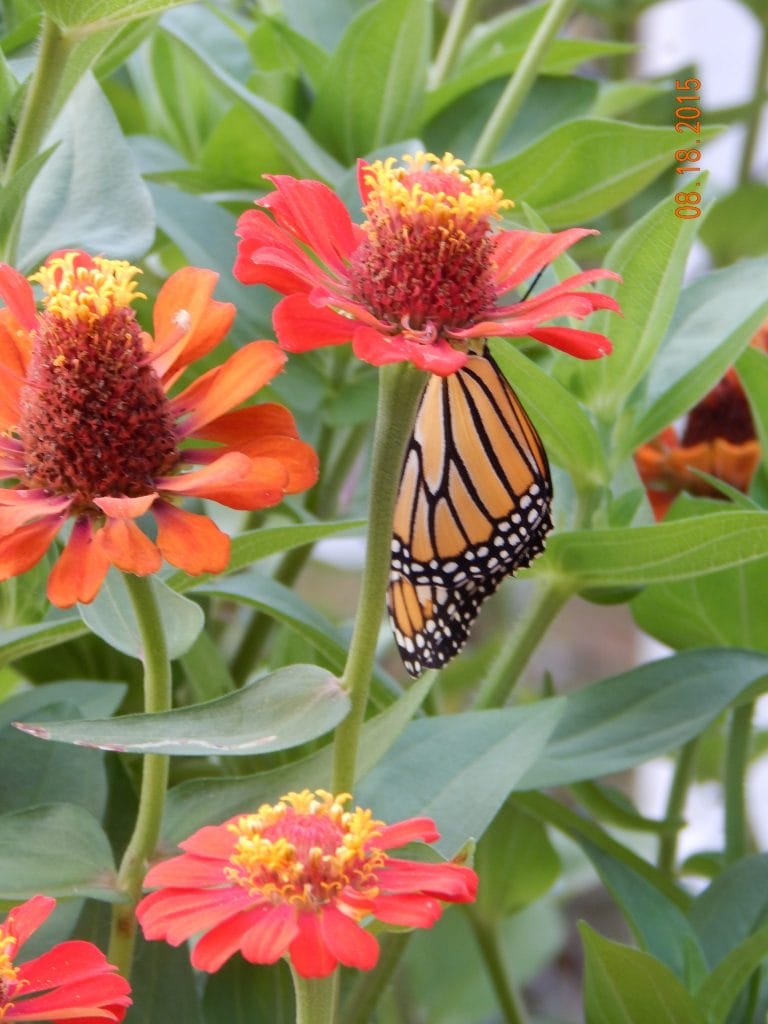
Ladybugs, lacewings, and certain wasps feed on harmful pests like aphids. Creating a garden that attracts these beneficial insects can make a huge difference.
Plant flowers like dill, yarrow, and cosmos to bring them in naturally.
Use Row Covers When Needed
If you’re dealing with persistent pests, lightweight row covers can physically protect your plants.
These covers allow sunlight and water through but keep insects off your crops. They’re especially helpful for young plants that are more vulnerable.
Just remember to remove them when plants need pollination.
Keep Your Garden Clean
Pests love hiding in debris and overgrown areas.
Remove dead leaves, weeds, and old plants regularly. Keeping your garden tidy reduces places for bugs to live and multiply.
At the end of the season, clean up thoroughly to prevent pests from overwintering in your garden.
Rotate Your Crops
If you plant the same thing in the same spot every year, pests that target those plants will keep coming back.
Rotating your crops helps break that cycle and reduces long-term pest problems.
Even small changes in where you plant things can make a difference.
Real-Life Tip: Don’t Panic
Seeing bugs in your garden doesn’t mean you’ve failed. It’s completely normal.
The key is to stay consistent with simple practices like checking your plants, keeping them healthy, and using natural solutions when needed.
A few holes in leaves are part of gardening. You’re growing real food in a real environment—not a perfect one.
Keeping bugs off your garden naturally is all about balance, not perfection. With healthy plants, a few simple tools, and a little regular attention, you can manage pests without chemicals.
For more natural garden ideas, check out how to control weeds without herbicides here.
Start small, stay consistent, and remember—your garden doesn’t have to be bug-free to be successful. In fact, you want and need bugs in the garden! Some of them are your best garden helpers.