Companion Plants for Cabbage
This page may contain affiliate links. Learn More.
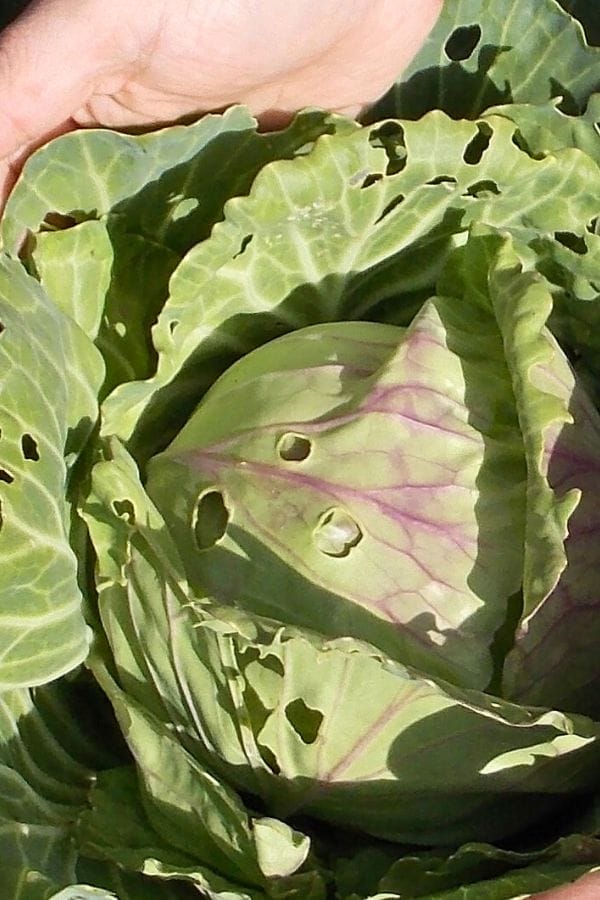
While it’s a hardy and rewarding vegetable to grow, cabbage can also attract its fair share of pests, including cabbage worms, aphids, and flea beetles. That’s where companion plants for cabbage come in. By growing certain plants near your cabbage, you can deter pests, improve soil health, and even boost cabbage yields, without chemicals.
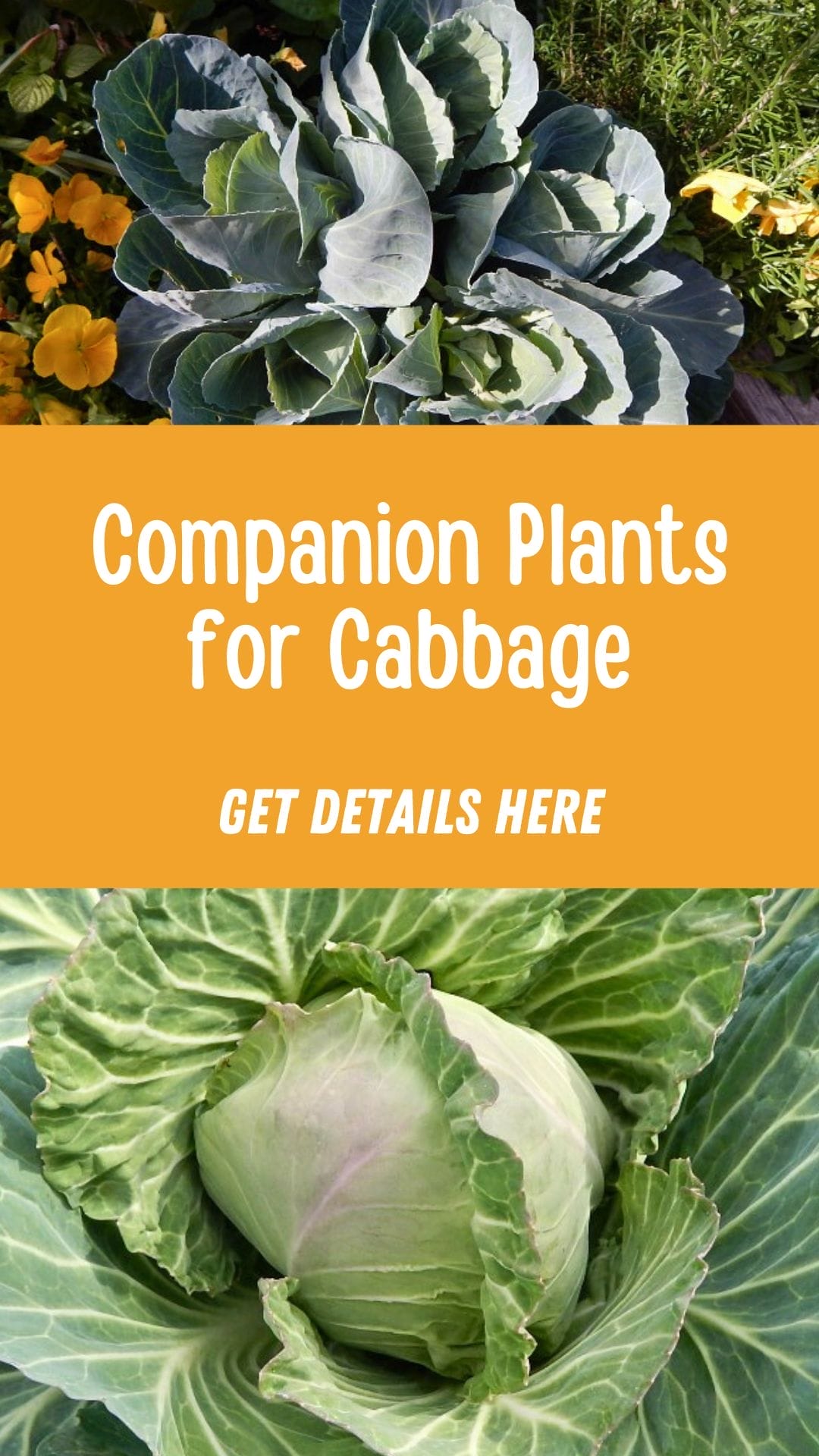
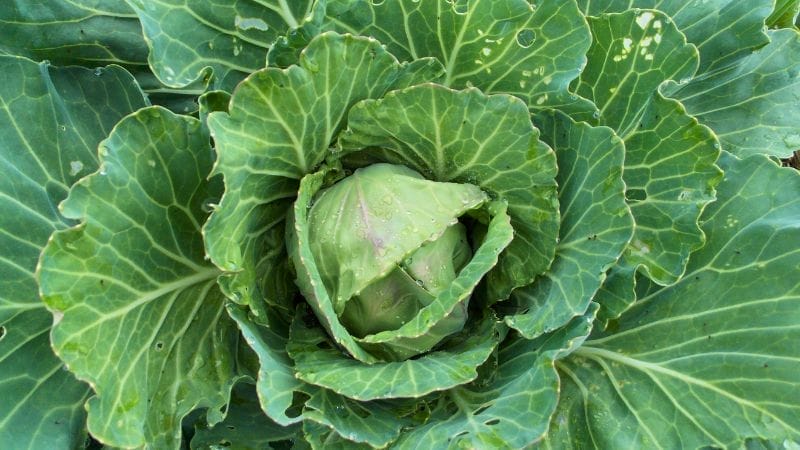
Cabbage is a cool-season crop that’s part of the brassica family, which includes broccoli, cauliflower, and kale. Whether you’re gardening in raised beds, rows, or containers, these companion plants for cabbage can make a big difference.
For more ideas about when to plant what, check out this Month by Month Vegetable Garden Planting Guide
Herbs That Help Cabbage Thrive
Herbs are some of the best companions for cabbage. They not only repel pests but often attract beneficial insects as well.
Dill is a great companion for cabbage because it attracts parasitic wasps and other beneficial insects that feed on cabbage pests. Dill also improves cabbage growth when planted nearby but should be kept away from carrots.
Chamomile enhances the flavor of cabbage and attracts pollinators and beneficial wasps. It has shallow roots and won’t compete for space or nutrients.
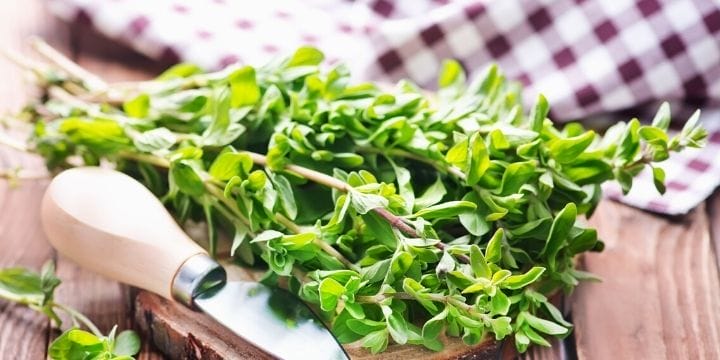
Thyme is especially helpful in repelling cabbage worms. Its strong scent confuses pests and creates a protective barrier around your cabbage plants.
Sage is another herb that repels cabbage moths, which lay eggs that hatch into destructive caterpillars. Plant sage along the borders of your cabbage beds for best results.
Mint also repels cabbage moths, but it can become invasive, so it’s best planted in containers near your cabbage rather than directly in the ground.
✔Here’s a link to a great vegetable garden planner you can print right out and use at home! So cute!
Flowers That Protect and Attract
Planting certain flowers alongside your cabbage can enhance your garden’s beauty while also providing powerful pest control and pollinator attraction.
Marigolds are a well-known companion plant that repels a variety of pests, including aphids, whiteflies, and nematodes. Their bright flowers also attract pollinators and beneficial insects that help keep pest populations down.
Nasturtiums are a trap crop that draws aphids and cabbage worms away from your cabbage. They also repel whiteflies and can be grown along the edge of your garden bed or allowed to trail from containers.
Calendula attracts pollinators and beneficial insects while offering mild pest protection. It’s a cheerful flower that pairs well with cabbage in both function and form.
Alyssum has tiny flowers that attract predatory wasps and hoverflies—natural enemies of aphids and cabbage worms. It makes a lovely low-growing border around cabbage beds.
Vegetables That Pair Well with Cabbage
Some vegetables are great companions for cabbage because they don’t compete for the same nutrients or root space and may offer pest protection or complementary growth habits.
Onions and other alliums like garlic, leeks, and chives are excellent companions for cabbage. Their strong smell deters many common cabbage pests, including cabbage loopers and aphids. These crops grow well alongside cabbage without crowding it.
Beets grow well with cabbage because they have different nutrient needs and root zones. They help break up the soil and don’t compete heavily with cabbage for space or resources.
Spinach is a good companion plant that can be tucked in around cabbage. It matures quickly and helps shade the soil to retain moisture while using minimal resources.
Celery helps repel the white cabbage moth and benefits from the shade that cabbage can provide once it grows large. It also doesn’t compete heavily for root space.
Lettuce is a low-growing plant that can be grown between cabbage heads to help suppress weeds and shade the soil. Its shallow roots mean it won’t interfere with cabbage development.
Radishes mature quickly and can act as a trap crop for flea beetles, keeping them off your cabbage. They also break up compacted soil to improve airflow and drainage.
What Not to Plant Near Cabbage
Just as some plants help cabbage thrive, others should be kept away to avoid problems with growth or pest attraction.
Tomatoes are heavy feeders that compete with cabbage for nutrients and may stunt cabbage growth.
Strawberries can attract slugs and pests that are harmful to cabbage and should be grown at a distance.
Pole beans and other climbing legumes may interfere with cabbage’s sunlight and can also increase humidity, creating conditions that favor mildew or mold.
Grapes and cabbage are incompatible because they both attract some of the same fungal diseases and pests.
Peppers also compete for the same nutrients as cabbage and may reduce cabbage growth and yield if planted nearby.
Creating a Companion Planting Layout for Cabbage
When planning your garden, consider spacing and sunlight as well as companion benefits. Cabbage plants need full sun and room to spread their large leaves. Use herbs and flowers around the edges of your beds, low-growing crops like lettuce and spinach between cabbage heads, and taller deterrents like onions and leeks at the back or in surrounding rows.
Rotate your crops each year to avoid depleting the soil of nutrients and to disrupt pest life cycles. Since cabbage is a heavy feeder, consider following it in rotation with legumes, which fix nitrogen in the soil.
Why Companion Planting Matters for Organic Gardening
Companion planting supports healthy soil, diverse ecosystems, and natural pest control. In an organic garden, where synthetic pesticides are avoided, building relationships between plants can make all the difference. Cabbage, like many brassicas, can attract a wide range of pests, but the right companions help create a protective, balanced environment.
This natural method also encourages observation and planning. Watching which plants grow well together and adjusting each season makes you a more connected and intuitive gardener.
Companion planting is an easy and effective way to grow healthier cabbage without relying on sprays or expensive products. From aromatic herbs to bright flowers and leafy greens, many plants support your cabbage by deterring pests, improving soil conditions, and encouraging natural balance.
With the right combinations, your cabbage patch will not only thrive but also become a beautiful, productive, and sustainable part of your garden. Whether you’re growing a few heads in a raised bed or a full fall crop, consider adding some of these companions to see the benefits for yourself.