
11 Superfoods You Can Easily Grow at Home
This page may contain affiliate links. Learn More.
Want healthier food straight from your garden? Discover superfoods you can easily grow at home, including blueberries, kale, garlic, spinach, and more.

Growing your own food is one of the healthiest and most rewarding things you can do. Some fruits and vegetables are especially powerful because they are packed with vitamins, antioxidants, fiber, and other nutrients your body needs to thrive. These superfoods you can grow at home are beginner-friendly, budget-friendly, and perfect for adding more nutrition to your family’s diet.
What makes a food, a superfood?
Superfoods are foods that offer a large number of beneficial components to your diet in every bite. By filling your diet with superfoods you can help to keep your body healthy and feeling great. Check out these superfoods for health!
Superfoods are foods that are packed with high amounts of nutrients. These fruits and vegetables are packed with antioxidants that help to fight free radicals that cause aging, cancer, and other health issues. Superfoods are also rich in healthy fiber or fatty acids that help to maintain brain and heart health.
These superfoods are easy to grow at home, allowing you to pack them into your diet. You’ll know the quality you are getting and how the food is grown. This ensures you are not getting a diet filled with chemicals that go against the overall benefits of these superfoods.
Easiest Superfoods for Beginner Gardeners
- kale
- spinach
- garlic
- microgreens
- sweet potatoes
Blueberries are rich in antioxidants and Phyto flavinoids, as well as potassium and vitamin C, making them a favorite among doctors and nutritionists. In addition to reducing your risk of heart disease and cancer, blueberries also reduce inflammation.
These easy-to-grow fruits are perfect for growing in pots or making part of your home’s landscaping to enjoy the qualities of these berries.

Sweet potatoes offer a wide variety of health benefits including, a potent antioxidant called beta carotene and a rich source of vitamin A. You can grow your own sweet potatoes very easily in your garden the same way you would other potato varieties right from an organic sweet potato from the local farmers’ market or the grocery store. These filling root vegetables are a great addition to your garden and your kitchen.
Kale is a superfood is great for growing in your garden. Kale is packed with vitamins and minerals including Vitamin B6, calcium, thiamine, folate, iron, fiber, and protein while being lower in fat and calories. Kale, like other greens, is a cool weather plant perfect for your spring and fall gardens and is most tender when harvested young.
Like other nutrient-packed root vegetables, beets are easy to grow in your home garden and make a great companion plant allowing you to make the most of your garden space. Beets are packed with nutrients, including potassium, betaine, magnesium, folate, and Vitamin C, and are also high in nitrates. In addition to reducing blood pressure and anemia, beets can also improve circulation and cognitive function.
Dandelion is known as a weed but is truly a beneficial plant to grow in your garden. If your yard is not sprayed with any chemicals you can use the dandelions from your yard right in your diet. A dandelion is a nutrient-rich plant that contains vitamins, minerals, and fiber. Dandelion greens can be eaten raw or cooked, and they are rich in vitamins A, C, and K. They also contain vitamin E, folate, and small amounts of other vitamins.
Strawberries are packed with vitamin C, manganese, folate (vitamin B9), and potassium. These easy-to-grow berries can be planted in a large garden bed with a few small plants and will within a couple of short years fill the garden bed allowing you to have a wonderful perennial source for this simple sweet superfood that is known for improving heart health and blood sugar levels.
Spinach is a valuable addition to your garden best known for its iron content. Spinach is packed with protein while being low in calories and filled with nutrients that help keep you feeling great and looking youthfully. Baby spinach is tender and works well in nearly any salad or sandwich.
This easy-to-grow cool-weather vegetable is great for your spring and fall garden and can be grown in your strawberry bed to help protect the berries from birds by making them less visible.
Watermelon makes a great addition to your summer menu. Its high water content helps to ensure that you stay hydrated while providing fiber, lycopene, citrulline, and vitamins A and C. Watermelon is easy to grow and makes a great addition to your home garden.
Watermelon takes up a lot of space but can be grown where the vines can act as a living mulch for other plants including flowers making it easy to fit this large plant into your garden so you can enjoy its many benefits.
Microgreens are great for growing at home and can easily be grown to help supplement your food during the winter. These small sprouts are packed with nutrients that normally help the plants grow.
Because of the high nutrient density of microgreens, they are considered a superfood. These can be grown to form any seeds you have an excess of but the most popular options include chia, wheatgrass, and sunflowers.
Why Microgreens Are One of the Best Superfoods to Grow
Microgreens are one of the easiest and fastest superfoods you can grow at home. These tiny greens are harvested when the plants are still young, which means they are packed with nutrients that help support healthy plant growth. Even better, they take very little space and can be grown indoors all year long.
Microgreens are perfect for beginner gardeners, busy families, apartment dwellers, and even kids. Since they grow so quickly, children love watching the changes happen day by day.
Easiest Microgreens to Grow
Some microgreens are much easier for beginners than others. These are great choices if you’re just getting started:
- Sunflower microgreens
- Pea shoots
- Radish microgreens
- Broccoli microgreens
- Kale microgreens
- Mustard greens
- Wheatgrass
Radish microgreens are especially fun for kids because they sprout incredibly fast. Pea shoots are sweet and crunchy, making them more kid-friendly for tasting.
How Fast Do Microgreens Grow?
One of the best things about microgreens is how quickly they grow. Unlike a traditional vegetable garden that may take months to harvest, many microgreens are ready in just days.
Typical growing times:
- Radish microgreens: 5–7 days
- Broccoli microgreens: 7–10 days
- Kale microgreens: 8–10 days
- Sunflower microgreens: 7–12 days
- Pea shoots: 10–14 days
This makes them perfect for teaching kids patience and responsibility without waiting all season long for results.
Indoor Growing Tips for Microgreens
Microgreens are one of the easiest indoor foods to grow. You don’t need a greenhouse or fancy equipment to get started.
Simple tips for growing microgreens indoors:
- Use shallow containers or seed trays
- Place them near a sunny window
- Keep the soil lightly moist but not soggy
- Use good quality potting soil
- Harvest with scissors when the first leaves appear
If your home doesn’t get enough sunlight, a small grow light works wonderfully too.
Microgreens are especially great during winter when outdoor gardening slows down. They allow you to continue growing fresh, healthy food indoors year-round.
Growing Microgreens With Kids
Microgreens are one of the BEST gardening projects for children because they grow so quickly and are easy to care for.
Kids love:
- Sprinkling the seeds
- Watching sprouts pop up in just days
- Watering the trays
- Harvesting with scissors
- Tasting what they grew themselves
Growing microgreens can also help picky eaters become more interested in trying healthy foods. Children are much more likely to taste vegetables they helped grow.
Microgreens are perfect for:
- Preschool gardening activities
- Homeschool science lessons
- Indoor winter gardening
- Daycare gardening projects
- Teaching healthy eating habits
Even toddlers can help mist the seeds with water and observe the changes each day. Gardening gives children hands-on learning opportunities while building confidence and curiosity about healthy food.
Broccoli is rich in fiber, antioxidants that fight cancer, and vitamin C which aids in iron absorption. Besides being a good source of calcium, it can also help control blood pressure and build strong bones.
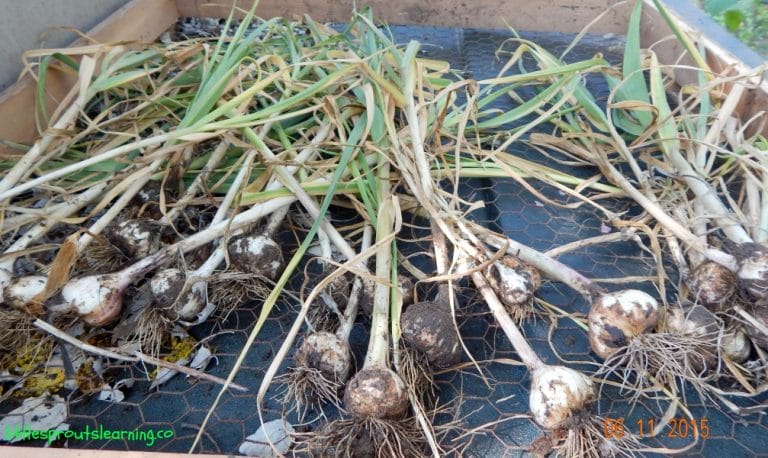
Garlic makes a great addition to your garden that can help to repel unwanted insects while helping to provide nutrient-rich food for your family. Garlic is well known for its ability to boost the immune system. Garlic contains allicin, which helps to eliminate cholesterol from the body and reduce the number of unhealthy fats.
There are plenty of great ways to enjoy superfoods. If you don’t like them now, try them some different ways and you will learn to like them. There are very few vegetables and fruits that I haven’t found a way to like with some creativity. You can do it and your health will thank you for it!
Growing Your Own Superfoods Saves Money
Growing nutrient-rich foods at home can reduce grocery costs while improving the quality of the food your family eats.
Then mention:
- perennial strawberries
- garlic replanting
- sweet potatoes from scraps
- microgreens indoors
Best Seasons to Plant Superfoods
Spring
- kale
- spinach
- broccoli
Summer
- watermelon
- sweet potatoes
Fall
- garlic
- kale
Superfoods Kids Will Actually Eat
- strawberries
- blueberries
- watermelon
- sweet potatoes
- smoothies with spinach
Superfoods smoothie
These super healthy smoothies are full of superfoods and even toddlers love them!

Superfoods bowl
If you don’t like drinking your smoothies, these smoothie bowls packed with superfoods might be your new favorite. It’s like a smoothie you eat with a spoon!
- For more growing ideas, check out gardening for beginners.
- And don’t forget this month by month garden planting guide.
They are both packed with helpful info on growing your own superfoods at home! If you’re on a budget, check out these cheap nutritious foods to keep in your diet.
And don’t forget other healthy foods such as:
FAQ About Growing Superfoods at Home
What is the easiest superfood to grow?
Spinach, kale, garlic, and microgreens are some of the easiest superfoods for beginner gardeners.
Can you grow superfoods in containers?
Yes. Many superfoods including blueberries, spinach, kale, strawberries, and microgreens grow well in pots or containers.
Are homegrown vegetables healthier?
Homegrown produce is often fresher and may contain fewer chemicals depending on how it is grown.
What superfoods grow best in Oklahoma?
Sweet potatoes, watermelon, kale, garlic, spinach, and strawberries grow especially well in Oklahoma gardens.
What are the healthiest foods to grow yourself?
Leafy greens, berries, garlic, broccoli, sweet potatoes, and microgreens are among the most nutrient-dense foods you can grow.