
8 Winter Vegetables to Plant in Oklahoma for Fresh Harvests
This page may contain affiliate links. Learn More.
8 Winter Vegetables to plant in oklahoma. Cool-season picks like spinach, lettuce, peas, and radishes, plus a month-by-month planting guide and printable planner for zone 7.

Putting in a fall garden to grow during cold weather and avoid the summer heat can give you some fresh vegetables in winter and early spring. There are many plants that grow over the winter after the first frost that can take the cooler temperatures. Onions, potatoes, cole crops, carrots, lettuce, peas, spinach, and radishes can all go in the garden in fall.
Later plantings can grow vegetables such as Brussels sprouts, leafy greens, bok choy, fava beans, and Asian greens. Cool weather like we have in winter in the state of Oklahoma gives more favorable conditions for growing these varieties.
You can’t grow tomato plants or other finicky plants outside through winter in Oklahoma, but knowing the right plants at the right times will give you a high-quality vegetable product to enjoy throughout the winter. Plant crops in late autumn or even late summer and avoid many pests and diseases that run rampant in the summer time.
Find plants, seeds, and seedlings you may want to plant in winter by late September. At Little Sprouts, we had a really good fall planting, but our winter has proven much colder than usual and has frozen most of what we were overwintering. We’ll be starting over in a month or so.
Don’t forget how to prepare your garden for winter.
And check out this printable garden planner to help you map out what you want to grow and where too!
January and February are busy months for plantings. Check out the OSU extension chart for what goes in the ground in winter. There are quite a few things on that list. If you are not in Oklahoma, check your local county extension office to find out what you should be planting at that time.
Vegetables You Can Plant in Winter in Oklahoma
Since it’s almost time to get these things in the ground, it’s time to look for where you are going to purchase your products.
Do you traditionally think about planting time being in summer or around May? Many things go in the ground at that time, but there are plenty of things you can plant in winter. In Oklahoma, our spring and fall are so incredibly short, you have to start early to get any cool-season crops to grow. If you have your plants well established and maturing in April, you’ll get a good Spring harvest before the heat comes barreling into your garden and cooks up all your plants.

When to plant onion sets in Oklahoma
You can plant onions in winter. Plants or seeds can go into the ground any time after the first week of February. This will give your onions time to take hold before it warms up. Plant onions from seed or sets.
Onion sets are tiny onion plants that come kind of dry. They are dormant. Once you put them in the ground, they come back to life. I have much better luck with sets than seeds, but many people plant from seed. You can plant them in a flat inside and grow them under a light until it’s time to set them out in the garden. Essentially, you’re growing your own sets.
When you plant onion sets, make sure not to plant them too deeply. You just want the roots to be in the ground with enough dirt to make sure they stand up. If you plant them too deeply, they won’t develop into nice big onions. I finally learned that last year.
Grow white potatoes in winter in Oklahoma
White or Irish potatoes are another crop you plant in winter. Potatoes will not grow in temperatures above 80 degrees. Once the soil gets to that temperature, your potatoes will begin to rot. The earlier the better. Many wives’ tales say to plant by St. Patrick’s Day and harvest before the 4th of July. Over time, temperatures have somewhat risen. I have had a ton of better luck planting and harvesting earlier now.
I try to plant my white potato eyes around the middle of February. If we get a hard freeze, the greens may die back, but it does not affect the potato underground.
Note that sweet potatoes are planted much later than white potatoes. Sweet potatoes are a summer crop.
It’s best to cut your potatoes into chunks and let them cure for a week or so before you plant them. You will find you get more potatoes to harvest if you do it that way.

Grow cole crops and carrots in winter in Oklahoma
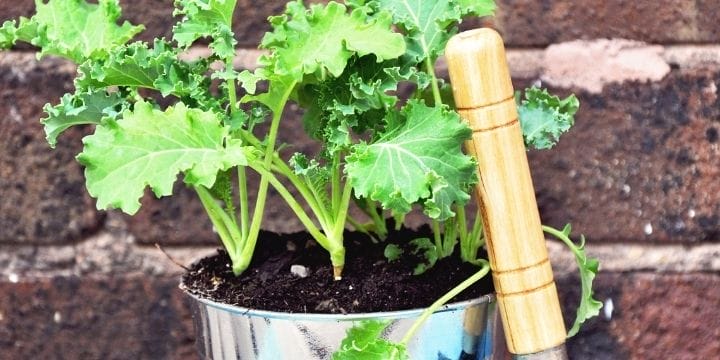
Cole crops are planted in winter. Cole crops include:
If you’ve never heard of kohlrabi, click here to check it out. The growing instructions for it are the same as for all these other Cole crops. Cole crops should be planted as plants between February 10th and March 10th. If you’d like to plant from seed, start them indoors under a light in December so you’ll have your own plants.
Carrots can be sown as seed early as well. The seeds are very small, so you may want to mix them with sand and sprinkle them along the ground. Then sprinkle a fine layer of soil over the top and keep them watered. Carrots are notoriously difficult to germinate, so don’t give up. The only thing that will cause them to fail is heat. If you plant during the warm season, the seeds will go dormant and not sprout.
Vegetables to grow in Oklahoma in winter
Lettuce is another direct seed crop to plant in winter. The seeds are also very small like carrots, so care should be taken to get them distributed properly. Lettuce is fairly cold hardy and can sometimes be grown all winter long in Oklahoma. This year, that’s not the case as we have seen unusual temperatures below zero. We don’t see that often here. You could still grow them with some row cover or cold frames. Lettuce can be planted as seed or plants.
Peas are a great winter crop. They also happen to be one of my very favorite things to grow and eat. My kids love the sweet, delicious treats. To me, peas are like candy. We love to eat them straight from the vines outside. If we are lucky enough to get some in the house, we devour them. Peas are planted as seeds. They don’t particularly care for being transplanted. Also, they need something to climb on. They love cooler weather.
When to Plant Spinach and Radishes in Oklahoma
Spinach is a great winter crop. Spinach really likes temps to be cool. When it gets too warm, spinach, radishes, carrots, and lettuce will bolt. Bolting means the plants will set flowers and seeds. If your vegetables bolt, you can harvest the seeds to use, but the food itself will be very bitter. The plant takes the energy away from making flavorful food and puts it all into the reproduction of the seed, leaving the plant tough, woody, and not tasty.
Radishes and Other Fast Winter Crops in Oklahoma
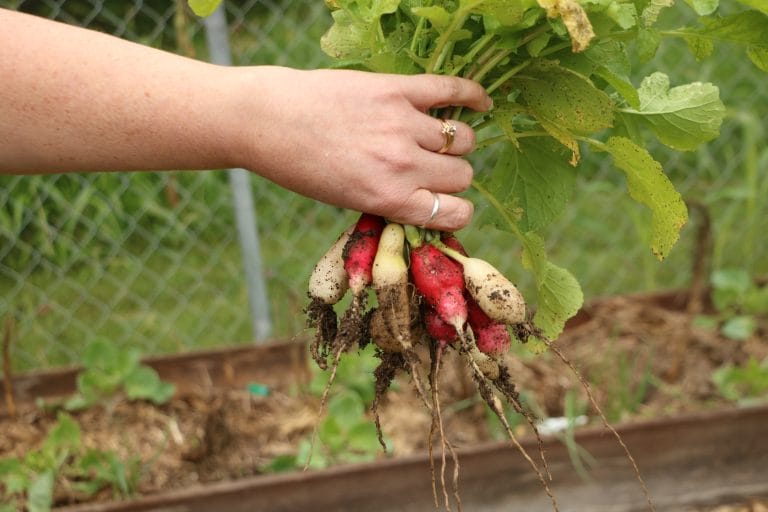
Radishes are one of the most fun things to plant. They have fairly big seeds for kids to handle, and they germinate super-fast. Within a few days, you’ll have radish seedlings growing in your garden. They only take 3-4 weeks to mature into edible vegetables.
This is great when growing with kids. Instant gratification. I have not found more than one or two kids that like to eat radishes, BUT, kids LOVE to grow them. It shows them what will happen with all of your other crops. This seed is going to turn into FOOD. Radishes are a great starter for new kids in the garden (or new grown-ups).
If you ever thought you couldn’t grow in winter, you’re in for a big treat. There are so many things you can plant fairly soon. It’s time to pull out your catalogs and troll the stores for some great products to plant in your garden.
Oklahoma Zone 7 Frost Dates and Cool-Season Planting
Most of Oklahoma is in USDA Hardiness Zone 7, but that does not mean every part of the state has the same planting date. Oklahoma’s average last spring freeze ranges from about March 21 to April 20, depending on location. A late freeze can still surprise us, so it is always a good idea to watch the forecast.
The good news is that these eight vegetables are cool-season crops. They should be planted before the last spring freeze rather than waiting until afterward. Onions, peas, carrots, lettuce, spinach, radishes, and established cole crop transplants can handle cool weather and light frost. Potatoes are a little less hardy, but if a freeze damages the green tops, the potato pieces underground will usually survive and grow again.
For a fall or winter garden, plant early enough for the vegetables to become established before Oklahoma’s first hard freeze. The average first freeze may arrive anywhere from about October 17 through November 15. Row covers, cold frames, mulch, or even an old sheet can provide extra protection when an unusually cold night is expected. Oklahoma State University
Oklahoma Winter Vegetable Planting and Harvest Calendar
These dates are general Oklahoma planting windows. Gardeners in southern Oklahoma may be able to plant a little earlier, while northern and western gardeners may need to wait slightly longer. Weather, soil conditions, and the vegetable variety will also affect harvest time.
| Vegetable | When to plant | How to plant | Approximate days to harvest | Expected harvest |
|---|---|---|---|---|
| Onion sets | February 15–March 10 | Plant sets or transplants | 60–120 days | April–July |
| White or Irish potatoes | February 15–March 10 | Plant cured seed-potato pieces | 90–120 days | May–July |
| Cole crops | February 15–March 10; broccoli can be planted during March | Set out broccoli, cabbage, cauliflower, kale or kohlrabi transplants | 50–90 days, depending on the crop | April–June |
| Carrots | February 15–March 10 | Direct-sow seeds | 70–90 days | Late April–June |
| Lettuce | February 15–March 10 | Direct-sow seeds or set out plants | 40–90 days | Late March–June |
| Green peas | February 15–March 10 | Direct-sow seeds beside a trellis | 60–90 days | April–June |
| Spinach | February 15–March 10 | Direct-sow seeds | 50–70 days | April–May |
| Radishes | March 1–April 15 | Direct-sow seeds | 25–40 days | Late March–May |
These dates are a guide, not a guarantee. I like to plant as early as the soil can be worked because Oklahoma spring weather does not stay cool for long. Lettuce, spinach, peas, carrots, and radishes may bolt or become bitter when hot weather arrives.
Frequently Asked Questions
What vegetables can I plant during winter in Oklahoma?
Onion sets, white potatoes, broccoli, cabbage, cauliflower, kale, kohlrabi, carrots, lettuce, peas, spinach, and radishes can all be planted during Oklahoma’s late winter or early spring planting season.
When should I start planting cool-season vegetables in Oklahoma?
Many cool-season vegetables can be planted between February 15 and March 10. Radishes can be planted from March 1 through April 15, and broccoli transplants can go into the garden during March. The dates may shift slightly depending on where you live in Oklahoma.
Do I need to wait until after the last freeze to plant vegetables?
Not these vegetables. Cool-season crops are planted before the last expected spring freeze so they can grow and mature before Oklahoma’s heat arrives. Warm-season vegetables such as tomatoes, peppers, squash, and sweet potatoes should wait until the danger of freezing has passed.
What should I do if a hard freeze is forecast?
Cover small plants with row cover, frost cloth, a cold frame, or an old sheet. Secure the covering so the wind cannot pull it away, but do not let heavy material crush tender plants. Remove the covering after temperatures warm the next day.
Is March too late to plant winter vegetables in Oklahoma?
Early March is still a good planting time for these cool-season vegetables. Try to get onions, potatoes, cole crops, carrots, lettuce, peas, and spinach planted by about March 10. Radishes can be planted later, but they should have time to mature before hot weather makes them bolt.
How can I extend the winter vegetable harvest?
Plant small amounts of fast-growing vegetables such as lettuce, spinach, and radishes every one or two weeks instead of planting all the seeds at once. This succession planting method provides several smaller harvests instead of one large harvest all at the same time.

What to Plant in March in Oklahoma
March is still a good time to plant cool-season vegetables in Oklahoma, but don’t wait too long. Our spring can turn hot quickly, and crops such as lettuce, spinach, carrots, peas, and radishes may bolt when temperatures rise.
Onion sets can go into the garden anytime after the first week of February, and I try to plant white potatoes around the middle of February. If you haven’t planted them yet, get them in as early in March as possible. Cole crops—including broccoli, cauliflower, cabbage, kale, and kohlrabi—can be planted as transplants through about March 10.
Carrots, lettuce, peas, spinach, and radishes can also be direct-sown in early March. Radishes mature in just three to four weeks, making them especially good for filling empty spaces while slower vegetables grow.
For spring planting, the important date is the last freeze rather than the first freeze. These cool-season vegetables can be planted before Oklahoma’s last expected freeze:
- Onion sets
- White potatoes
- Broccoli, cauliflower, cabbage, kale, and kohlrabi transplants
- Carrots
- Lettuce
- Peas
- Spinach
- Radishes
They can tolerate cool weather and light frost once established. Potatoes may lose some green growth during a hard freeze, but the potato underground should be fine. Don’t wait until after the last freeze to plant these crops, because Oklahoma heat may arrive before they have enough time to mature.



Okay, eight more plants added to the evergrowing list of mine of what to plant! Haha anyway, thank you for this. I didn’t actually know before that these plants grow in winter.
It’s so hard to pare down what you can to grow! 🙂 Thanks for checking out the article.
Hmmmm, it’s been in the mid to upper 70’s here this week….is it too late to plant most of this stuff for me? I know you said that above 80 degrees probably won’t work.
No, we should still have quite a bit of mild weather for you to grow in. If it’s too hot for a long time, it will be a problem, but generally it is mild for a while. Give it a try!
Did you know that radishes can be roasted just like potatoes and don’t have the high carbohydrates.
Your ideas are great!!
Thank you! Yes, they are not my favorite that way, but my mom loves them like that. 🙂
We are in for a snow storm tomorrow and then back to warm temps! Maybe I can convince Hubby that we need to plant our onions and potatoes once the storm passes!
I say go for it! 🙂