
STEM Activities for Toddlers
This page may contain affiliate links. Learn More.
STEM activities for toddlers don’t need to look like complicated experiments or fancy lab equipment. In early childhood, STEM simply means exploring, testing, building, touching, and discovering how the world works. Science activities for kids don’t need to be complicated.

Toddlers are natural scientists. Every day they pour water, stack blocks, knock things down, push buttons, and ask questions with their actions. When we offer hands-on opportunities for learning, children practice problem-solving, observation, math, and early science skills without even realizing it.
These simple STEM activities are perfect for daycare, home childcare, or early learning classrooms. They use everyday items you likely already have, and each activity builds real skills through play. Toddlers don’t need a structured lesson, they learn best by doing.
What STEM Means for Toddlers
STEM stands for science, technology, engineering, and math. For toddlers, this can look like:
- Filling and dumping water (volume and experimentation)
- Sorting blocks by color or shape (early math)
- Building towers and watching them fall (cause and effect)
- Exploring ramps, cars, and gravity (engineering)
- Watching ice melt (science observation)
- Playing with bubbles
These activities help toddlers understand their world and develop language, motor skills, and reasoning along the way.
Water Play: Simple Science and Math
Water is one of the easiest STEM tools for toddlers. Set out cups, bowls, funnels, spoons, ladles, and plastic bottles. Toddlers learn:
- Measuring and pouring
- Cause and effect
- Float and sink
- Wet vs. dry
If you want to extend the activity, try adding sponges, corks, ping-pong balls, or colored ice cubes. Water play also builds calming sensory regulation while learning happens naturally.

Building and Stacking
Blocks, cardboard boxes, plastic cups, wooden planks, and even food containers can become engineering tools. Toddlers love to:
- Stack towers
- Build roads or bridges
- Line up blocks by size
- Knock structures down and rebuild them
This teaches problem-solving, balance, weight, size comparison, and persistence. When a tower falls, toddlers naturally try new strategies. That is STEM learning in its purest form.
Sorting and Classifying
Sorting might look simple, but it’s a powerful math and logic skill. Toddlers can sort items by:
- Color
- Size
- Shape
- Texture
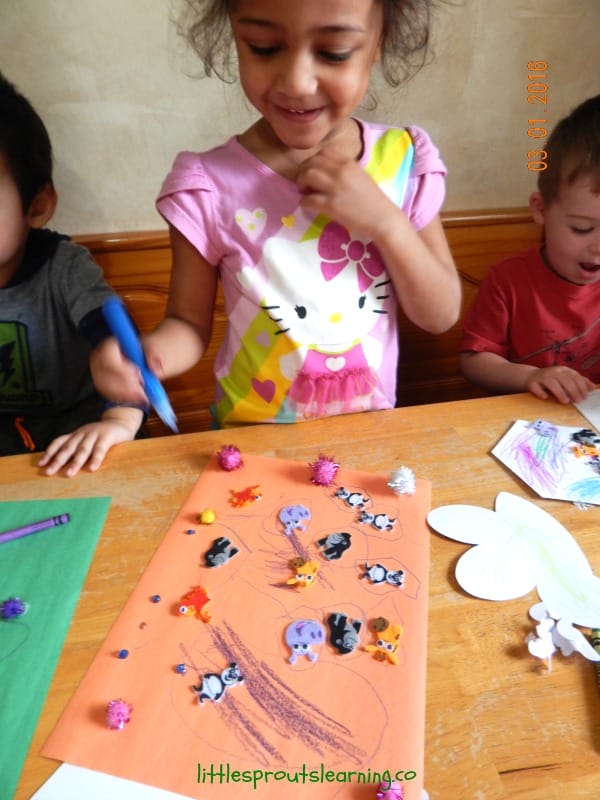
Use buttons, pom-poms, rocks, animal toys, cotton balls, or blocks. Sorting into muffin tins, cups, or egg cartons makes it even better. Toddlers build vocabulary and learn patterns without worksheets or instruction.

Ramps and Rolling
A cardboard ramp, a baking sheet, or a piece of wood instantly becomes a STEM activity. Let toddlers roll cars, balls, marbles, or toy animals down the ramp. They will test:
- Which objects go fast or slow
- What happens if the ramp is higher or lower
- Which objects roll vs. slide
It teaches gravity, motion, and comparison. If you provide two ramps side-by-side, toddlers will naturally race objects and explore speed differences.
Sink or Float
Fill a bin with water and add various items: plastic lids, spoons, rocks, sponges, pinecones, and toy animals. Ask toddlers what they think will sink or float, then let them test. Even if they can’t verbalize predictions yet, the discovery process is valuable.
You can also add boats made from plastic containers, corks, or sponges, and let toddlers fill them with small objects to see how much weight they hold before sinking.
Ice and Temperature Play
Ice teaches science in the simplest way. Place ice cubes in a bin and let toddlers touch, push, and watch them melt. Add warm water, colored water, or salt to show how melting changes. Freeze small toys inside ice and let toddlers work to “rescue” them using warm water or child-safe tools.
This activity introduces states of matter, cause and effect, and temperature changes.
Nature STEM
Nature is the world’s best STEM classroom. Toddlers can:
- Collect rocks, leaves, sticks, and pinecones
- Compare sizes and shapes
- Sort natural items into groups
- Observe bugs or worms
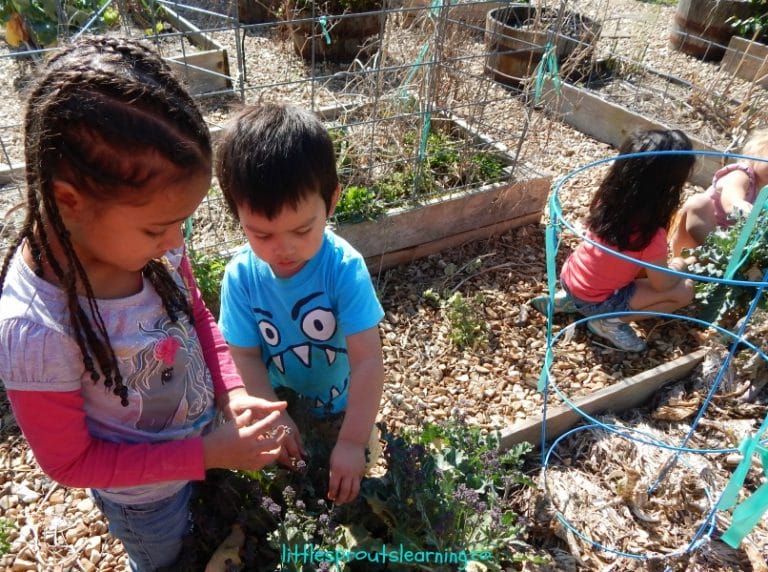
- Plant seeds and water them
When toddlers watch plants grow or see bugs crawl, they learn that living things change and grow over time.
Technology Toddlers Can Understand
Technology for toddlers is not screens, it is tools.
- Flashlights
- Magnets
- Funnels
- Measuring cups
- Magnifying glasses
These help children understand how objects work. Flashlight play is especially exciting: shining light on ceilings, walls, and shadows teaches reflection and light movement.
STEM Through Play
Toddlers learn best when we follow their curiosity. STEM happens when children explore, ask questions with their actions, and experiment freely. When adults provide materials and narration, “The ball rolled fast!” or “The ice is melting!”, language and learning grow side by side.
STEM doesn’t need worksheets, perfect results, or structure. It’s simply discovery. With simple materials and playful time, toddlers become builders, scientists, and thinkers every single day.
Math and Science Activities for Daycare
For more math and science activities for kids at daycare, check these out: