
Sensory Garden Ideas for Daycare
This page may contain affiliate links. Learn More.
Sensory garden ideas are one of the most magical learning spaces you can create for young children. Even small spaces can become incredible sensory gardens with the right plants and simple setups.

A sensory garden turns the outdoors into a hands-on classroom where kids can touch, smell, taste, listen, dig, and explore. For daycares, a sensory garden is more than a cute feature. It builds brain development, strengthens fine and gross motor skills, encourages curiosity, and helps children connect with nature.
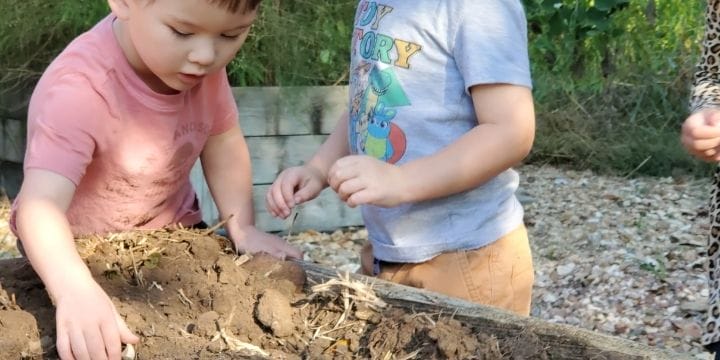
A sensory garden can be built in raised beds, pots, tubs, old crates, a corner of the yard, or even along a fence. You don’t need expensive landscaping or rare plants. What matters most is variety: different textures, colors, scents, and sounds. When kids get to water plants, help harvest herbs, and watch seeds turn into food or flowers, they learn responsibility, patience, and the wonder of growing things.
What Makes a Garden “Sensory”?
A sensory garden stimulates one or more of the five senses. Many plants and garden features offer multiple sensory experiences at once. A fuzzy lamb’s ear plant is soft to touch, mint has a strong smell and taste, wind chimes add sound, and colorful flowers provide visual beauty. Sensory gardens are especially helpful for children who learn best through hands-on play or who struggle with sitting still. When kids explore outdoors, learning feels like play.
You can include plants, textures, loose parts, sounds, and even small creatures like butterflies or ladybugs. Each visit to the garden becomes a new adventure.

Sensory Plants to Grow
When choosing plants, pick ones that are non-toxic and child-friendly. Always avoid thorny, poisonous, or irritating plants. Here are great sensory plant options for daycare gardens:
Touch:
- Lamb’s ear (soft and velvety)
- Succulents (smooth and bumpy)
- Ornamental grasses (feathery)
- Moss (spongy)
Smell:
- Mint (peppermint, spearmint, chocolate mint)
- Lavender
- Basil
- Lemon balm
- Rosemary
- Pineapple sage
- Blue spice basil
Taste:
- Cherry tomatoes
- Sugar snap peas
- Strawberries
- Lettuce and kale
- Herbs like parsley and chives
Sight:
- Bright zinnias, sunflowers, and marigolds
- Colorful peppers or rainbow Swiss chard
- Purple beans or yellow tomatoes
- Variegated leaves
Sound:
- Tall grasses in the wind
- Seed pods that rattle
- Bamboo wind chimes
Planting a mix keeps kids coming back to explore new textures, colors, and smells throughout the year.

Add Non-Plant Sensory Features
Even if the gardening space is small, you can bring in interesting sensory elements. Try:
- Wind spinners, ribbons, and chimes
- Water play: rain barrel, watering cans, small fountain, or bird bath
- Pebbles, bark, pinecones, or sand for digging and scooping
- Smooth stepping stones or log rounds to walk and balance on
- Mirrors or shiny objects that reflect sunlight
- Painted rocks and garden statues
Loose parts such as sticks, shells, small wood slices, and seed pods encourage imaginative play. Children can sort, count, stack, and build.
Easy Raised Bed and Container Ideas
Not every daycare yard has open ground for planting, and that’s okay. Containers work wonderfully and allow you to move plants as needed. Use:
- 5-gallon buckets
- Plastic storage totes
- Wooden crates
- Old wheelbarrows or wagons
- Fabric grow bags
- Kiddie pools filled with soil
- Hanging baskets for strawberries or herbs
Raised beds are helpful for little gardeners who can’t reach the ground easily. They also keep things tidy and prevent accidental trampling.

Sensory Paths and Walking Spaces
A sensory path invites children to move their bodies while exploring different textures. You can make a simple one using buckets or trays filled with:
- Smooth rocks
- Sand
- Grass clippings
- Mulch
- Water
- Leaves
- Flat pieces of wood
Let children walk barefoot if your setting allows. Just make sure materials are safe. Sensory paths are wonderful for gross motor skills and body awareness.
Using the Garden for Learning
Once your sensory garden is growing, there are endless ways to use it in your daily curriculum.
Math:
- Counting seeds
- Measuring plants
- Comparing leaf sizes
- Sorting rocks by color or shape
Science:
- Watching insects and birds
- Learning how water helps plants grow
- Observing plant life cycles
- Identifying smells, textures, and colors
Literacy:
- Garden journals with drawings
- Labeling plant markers
- Reading nature-themed books outdoors
Here are some of our favorite garden books for toddlers and preschoolers:
Fine Motor Skills:
- Snipping herbs with scissors
- Pinching soil to plant seeds
- Pouring water from small watering cans
Kids retain more when learning feels fun and real. The sensory garden turns ordinary lessons into memorable experiences.
Encouraging Responsibility and Peace
The garden is also a calming place. Children who need a quiet moment can sit and smell mint, run their fingers through grass, or watch bees and butterflies collect nectar. Watering and caring for plants gives them a sense of pride and responsibility. Even toddlers can help by carrying small watering cans or placing seeds into soil.
When children harvest something they grew, like strawberries, cherry tomatoes, or herbs, they build confidence and understand where food comes from.
Year-Round Sensory Fun
A sensory garden doesn’t disappear when summer ends. In fall, kids can crunch leaves, collect seeds, and explore pumpkins or gourds. In winter, they can dig snow, look for animal tracks, or hang bird feeders.
In spring, planting begins again, and the cycle of growth continues. Each season brings something new to see, touch, and smell.
A Garden Full of Wonder
You don’t need to be an expert gardener to create a sensory garden. Add a few plants, some textured materials, and simple nature elements, and you’ll be amazed how children respond. They will explore, experiment, and enjoy outdoor learning every day. A sensory garden becomes a magical part of the daycare routine. A place where curiosity grows right alongside the plants.
Whether you have a large backyard or just a small patio, sensory garden ideas can fit any space. Start small, let the kids help, and watch the garden—and their excitement—blossom. These preschool garden projects are full of even more ideas.