Teaching Kids About Recycling
This page may contain affiliate links. Learn More.
Teaching kids about recycling is one of the simplest ways to help them care for the Earth. When we show children how to reduce waste and protect our planet, we build lifelong healthy habits and responsibility.

Young children naturally love helping, sorting, collecting, and learning how things work, so recycling fits perfectly into early learning. You don’t need a complicated lesson plan, just small, hands-on activities that make recycling real and meaningful.
Recycling lessons help kids understand where trash goes, how we use natural resources, and how our actions matter. Even toddlers enjoy sorting items into bins and talking about whether something is garbage or “something we can use again.” With fun learning activities, pretend play, and simple experiments, recycling becomes an everyday part of learning.
What Recycling Means for Kids
When talking to young children, keep the idea simple: recycling means using something again instead of throwing it away. Kids don’t need to memorize facts. They only need easy examples. Water bottles become new bottles. Paper can become more paper. Metal cans can be made into new cans or toys. Kids love knowing that recycling changes old items into new things.
Show them real items you recycle at home like plastic bottles, cardboard boxes, tin cans, paper, and magazines. Touching and holding real objects helps children connect recycling to daily life.
Fun Sorting Activities
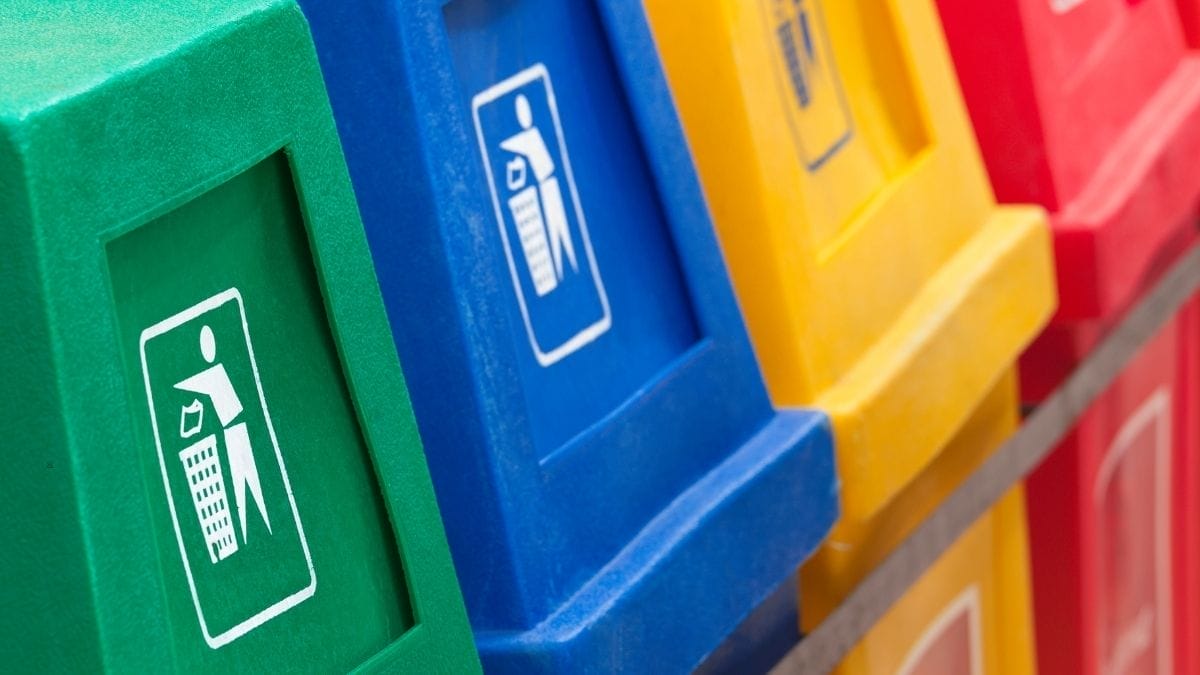
Sorting is a natural way to teach recycling, and young kids love it. You can set out three bins labeled plastic, paper, and trash. Add clean items and let children sort. If you want to make it more hands-on, use pictures on the front of each bin. Toddlers can sort by picture, and preschoolers can sort by reading the labels or noticing materials.
For extra fun, turn sorting into a game. Give each child a bucket of “recyclables” and say, “Ready, set, sort!” They get excited, laugh, and learn while they play.

Teaching with Art and Craft Projects
Recycling activities work well in art. Save paper tubes, cereal boxes, bottle caps, and cardboard trays for craft projects. Kids can build robots, castles, animals, or musical instruments. When they create something new from something old, they see recycling in action.
You can also do an easy paper-making activity. Tear old paper into tiny pieces, add water, and blend into pulp. Spread it flat to dry and create homemade paper. Kids think it’s magical and remember that paper can be used again.
They can also reuse many items in composting or even worm composting. Food scraps and paper and cardboard are a big part of building a worm farm and building compost in the bin.
Books and Visual Learning
There are many children’s books about recycling that help explain the idea in a friendly way. Reading books builds vocabulary and inspires conversations. Look for stories about trash trucks, Earth Day, recycling centers, or caring for the environment. After reading, kids can act out recycling with toy trucks, bins, or pretend play.
Here are some of our favorite books for toddlers and preschoolers that talk about reusing resources:
Taking a Recycling Walk
Kids love real-world adventures. If you have a community recycling bin or depot, take a walk to drop items off. Children can carry cardboard, cans, or paper and watch containers being sorted. Seeing how the process works makes recycling feel real and important.
If you can’t visit a recycling center, a pretend one works just as well. Set up a toy conveyor belt or boxes labeled like a real facility. Kids can pretend to be workers, drivers, sorters, and helpers.

Teaching the Three R’s: Reduce, Reuse, Recycle
Even young kids can learn the three simple words:
- Reduce – use less
- Reuse – use something again
- Recycle – turn old things into new things
You can practice reducing by turning off lights, saving water, and not wasting paper. Reusing is easy with empty jars, scrap paper, or old containers turned into craft supplies. Recycling means placing items into the right bin instead of the trash.
Raising Earth-Friendly Kids
Children are more likely to protect the planet when they feel connected to it. Planting flowers, growing vegetables, picking up litter, and watching birds or bugs in the garden help kids build love for nature. Once they care about the Earth, recycling makes sense to them.
Kids are never too young to learn to make a difference. Teaching recycling through play, reading, sorting, celebrating Earth Day, and real-life examples builds confidence and responsibility. Check out these 24 Free Earth Day Shrinky Dink Patterns for ideas to use with kids. When children know their small actions help the Earth, they feel proud, and those lessons last a lifetime.