Plant Life Cycle Lessons for Kids
This page may contain affiliate links. Learn More.
Teaching kids plant life cycle lessons is one of the easiest and most meaningful ways to connect science, nature, and real-world learning. When children watch a tiny seed grow into a plant, they aren’t just learning science, they’re learning patience, responsibility, and where food comes from.

Whether you’re a parent, teacher, or home daycare provider, these plant life cycle lessons are simple, engaging, and perfect for young learners. Hands-on Plant Life Cycle Lessons for Kids-Simple, hands-on ways to teach how plants grow.
What Is the Plant Life Cycle?
The plant life cycle is the series of stages a plant goes through as it grows. Kids don’t need complicated vocabulary—just clear steps they can see and touch.
The 5 Basic Stages of a Plant Life Cycle
- Seed – The plant begins as a seed
- Germination – The seed sprouts roots and a shoot
- Seedling – A small plant with leaves forms
- Mature Plant – The plant grows strong and tall
- Flower & Seeds – Flowers produce new seeds, and the cycle begins again
💡 Tip for young kids: Focus on seed → sprout → plant → flower first, then add details as they grow.

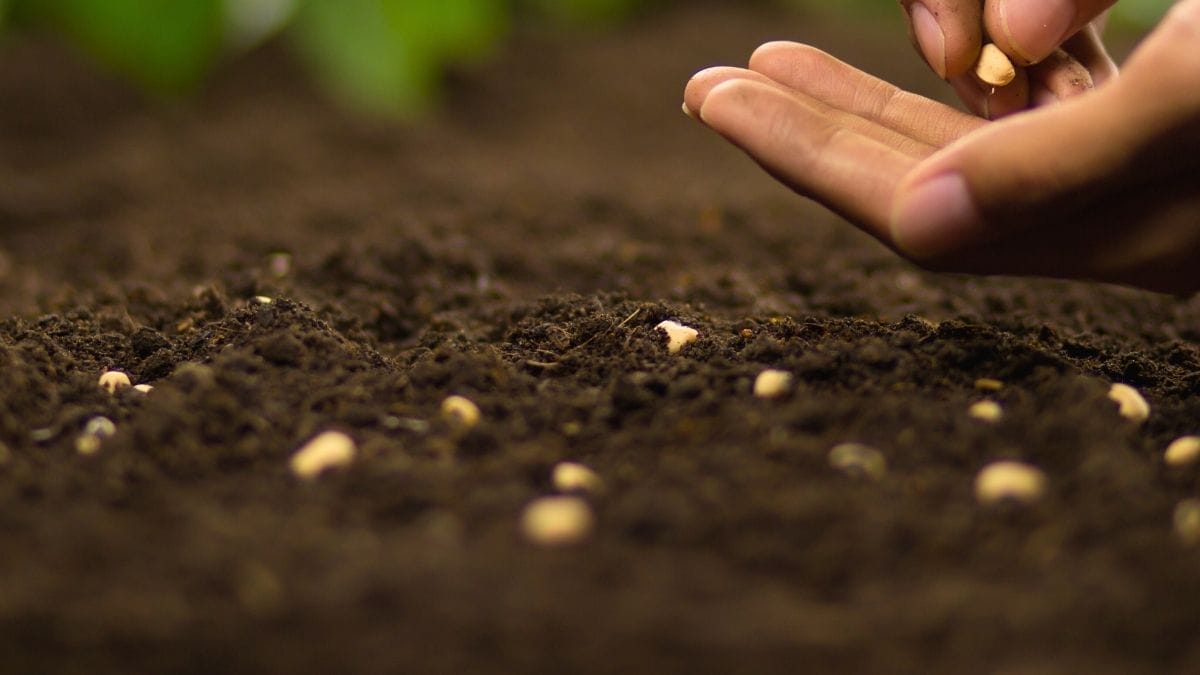
1. Plant Seeds Together
The best way to teach the plant life cycle is to actually grow a plant.
Great beginner seeds:
- Beans
- Sunflowers
- Peas
- Lettuce
Let kids:
- Fill the soil
- Drop the seed
- Cover it gently
- Water it themselves
🌱 This builds ownership and excitement from day one.
2. Sprout Seeds in a Bag (Indoor Science)
Perfect when you can’t garden outside yet.
What you need:
- Clear plastic bag
- Paper towel
- Dried bean seed
- Water
Tape the bag to a sunny window and let kids watch the roots and sprout grow. This is an amazing visual for germination!

3. Daily Observation & Journaling
Kids love checking on “their” plants.
Simple observation ideas:
- Draw what the plant looks like today
- Measure growth with blocks or fingers
- Talk about changes you see
📒 For younger kids, drawing works better than writing.
4. Read Books About Plants
Books help reinforce concepts kids see happening in real life.
Try pairing your planting activity with:
- Stories about seeds growing
- Garden-themed picture books
- Nonfiction books with real photos
📚 Read the book before planting and again after the sprout appears—kids will make the connection.
Some of our favorites are:
Plant Life Cycle Crafts & Visuals
- Plant Life Cycle Lap Book is a fun visual you can make for kids to explore.
- Life Cycle Flip Books has several different life cycles available to make flip books including plant life cycles.
Easy Plant Craft
- Paper plate life cycle (seed → sprout → plant → flower) Draw the different parts of the plant life cycle and glue the pieces on a paper plate. Or use the printable graphics below.
- Life cycle wheel kids can spin
🎨 Crafts help kids remember the stages in order without memorizing.
Vocabulary to Introduce (Age-Appropriate)
You don’t need all the science terms—just a few simple words:
- Seed
- Roots
- Stem
- Leaves
- Flower
As kids get older, you can introduce:
- Germination
- Seedling
- Pollination
For 16 printable life cycle posters to use with your kids, check out this listing on Teachers Pay Teachers.
Why Teaching the Plant Life Cycle Matters
Plant life cycle lessons:
- Support early science skills
- Teach responsibility and patience
- Build appreciation for food and nature
- Encourage curiosity and observation
And best of all? Kids are proud when their plant grows 🌼
Extend the Learning
Want to keep the learning going?
- Harvest and eat what you grow
- Save seeds from flowers
- Compare fast-growing vs slow-growing plants
- Add a compost lesson
🌿 Gardening turns science into a living lesson kids remember.
Nature Activities for Kids
For more ideas for nature activities you can do with your kids, check these out:
You don’t need fancy supplies or perfect gardens to teach the plant life cycle. All you need is a seed, a little dirt, and time. Kids will do the rest.