
How to Grow Korean Perilla Leaves from Seeds
This page may contain affiliate links. Learn More.
Learning how to grow Korean perilla leaves from seeds is a rewarding process that allows you to enjoy a fresh supply of these delicious leaves throughout the growing season. Whether you’re a beginner gardener or an experienced grower, this guide will walk you through everything you need to know about successfully cultivating perilla leaves from seeds.

Korean perilla (Perilla frutescens var. japonica), also known as kkaennip (깨달지) beefsteak plant or sesame leaf in Korean cuisine, is a flavorful herb with a unique taste, often described as a mix between basil and mint. Popular in Korean cooking, perilla leaves are used in wraps, stir-fries, and pickled dishes.
Perilla is a popular annual herb in Asian cultures, particularly in Korean BBQ and side dishes like kkaennip namul. It belongs to the Lamiaceae family, making it a member of the mint family, and shares similarities with Japanese shiso but has a different flavor.
Growing perilla was a wonderful part of our daycare lesson plans on Korean culture. (We even made Korean bibimbap and used our perilla in it)

1. Understanding Korean Perilla
Characteristics of Perilla Plants
- Broad, serrated, and slightly fuzzy leaves
- Grows between 1 to 3 feet tall
- Thrives in warm, sunny conditions
- Can be grown in pots or directly in the garden
Why Grow Perilla?
- Essential in Korean cuisine
- Easy to grow and maintain
- Can be harvested multiple times
- Attracts beneficial pollinators
2. Choosing the Right Seeds
To grow Korean perilla successfully, you need high-quality seeds. Look for organic, non-GMO perilla seeds from a reputable supplier. Korean perilla seeds are available online or at Asian grocery stores with a gardening section. We purchased these perilla seeds from Etsy and had a great experience.
3. Preparing for Planting
Best Time to Plant
- Start seeds indoors 4-6 weeks before the last frost date.
- Transplant seedlings or sow seeds outdoors when temperatures are consistently above 60°F (16°C).
- The perilla grows great in our Oklahoma zone 7 climate. We had great luck with all of our Korean crops.
Soil Preparation
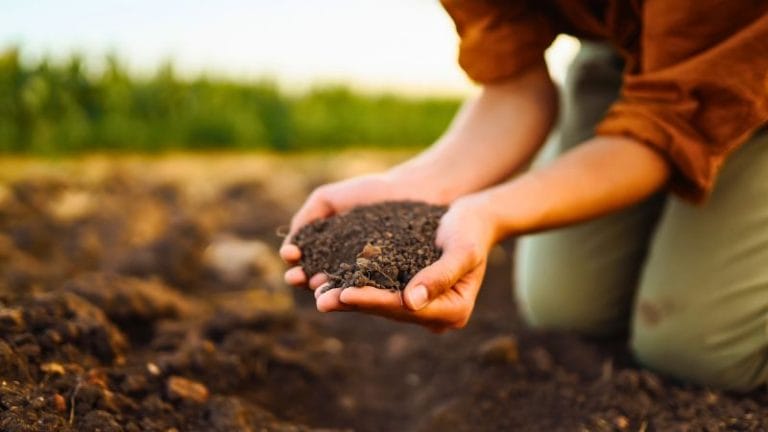
- Use well-draining, nutrient-rich soil with a slightly acidic to neutral pH (6.0-7.5).
- Amend with compost for extra nutrients.
- If planting in a pot, use a container at least 6-8 inches deep.
4. Planting Perilla Seeds
Indoor Seed Starting
- Fill seed trays with a light, well-draining seed-starting mix.
- Sow seeds 1/4 inch deep and lightly cover with soil.
- Mist the soil with water and keep it moist but not soggy.
- Maintain a temperature of 65-75°F (18-24°C) for optimal germination.
- Seeds should germinate within 7-14 days.
Direct Sowing in the Garden
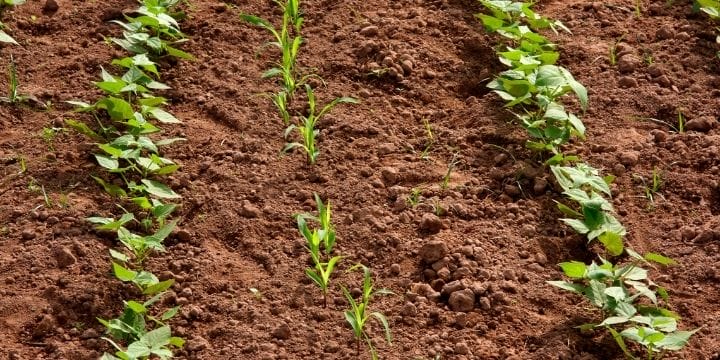
- Choose a sunny location with at least 6 hours of direct sunlight.
- Sow seeds directly into loosened soil about 6-12 inches apart. (We sow our seeds directly into the soil in our preschool garden)
- Water gently and keep the soil consistently moist.

5. Caring for Perilla Plants
Watering
- Keep soil evenly moist but avoid overwatering.
- Water when the top 1 inch of soil feels dry.
Sunlight Requirements
- Perilla thrives in full sun to partial shade.
- If growing indoors, place near a south-facing window or use grow lights.
Fertilizing
- Use a balanced organic fertilizer every 3-4 weeks.
- Avoid excessive nitrogen to prevent leggy growth.
Thinning and Transplanting
- Once seedlings have 2-3 sets of true leaves, thin them to 6-12 inches apart.
- If started indoors, harden off plants before transplanting outside.

6. Harvesting Perilla Leaves
When to Harvest
- Leaves can be harvested once the plant reaches 6-8 inches tall.
- Regular harvesting encourages bushy growth.

How to Harvest
- Use clean scissors to snip leaves from the plant.
- Avoid taking more than 1/3 of the plant at a time. (Ours grows enormous here, so we can never keep up with how much it grows, it’s a gorgeous plant though so it looks amazing in our garden beds)

7. Common Issues and How to Solve Them
Pests
- Aphids & Spider Mites: Spray with neem oil or insecticidal soap.
- Slugs & Snails: Use organic slug bait or create a barrier with crushed eggshells. You can also use diatomaceous earth.
Diseases
- Powdery Mildew: Ensure good air circulation and avoid overhead watering.
- Root Rot: Use well-draining soil and avoid overwatering.
8. Storing and Using Perilla Leaves
Storage
- Keep fresh leaves in a sealed container in the fridge for up to one week.
- Freeze whole leaves for longer storage.
- Dry leaves and store in an airtight jar for later use.

Ways to Use Perilla Leaves
- Fresh: Wrap around grilled meats, mix into salads, or use in bibimbap.
- Pickled: Preserve in soy sauce and garlic for a traditional side dish.
- Cooked: Stir-fry with sesame oil and garlic.
- Tea: Dried leaves can be steeped into a mild, aromatic tea.
Growing Korean perilla from seeds is an easy and rewarding way to enjoy this versatile herb year-round. With the right conditions, regular care, and proper harvesting, you’ll have a continuous supply of fresh perilla leaves to enhance your cooking. Try growing perilla this season and bring authentic Korean flavors to your kitchen!