
How to Grow Giant African Drum Gourds in the Garden
This page may contain affiliate links. Learn More.
Giant African drum gourds, known for their impressive size and unique uses, are a fascinating addition to any garden. These gourds have been used for centuries in Africa to create musical instruments, bowls, and decorative pieces. And it’s easy to grow gourds in the garden.

Growing giant African drum gourds at home can be a rewarding experience, but it does require some planning and care. Here’s a guide to help you successfully grow these giant gourds in your garden.
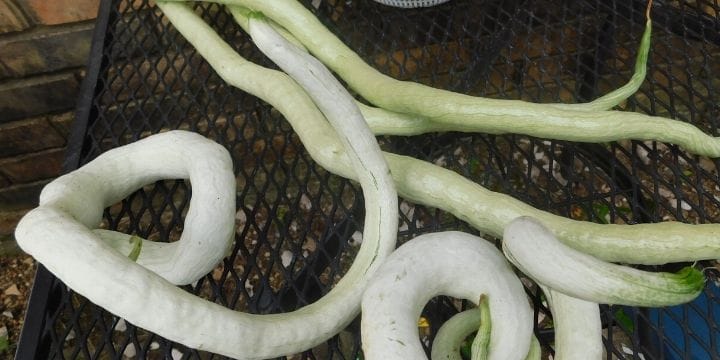
The Giant African Drum Gourd is an enormous gourd that has thick walls and a round shape. The vigorous vines grow gorgeous white flowers. You can make these hard-shelled gourds into useful things if you have the optimal conditions and a long growing season. Find out more about how to grow them yourself below.
Growing African Drum Gourds
1. Choosing the Right Location
Giant African drum gourds thrive in full sun, so choose a location that receives at least 6-8 hours of direct sunlight each day. They need plenty of space to spread out, as their vines can grow quite long. If you have a garden with ample room, consider planting them near a sturdy trellis or along a fence to give them support as they grow. We grow ours along chain link fencing or on some of our really substantial trellises.
✔Here’s a link to a great vegetable garden planner you can print right out and use at home! So cute!
2. Soil Preparation
These gourds prefer well-drained soil that is rich in organic matter. Before planting, work compost or well-rotted manure into the soil to improve its fertility. Aim for a pH level between 6.0 and 6.5, which is ideal for most gourds. You can test your soil’s pH with a simple home kit and amend it if necessary.

3. Planting the Seeds
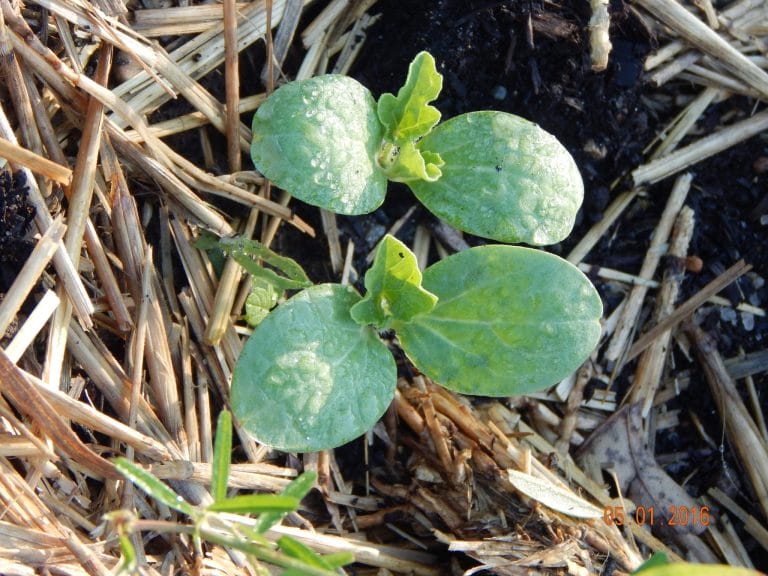
Giant African drum gourds can be started indoors or directly sown in the garden after the danger of frost has passed. Here’s how to plant them:
- Starting Indoors: If you have a shorter growing season, start seeds indoors about 4-6 weeks before the last expected frost. Plant the seeds in pots filled with seed-starting mix. Keep them in a warm location with temperatures around 70-85°F (21-29°C) for optimal germination.
- Direct Sowing: If you have a longer growing season like we do in Oklahoma where it is summer for 7 months of the year, wait until the soil temperature reaches 70°F (21°C) before planting seeds directly in the garden. Plant seeds about 1 inch deep and 3-4 feet apart to allow for their spreading vines. To get Giant African Drum Gourd seeds that our preschoolers saved from our garden, check them out on Etsy.
4. Watering
Giant African drum gourds need consistent watering to thrive. Keep the soil evenly moist but not waterlogged. Mulching around the base of the plants can help retain moisture and prevent weeds from competing with your gourds.

5. Training the Gourd Vines
These gourds are vigorous climbers, and training them on a sturdy trellis or fence can help save space and keep the fruits off the ground. This not only reduces the risk of rot but also results in more uniform-shaped gourds. As the vines grow, gently guide them onto the support structure and tie them loosely with soft ties if needed.

6. Pollination Tips
Giant African drum gourds produce both male and female flowers. Pollination is essential for fruit development, and these plants rely on pollinators like bees to transfer pollen between flowers. If you notice a lack of pollinators, consider hand-pollinating by transferring pollen from male flowers to female flowers with a small brush or cotton swab.
7. Harvesting the African Drum Gourds
The key to growing giant African drum gourds is patience. These gourds can take 120-150 days to reach maturity, depending on your growing conditions. Allow the gourds to grow as large as possible on the vine. You’ll know they are ready for harvest when the stems begin to dry out and the skin hardens. LEAVE THE GOURDS ON THE VINES AS THE FROST HITS. Cut them from the vine after the vines freeze leaving a few inches of stem on each gourd.

8. Curing and Drying the Gourds
After harvesting, the gourds need to be properly cured to harden the outer shell. We leave ours on gravel right in the garden for nearly a year until they are hard. This process can take several months, during which the gourd will gradually lose moisture and harden. Turn the gourds occasionally to ensure even drying and prevent mold growth.
We cut our gourds with a reciprocating saw. They are sturdy and similar to a soft wood. Once we have the lid off, we scoop the insides out until the gourd is clean.
Creative Uses for Giant African Drum Gourds
Once your gourds are fully dried and cured, you can get creative! Giant African drum gourds can be used to create a variety of artistic and functional items:
- Musical Instruments: These gourds are commonly used to make traditional African drums. You can hollow them out, stretch animal hides over them, and secure them with ropes to create your own unique drum.
- Decorative Bowls: Cut and hollow out the gourds to create beautiful, natural bowls or storage containers.
- Art Projects: Paint or carve the dried gourds to make unique pieces of art or garden decorations.
Growing giant African drum gourds in your garden is a rewarding project that requires some patience and care. With the right conditions, these impressive gourds can flourish and provide you with beautiful and functional creations. From soil preparation to harvesting and crafting, each step of the process offers a unique gardening and cultural experience.
Ready to give it a try? Start planting and get ready to watch these fascinating gourds take over your garden! It’s easy enough for even a beginning gardener to do.
For more gourd growing inspiration, check this out: