
10 Ways to Use Excess Beets from the Garden
This page may contain affiliate links. Learn More.
Beets are one of the most versatile crops you can grow. From root to greens, fresh or preserved, sweet or savory, there are so many practical ways to use excess beets from the garden. And use all the produce you grow!

If you’ve ever grown beets successfully, you know they don’t just “produce.” They produce. Suddenly you’re pulling armfuls from the soil, and the kitchen counter is covered in deep red roots and leafy tops.
As someone who believes every part of the garden has purpose, I hate to see beautiful homegrown food go to waste. Here are thoughtful, from-scratch ways to put those excess beets to work. For more ideas on using all you grow (without canning), check this out.

Roast Them for Simple, Everyday Meals
Roasting is one of the easiest ways to use a large batch at once. Trim, cube, and roast them until tender. Once roasted, they can be added to salads, grain bowls, wraps, or served as a simple side dish throughout the week.
Roasted beets also store well in the refrigerator, making them perfect for meal prep. When you have a full sheet pan ready to go, you can build multiple meals around them.

Pickle for Long-Term Enjoyment
If your harvest is bigger than your week’s menu, pickling is a traditional and practical solution. Pickled beets keep for months and add a bright, tangy element to simple meals.
They’re wonderful alongside sandwiches, tucked into salads, or served on a relish tray. This old-fashioned method turns a temporary abundance into something shelf-stable and convenient.

Shred Them Raw into Salads
Fresh beets can be grated or thinly sliced and added raw to salads. Their crunch and color brighten up simple greens and stretch a bowl of lettuce into something more filling.
This works especially well if you’re looking to use several beets at once without cooking. A large beet grated finely can disappear beautifully into a salad mix.

Blend into Smoothies
If you have more beets than you know what to do with, blending them into smoothies is a surprisingly easy option. Cooked or raw (depending on your preference), they add vibrant color and mild earthiness.
This is a practical way to use smaller beets or those that are slightly misshapen. Once blended, no one notices imperfections — just the beautiful color.
Bake into Muffins or Quick Breads
Cooked, pureed beets can be folded into muffin or quick bread batter. They add moisture and natural sweetness while creating a rich color. Here’s a recipe for beet muffins that you puree ingredients together.
This is especially helpful if you’re feeding children who may hesitate to eat beets in visible form. The texture blends seamlessly into baked goods.

Turn Them into Soup
Beets make a beautiful base for blended soups. Whether served warm in cooler months or chilled in summer, beet-based soups are a satisfying way to use several roots at once.
Blending the beets smooth creates a creamy texture without needing heavy ingredients. It’s a practical way to transform a pile of garden produce into a comforting meal.
Try these ideas for beet soup:
Freeze for Later
If you simply can’t keep up, freezing is your friend. Cooked, chopped beets freeze well and can be added later to soups, casseroles, or roasted vegetable mixes.
This buys you time. Instead of feeling pressured to use everything immediately, you can preserve your harvest and spread it out over months.
Freezing is my jam! I love to freeze grated, roasted, and pureed vegetables. If you have a big bunch of beets, prepare some of each. Having grated beets to drop into breads, sauces, and soups is a perfect way to add nutrients without adding time to prep. Having ice cube sized amounts of pureed beets would make them easy to drop into recipes too. And roasted diced beets would make a great ready made side dish! You could also drop these into soups and casseroles as well. The freezer is your friend!
Use the Beet Greens
Don’t forget the tops. Beet greens are completely edible and often overlooked. They can be sautéed like spinach, added to soups, or stirred into egg dishes.
Using the greens doubles your harvest without planting anything extra. In a garden-focused kitchen, that kind of efficiency matters.
Make a Natural Food Coloring
If you enjoy homemade baking projects, beet juice can serve as a natural food coloring. It creates soft pinks and deep reds without artificial dyes. You can even dye easter eggs with beets.
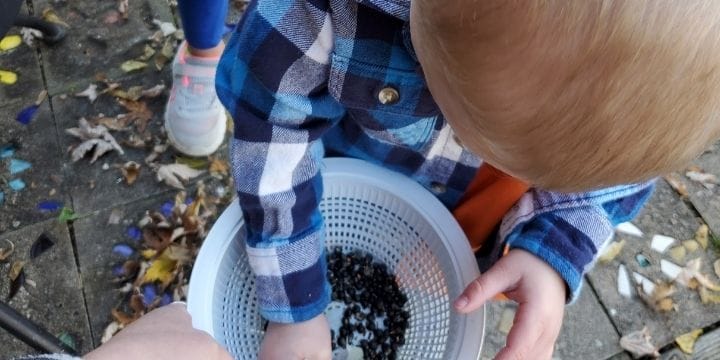
This can be especially fun for special occasions or garden-themed activities with children. It’s a simple way to connect cooking back to where food comes from. Check out how much fun it is to make natural dyes with kids.
Dehydrate for Powder
For long-term storage, cooked or raw beet slices can be dehydrated and ground into powder. This powder can be added to smoothies, baked goods, or sprinkled into soups for color and subtle flavor.
It’s an old-fashioned preservation method that maximizes storage space and reduces waste. I love using beet greens with my other greens in my dried green powder that I use year round to add nutrients to my kid’s diets without putting them off in taste or texture. Give it a try!
Share the Abundance
Sometimes the most meaningful solution is simply sharing. Beets grow generously, and gifting a bundle to a neighbor or friend spreads the harvest beyond your garden fence.
Excess produce becomes an opportunity for connection instead of stress.
A Garden Mindset Shift
When the garden gives more than expected, it can feel overwhelming. But abundance is a gift. With a little creativity, those extra beets become meals, pantry staples, preserved jars, freezer meals, and shared blessings.
Instead of asking, “What am I going to do with all of these?” try asking, “How many different ways can I use them?”
From roasting and pickling to baking and blending, beets are far more flexible than most people realize. With thoughtful planning, no harvest has to go to waste — and every root pulled from the soil can serve a purpose in your kitchen.