Preschool Garden Projects
This page may contain affiliate links. Learn More.
Preschool Garden Projects are a simple, hands-on way to grow curiosity, confidence, and healthy habits for kids with nature based activities.

Gardening with preschoolers doesn’t have to be complicated or picture-perfect. The best preschool garden projects are simple, a little messy, and full of opportunities for children to learn by doing. Whether you have a large yard, raised beds, or just a few containers, gardening helps young children connect with nature, food, and responsibility in meaningful ways. These ideas are especially well-suited for children ages 2–5.
Why Garden With Preschoolers?
Preschool garden projects support multiple areas of early childhood development at once. Children build fine motor skills through digging, scooping, and planting. They develop language as they learn new words like sprout, root, and soil. Gardening introduces basic science concepts such as plant life cycles, weather, and cause and effect. It also teaches patience, responsibility, and pride in caring for something living.
Most importantly, gardening helps children understand where food comes from.
Container Gardening
Container gardening is one of the easiest ways to start a preschool garden. It works well for small spaces and allows children to manage their own plants.
Use buckets, flower pots, or recycled containers with drainage holes. Let each child fill their container with soil, plant seeds, and water gently. Herbs, lettuce, radishes, and flowers are all great beginner options.
Children love having “their own” plant to care for and watch grow.

Seed Starting Projects
Starting seeds indoors or outdoors is a simple project with big impact. Large seeds like beans, peas, or sunflowers are easier for small hands to handle.
Talk about what seeds need to grow—soil, water, sunlight, and time. Check the seeds daily and encourage children to notice changes like sprouts pushing through the soil. This is a great time to talk about the magic of germination.
You can even chart growth with simple drawings or photos over time.
Watering Station
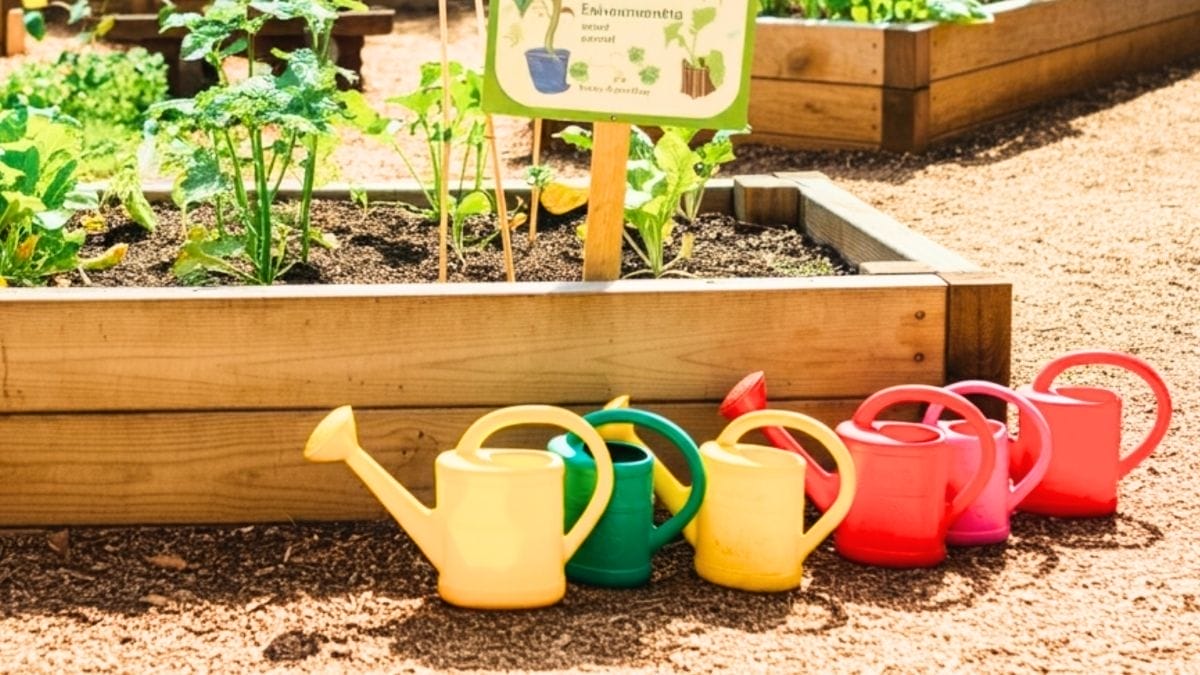
Create a dedicated watering area with small watering cans or cups. Teach children how plants need water but not too much.
This project encourages independence, responsibility, and self-control. It also helps children practice coordination as they pour carefully.
Watering quickly becomes a favorite daily routine.

Sensory Garden Activities
Gardens naturally engage the senses. Invite children to touch leaves, smell herbs, listen to buzzing insects, and notice colors and textures.
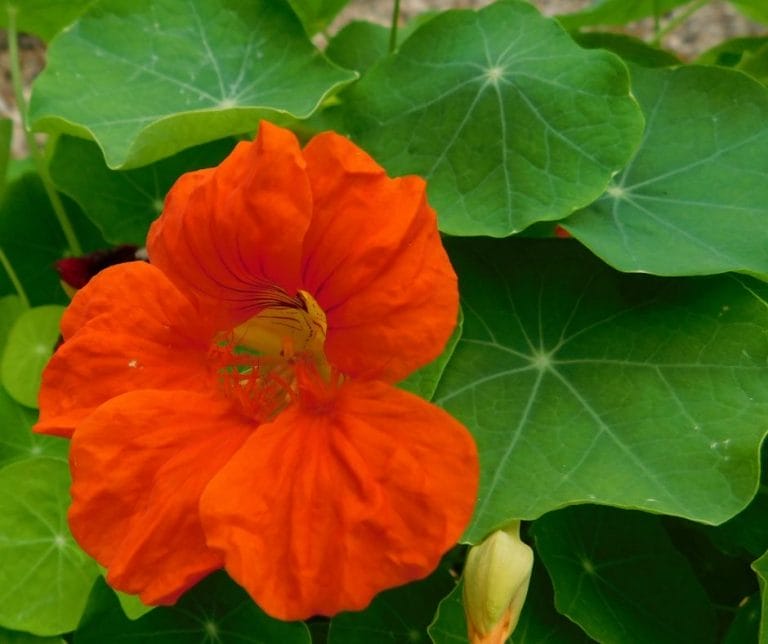
You can plant fuzzy leaves, fragrant herbs, or brightly colored flowers. Sensory exploration supports brain development and encourages curiosity and observation skills.
There is no right or wrong way to explore the garden.
Harvesting With Kids
Harvesting is often the most exciting part of gardening for preschoolers. Show children how to gently pick vegetables, herbs, or flowers when they are ready.
Even a small harvest can lead to big conversations about food. Taste what you grow when possible, or use it in simple snacks or meals.
Children are much more likely to try foods they helped grow themselves.
Composting Basics
Introduce composting in a simple, age-appropriate way. Show children how fruit peels, vegetable scraps, and leaves can be added to a compost bin or pile.
Explain that compost helps the garden soil stay healthy. This project teaches respect for the environment and raises awareness of food waste at an early age.
Tips for Success
Keep projects simple and flexible. Expect spills, dirt, and uneven results. Focus on the experience rather than perfection.
Choose fast-growing plants so children can see results quickly. We love to grow radishes for that purpose. Celebrate small successes, like the first sprout or flower.
Most importantly, garden alongside the children and model curiosity and joy.
Preschool garden projects don’t need to be elaborate to be meaningful. With a few basic supplies and a lot of patience, gardening can become one of the most valuable hands-on learning experiences for young children.
Every seed planted is an opportunity to grow confidence, responsibility, and a lifelong love of nature.