How to Grow Watermelon (From Seed at Home)
This page may contain affiliate links. Learn More.
Growing watermelon at home can be a rewarding experience, allowing you to enjoy fresh, juicy melons right from your garden. Find out how to grow watermelon (from seed at home) even if you are a beginning gardener.
Melons thrive in warm climates and require plenty of sun, space, and well-drained soil to produce sweet, flavorful fruit. They are especially well suited to grow in Oklahoma gardens.
Can You Grow Watermelon in a Pot?
Yes, you can grow watermelon in a pot! While watermelons are traditionally grown in the ground due to their sprawling vines and large fruit, certain varieties are suitable for container gardening. Here are some tips for growing watermelon in a pot:
- Choose the Right Variety: Opt for smaller, bush-type watermelon varieties that are better suited for containers. Some good options include ‘Sugar Baby,’ ‘Bush Sugar Baby,’ and ‘Golden Midget.’ These varieties produce smaller fruit and have more compact growth habits.
- Select a Large Pot: Watermelons have deep root systems and need plenty of space to grow. Use a large pot or container that is at least 18-24 inches deep and wide. Ensure the pot has good drainage holes to prevent waterlogging.
- Use Quality Soil: Fill the pot with a high-quality, well-draining potting mix. Add compost or organic matter to enrich the soil and improve moisture retention.
- Provide Support: As the watermelon vines grow, they will need support to keep the fruit off the ground and prevent the vines from sprawling. Use a trellis, cage, or stakes to support the vines. You may need to use slings to support the weight of the growing melons.
- Water and Feed Regularly: Watermelon plants require consistent moisture, especially during flowering and fruit development. Water the plants deeply, allowing the soil to dry slightly between waterings. Fertilize every 2-3 weeks with a balanced, water-soluble fertilizer.
How to Grow Watermelon in a Small Space
Growing watermelon in a small space is possible with some creative gardening techniques:
- Vertical Gardening: Utilize vertical space by training watermelon vines to grow up a trellis or fence. This not only saves ground space but also keeps the fruit off the soil, reducing the risk of rot and pests. Use soft ties to secure the vines and provide slings or netting to support the growing melons.
- Raised Beds: If you have limited ground space, raised beds can provide an ideal growing environment for watermelons. Raised beds offer better drainage and soil quality control, which are important for watermelon growth.
- Interplanting: Plant watermelon alongside other crops that do not compete heavily for space, such as lettuce or radishes. These crops mature quickly and will be harvested before the watermelon vines start to spread. Check out the best companion plants for watermelons here.
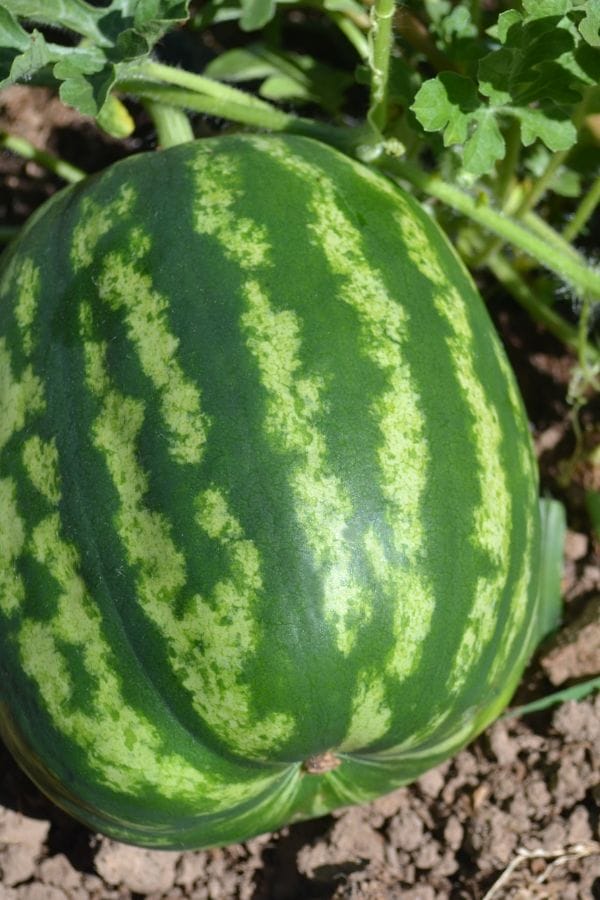
Where to Grow Watermelon
Watermelons need plenty of sunlight, warmth, and space to thrive. Here’s what to consider when choosing a location to grow watermelons:
- Full Sun: Watermelons require at least 6-8 hours of direct sunlight daily. Choose a location in your garden that receives plenty of sunlight throughout the day.
- Well-Drained Soil: Watermelons prefer sandy loam soil that drains well. Avoid heavy clay soils that retain water and can lead to root rot. If your garden soil is heavy, consider growing watermelons in raised beds or adding organic matter to improve drainage.
- Warm Temperatures: Watermelons are warm-season crops that thrive in temperatures between 70-90°F (21-32°C). Plant watermelon seeds or transplants after the danger of frost has passed and the soil has warmed up to at least 70°F (21°C).
- Space to Spread: Watermelon vines can spread up to 20 feet, so ensure there is enough space for the vines to grow and spread. If space is limited, consider using vertical supports or planting bush-type varieties.
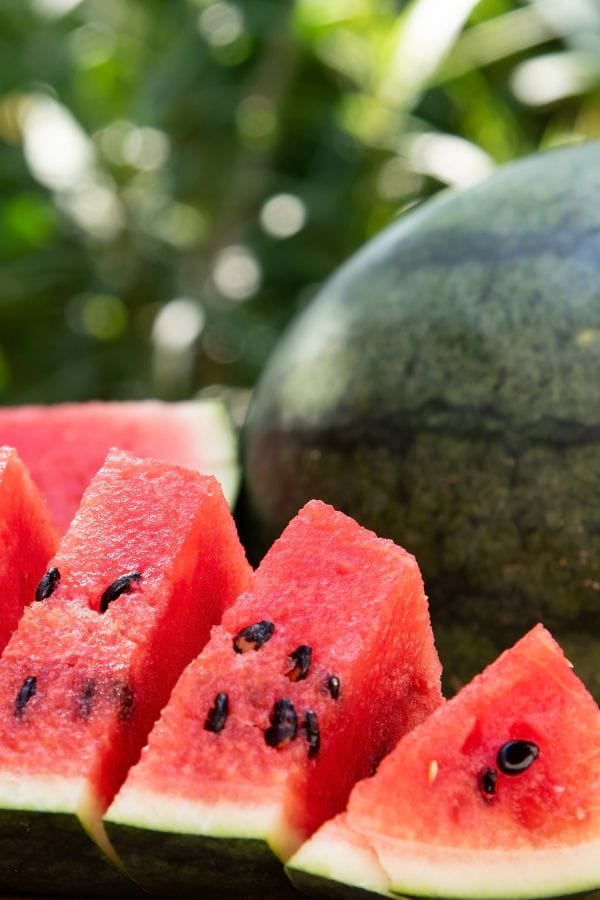
How to Grow Watermelon
- Start from Seed: Watermelons can be started from seed indoors or sown directly in the garden. If starting indoors, sow seeds in biodegradable pots about 4 weeks before the last expected frost date. Transplant seedlings when they have 2-3 true leaves, and the soil is warm.
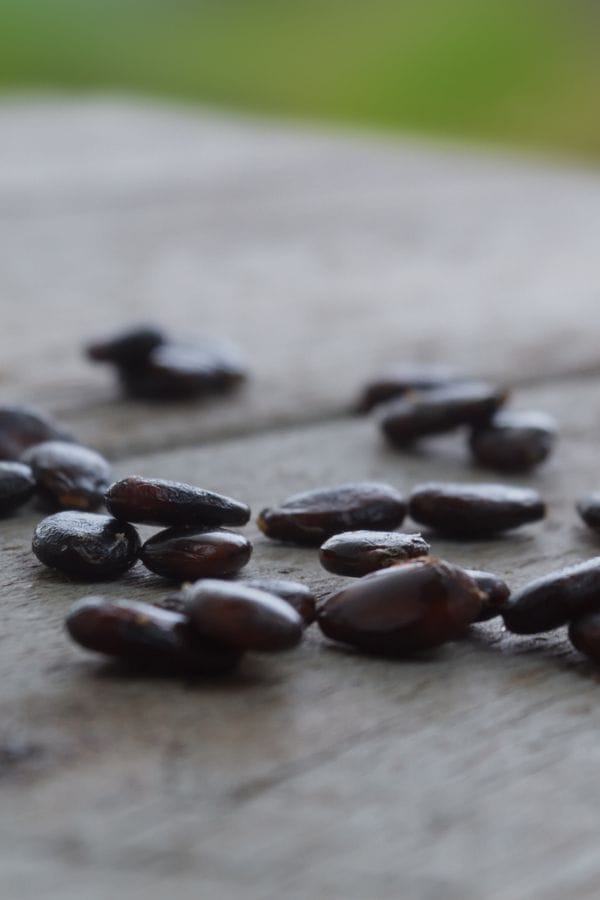
- Sow Seeds Outdoors: Direct sow watermelon seeds in the garden after the last frost date when the soil temperature is at least 70°F (21°C). Plant seeds about 1 inch deep and space them 2-3 feet apart in rows that are 6-8 feet apart. Thin seedlings to the strongest plant per spot once they have a few true leaves.
- Water Consistently: Watermelons need consistent moisture, especially during flowering and fruit development. Water deeply once or twice a week, depending on the weather, and avoid overhead watering to reduce the risk of fungal diseases.
- Fertilize: Watermelons are heavy feeders. Prepare the soil by adding compost or well-rotted manure before planting. Side-dress with a balanced fertilizer when the plants begin to vine and again when they start to set fruit.
- Mulch: Mulching around watermelon plants helps retain soil moisture, suppress weeds, and keep the soil warm. Use straw, grass clippings, or black plastic mulch.
- Pollination: Watermelons rely on bees and other pollinators for fruit set. Encourage pollinators by planting flowers nearby. If pollinators are scarce, you can hand-pollinate by transferring pollen from male to female flowers using a small brush.
- Harvesting: Watermelons are ready to harvest when the tendril closest to the fruit turns brown and dries up, the fruit’s skin changes from shiny to dull, and the underside of the melon turns creamy yellow. Use a sharp knife to cut the melon from the vine, leaving a short stem attached.
Watch your plants closely for pests such as cucumber beetles, or squash bugs. Treat the plants with insecticidal soap or hand-pick them off. You can also use row covers to deter them from coming.
Watch out for diseases such as powdery mildew, gummy stem blight, fusarium wilt, Alternaria leaf spot, and other foliar disease. These can be caused by letting the watermelon plants have wet feet or sit in water or by splashing a lot of water on the leaves of the plant when watering.
Make sure young plants and watermelon seedlings are allowed to dry out just a little bit between watering so they don’t get too much water. Water at the base of the plant, and make sure they get plenty of sunny weather and warm weather so they have warm soil to grow in. A short growing season and too much rain will not be ideal growing conditions for these plants.
Growing watermelon at home can be a fun and rewarding experience. By choosing the right varieties, and providing adequate space, sunlight, and care, you can enjoy delicious homegrown watermelons throughout the summer. Whether you have a large garden, a small backyard, or just a sunny patio, there’s a way to grow watermelons that suits your space and lifestyle.