Homemade Toys and Learning Tools
This page may contain affiliate links. Learn More.
When you make homemade toys and learning tools yourself, you save money, reduce waste, and give children unique, open-ended resources for play. Learning to do it is a great skill when running a home daycare.
Kids don’t need shelves full of expensive, store-bought toys to learn and thrive. Some of the best learning happens with simple, homemade tools that spark creativity and imagination.
Homemade toys don’t have to be complicated or time-consuming. Many can be created with items you already have around the house or collected from nature. Let’s explore the benefits of homemade toys, plus dozens of easy, low-cost ideas you can start using in your daycare or home today.
Why Homemade Toys Are Worth It
Affordable
Buying new toys can get expensive quickly, especially in a daycare setting where materials need to be sturdy and plentiful. Homemade toys often cost next to nothing.
Open-Ended Play
Many commercial toys do just one thing: push a button, light up, or make a sound. Homemade toys are usually more open-ended, encouraging children to imagine, create, and problem-solve.
Personal and Unique
Homemade toys can be customized to your children’s interests and developmental stages. They’re one-of-a-kind and can grow with the kids.
Eco-Friendly
Repurposing everyday materials reduces waste and teaches children about sustainability.
Homemade Toys for Infants and Toddlers
Young children learn through their senses, so toys that engage touch, sound, and movement are especially valuable.
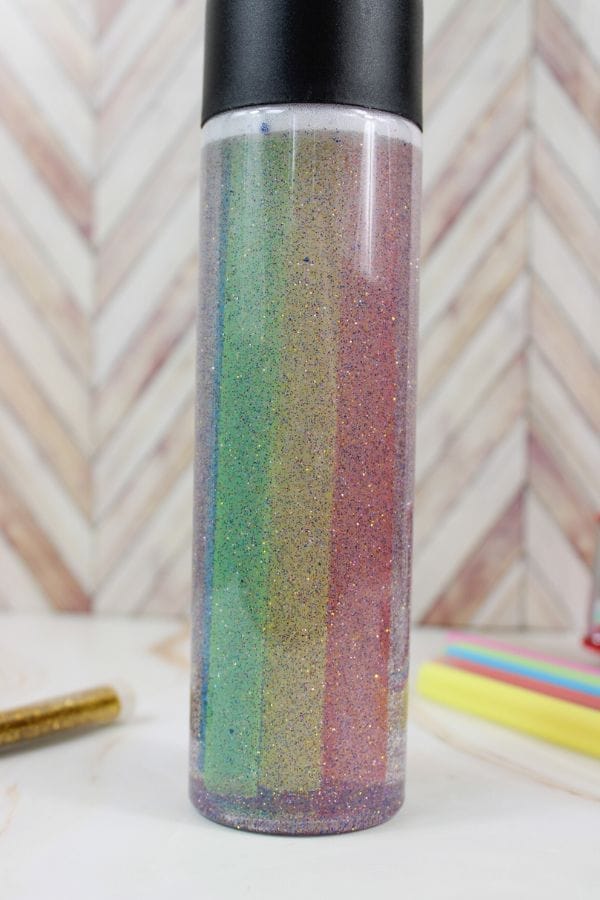
- Sensory Bottles: Fill clear plastic bottles with rice, beads, pom-poms, or glitter mixed with water. Secure lids tightly for safe shaking and watching.
- Fabric Squares: Sew scraps of fabric into small squares with different textures: silk, flannel, corduroy, for tactile play.
- Ribbon Pull Box: Cut holes in a cardboard box and thread ribbons through. Babies love pulling them back and forth.
- Stacking Cups: Repurpose plastic containers of different sizes for stacking, nesting, and filling. You can even use solo cups. They come in a lot of sizes now, even shot glass size, which are a lot of fun for all kinds of games with the kids.
- No-Sew Sock Animals: Stuff a sock with rice or fabric scraps, tie off the end, and draw on a face with fabric markers.
Homemade Toys for Preschoolers
Preschoolers love pretending, building, and experimenting. Simple homemade toys encourage imagination and skill-building.
- Cardboard Blocks: Tape up empty cereal boxes, tissue boxes, or shoe boxes to use as lightweight building blocks.
- Dress-Up Box: Fill a bin with scarves, old hats, costume jewelry, or adult shirts for endless pretend play.
- Playdough Tools: Instead of store-bought sets, use cookie cutters, butter knives, and rolling pins.
- DIY Puzzles: Print photos, glue them to cardboard, and cut into simple shapes for puzzles.
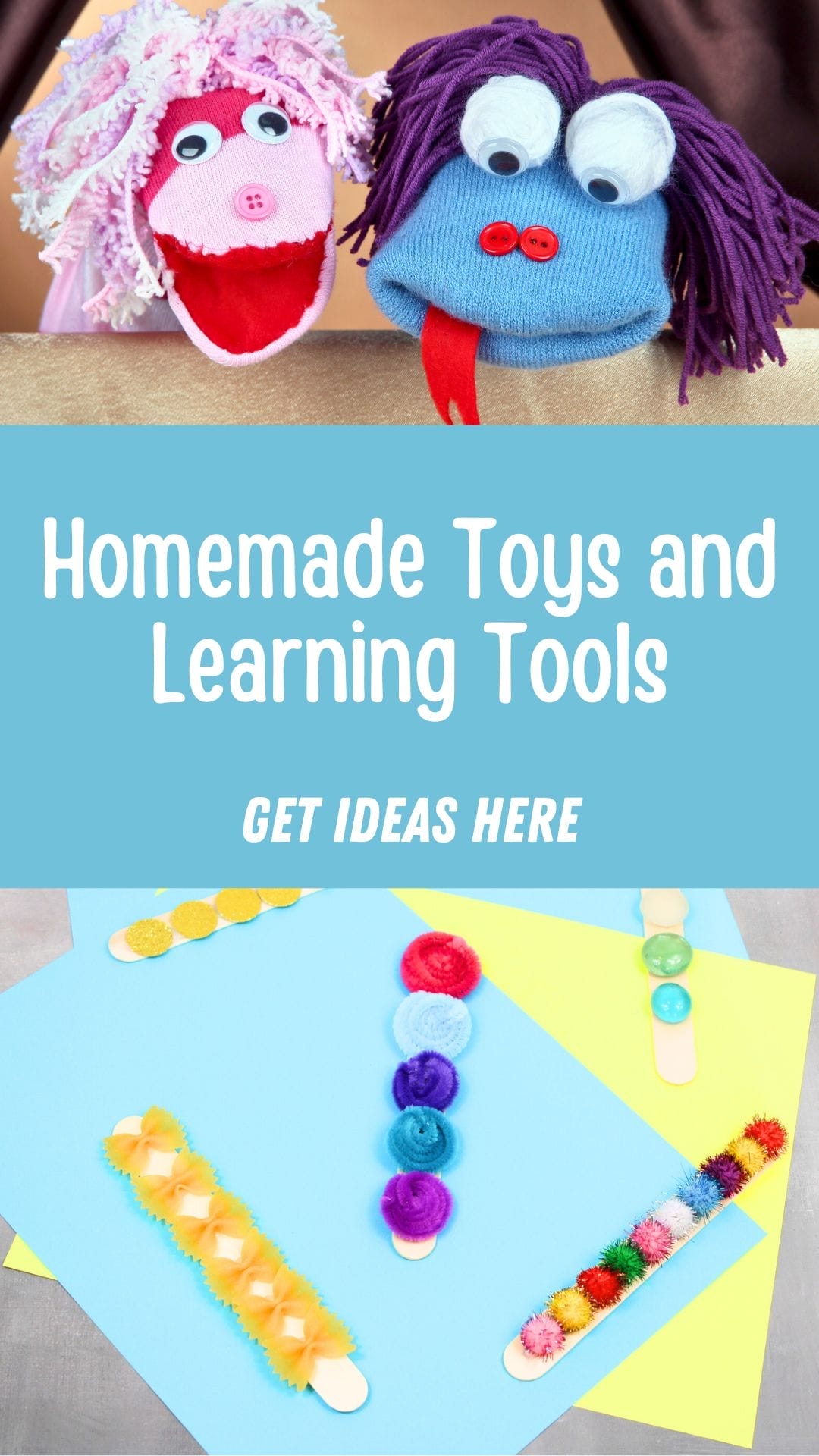
- Stick Puppets: Draw or print characters, glue them to craft sticks, and put on puppet shows.
Homemade Learning Tools for Literacy
Helping children build pre-reading and writing skills can be as easy as pulling out some craft supplies.
- Alphabet Rocks: Paint or write letters on smooth stones. Kids can spell their names or simple words.
- Sandpaper Letters: Cut letters from sandpaper and glue to cardboard for a tactile way to practice letter recognition.
- Story Stones: Paint simple images (sun, tree, house, animal) on rocks. Children can use them to tell and retell stories.
- Name Cards: Write each child’s name on index cards with a photo for recognition practice.
- Mail Center: Set up an old shoebox as a mailbox with envelopes and paper for pretend letter writing.
Homemade Learning Tools for Math
Math concepts come alive with hands-on play.
- Counting Sticks: Glue dots or stickers on popsicle sticks for children to count.
- Egg Carton Math: Use an egg carton as a ten-frame for addition, subtraction, or sorting games.
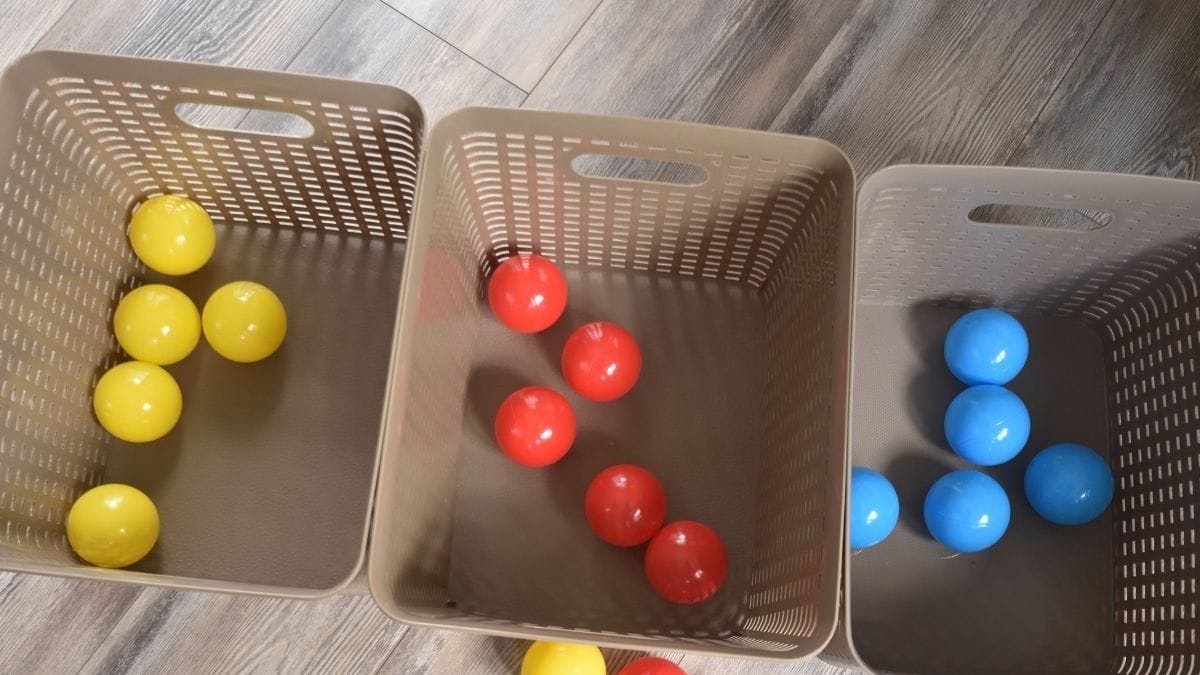
- Button Sorters: Provide jars or muffin tins with buttons of different colors and sizes.
- Clothespin Numbers: Write numbers on clothespins and have kids clip them onto matching numeral cards.
- Shape Cards: Cut shapes from cardboard for matching, tracing, or building patterns.
Homemade Science and Discovery Tools
Children are natural scientists. Homemade tools make exploring even more fun.
- Magnifying Glass Hunt: Pair magnifying glasses with jars or boxes for bug collecting and observation.
- Weather Station: Create a rain gauge with a clear jar and a ruler, or make a wind sock with fabric scraps.
- Sink or Float Bin: Use a plastic tub filled with water and household objects for experimenting.
- Nature Collection Bins: Decorate shoeboxes or baskets for storing rocks, leaves, or pinecones.
- Recycled Instruments: Use cans, bottles, and rubber bands to make shakers, drums, or guitars.
Homemade Art Supplies
Art doesn’t require expensive supplies. Kids love creating with simple, homemade tools.
- Stampers: Cut shapes into sponges or use potatoes as stamps with paint.
- Brush Alternatives: Use sticks, feathers, or old toothbrushes for painting.
- Nature Paint Brushes: Bundle grass or pine needles with a rubber band for unique textures.
- Homemade Easel: Prop a large piece of cardboard against the wall for kids to use as an easel. We also love to attach paper to the fence outside.
- Salt Dough Ornaments: Mix flour, salt, and water into a dough kids can shape, bake, and paint.
Homemade Outdoor Toys
The outdoors is the perfect playground for budget-friendly fun.
- Chalk Paint: Mix cornstarch, water, and food coloring for sidewalk paint.
- Obstacle Course Materials: Use hula hoops, cones, or pool noodles to create jumping, crawling, and balancing challenges.
- Nature Scavenger Hunts: Print a simple checklist for kids to find items like leaves, sticks, or flowers.
- Kites from Paper Bags: Decorate paper bags, tie on string, and run in the wind.
- Bubble Wands: Bend pipe cleaners into shapes for bubble blowing.
- Blocks: One of my most used outdoor toys is some ends of 2 x 4 and 2 x 6 boards someone gave me that we use every single day for blocks!
Tips for Making Homemade Toys Work in Daycare
- Safety First: Avoid small parts for toddlers, secure lids on sensory bottles, and check for sharp edges.
- Durability: Reinforce toys with tape, glue, or lamination so they last longer.
- Rotation: Store some toys and bring them out later. Kids love the “newness.”
- Child Input: Ask kids what they’d like to make or play with, then involve them in creating it.
Benefits Beyond the Budget
Homemade toys do more than save money:
- Foster Creativity: Children learn that fun doesn’t require fancy gadgets.
- Build Relationships: Making toys with kids strengthens bonds and models problem-solving.
- Encourage Sustainability: Using recycled and natural materials teaches kids to value resources.
- Promote Independence: Open-ended toys give children freedom to invent their own games.
Homemade toys and learning tools are affordable, creative, and incredibly valuable in early childhood education. With simple materials and a little imagination, you can create resources that teach literacy, math, science, and social skills, all while keeping children engaged and joyful.
You don’t need to spend big bucks to run a high-quality daycare. Kids will remember the forts built from sheets, the puppets made from sticks, and the games played with buttons and rocks far more than they’ll remember any plastic toy.
So, dig through your recycling bin, take a walk outside, and let your imagination lead the way. The best toys aren’t always store-bought, they’re the ones made with love, creativity, and a dash of everyday magic.
Crooksie and Churro Learn to Count
For a really sweet and fun story about two garden cats named Crooksie and Churro, check out our new book on Amazon, “Crooksie and Churro Learn to Count“. It’s a counting book that talks about emotions and helps kids learn that it’s okay to feel them all.

Beautiful illustrations engage kids as you explore different places in the garden. And there’s even an easter egg in the book, so they can practice their I Spy skills. See if you can figure out what it is! Grab your copy today and come on a garden adventure with us.