Free Companion Planting Chart
This page may contain affiliate links. Learn More.
Grab your free companion planting chart and learn which vegetables grow best together for bigger harvests, fewer pests, and an easier garden. Companion planting is one of the easiest and most rewarding ways to improve your garden’s health naturally.
Why Companion Planting Matters
When you pair the right plants together, they support each other by boosting growth, deterring pests, improving soil, and even enhancing flavor. On the other hand, some combinations can stunt growth or attract the very bugs you’re trying to avoid.
After years of gardening with kids, experimenting with raised beds, and teaching families how to grow food, I’ve learned that a simple, clear chart makes companion planting so much easier. That’s why I created this simple Free Companion Planting Chart—a printable guide you can keep in your garden journal, tape inside a cabinet, or carry outside while you plant. It takes the guesswork out of pairing vegetables, herbs, and flowers so your garden can grow fuller and healthier with less work.
What Is a Companion Planting Chart?
A companion planting chart is a short visual guide that shows which plants grow well together and which should be kept apart. Instead of trying to memorize dozens of plant relationships, the chart shows you at a glance:
- Beneficial plant pairings
- Plants that help deter pests
- Vegetables that improve flavor and yield
- Herbs that attract pollinators
- Combinations to avoid
It’s essentially a cheat sheet for every gardener from beginners to seasoned growers. And when you’re gardening with kids or teaching others how to grow food, having a simple, easy-to-read chart is a game changer.

Benefits of Using a Companion Planting Chart
Using a companion planting chart brings so many advantages to your garden. Here are just a few reasons gardeners love it:
Natural Pest Control
Certain herbs and flowers repel pests that normally attack vegetables. For example, basil helps drive away hornworms from tomatoes, while marigolds deter nematodes around peppers and squash. Pairing plants this way means fewer pests without needing chemicals.
Better Flavor and Healthy Growth
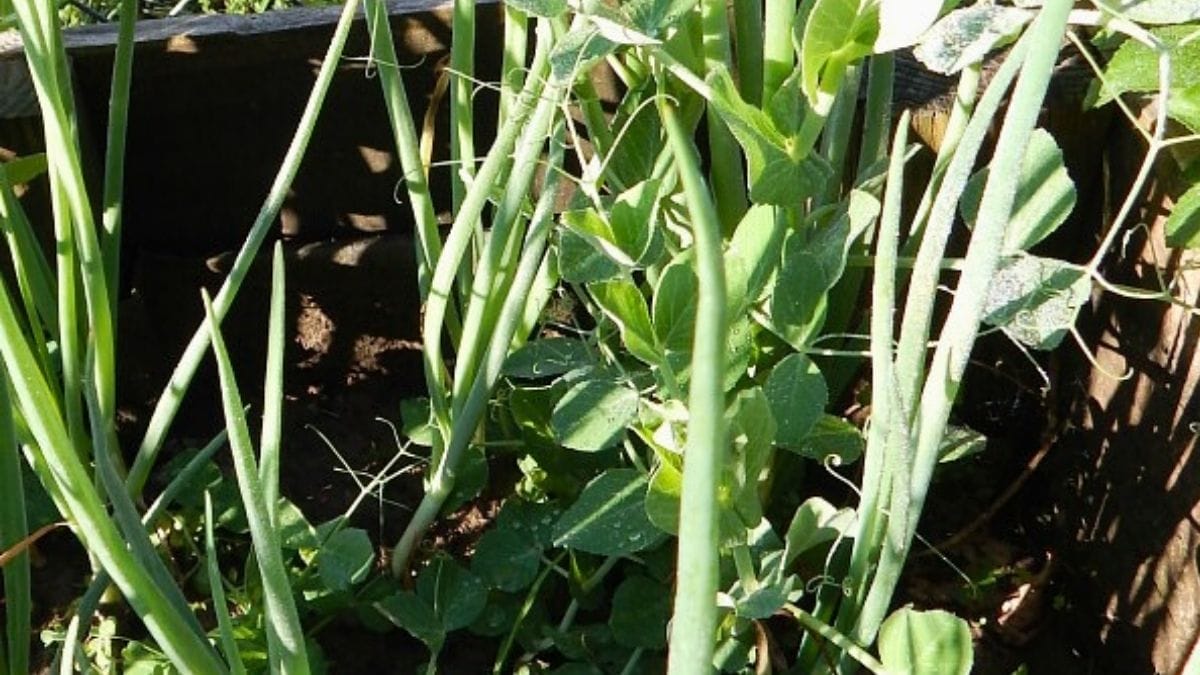
Plants share nutrients differently, and some release natural compounds that strengthen their neighbors. Onions improve the flavor and health of nearby carrots, while beans add nitrogen to the soil, helping leafy greens thrive.
Space and Efficiency
A chart helps you maximize your garden space—especially in raised beds or small gardens. Instead of guessing what fits where, you can strategically place plants that get along.
Pollinator Support
Some herbs and flowers attract bees and butterflies, boosting pollination. Planting companions like borage, lavender, or dill near veggies increases yields naturally.
Less Trial and Error
Companion planting takes the guesswork out of garden planning. Instead of learning the hard way, you can skip the mistakes and plant combinations that have been proven to work.
What You’ll Find in the Free Chart
Your Free Companion Planting Chart is designed to be straightforward, beginner-friendly, and practical. It can be printed in color or black and white and works as a quick-glance guide for:
Vegetables
Tomatoes
Peppers
Lettuce
Carrots
Beans
Onions
Cucumbers
Squash
Broccoli
Corn
Radishes
Herbs
Basil
Chives
Dill
Flowers
Marigolds
Nasturtiums
How to Use the Companion Planting Chart
Using the chart is simple, and it works for any garden style—raised beds, rows, containers, or even a backyard preschool garden.
Step 1: Identify What You Want to Grow
Make a list of your main crops. Tomatoes, peppers, cucumbers, and greens are common starters.
Step 2: Check the Chart for Their “Friends”
Look up each vegetable and note its beneficial neighbors.
Step 3: Group Compatible Plants Together
Create garden bed sketches based on plant relationships. For example:
- Bed 1: Tomatoes, basil, onions, marigolds
- Bed 2: Lettuce, carrots, radishes
- Bed 3: Cucumbers, dill, nasturtiums
- Bed 4: Beans, corn, squash
Step 4: Avoid Problem Pairings
If the chart shows a plant is incompatible with another, keep them in separate beds or different containers.
Step 5: Keep the Chart Handy
Laminate it, tape it to a garden shed door, or keep it in your garden binder. You’ll use it often!
Companion Planting Examples You’ll Love
If you’re new to companion planting, here are a few real-world examples of combinations that work amazingly well.
Tomatoes and Basil
This classic pairing isn’t just delicious on your plate—it works wonders in the garden. Basil helps repel tomato hornworms and improves tomato flavor.
Cabbage Family Plants and Nasturtiums
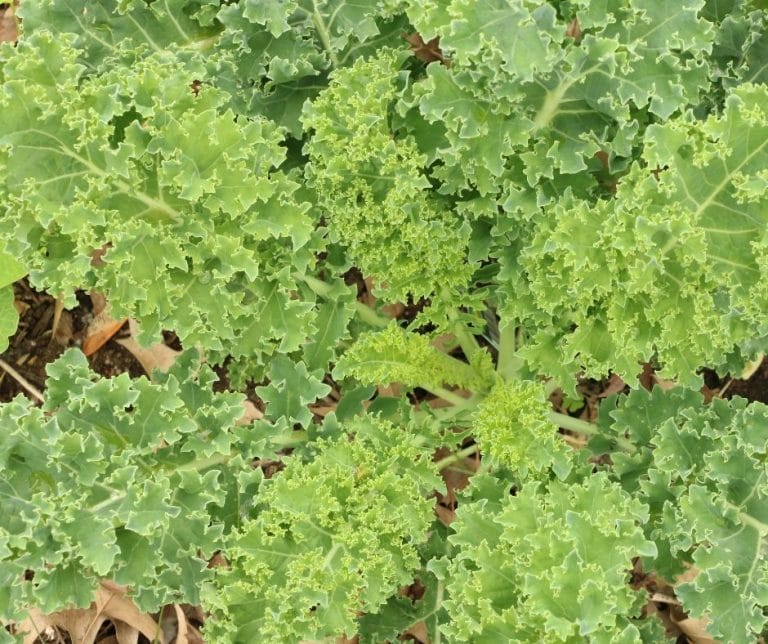
Cabbages, broccoli, and kale attract aphids. Nasturtiums act as a trap crop, drawing pests away from your veggies and onto their leaves instead.
Beans and Corn
Beans climb the strong stalks of corn while fixing nitrogen in the soil—feeding both crops.
Carrots and Onions
Onion scent helps hide carrot smells from carrot flies. This pairing keeps roots strong and pest-free.
Cucumbers and Dill
Dill attracts beneficial insects that protect cucumber vines from pests like cucumber beetles.
Perfect for Beginners, Kids, and Busy Gardeners
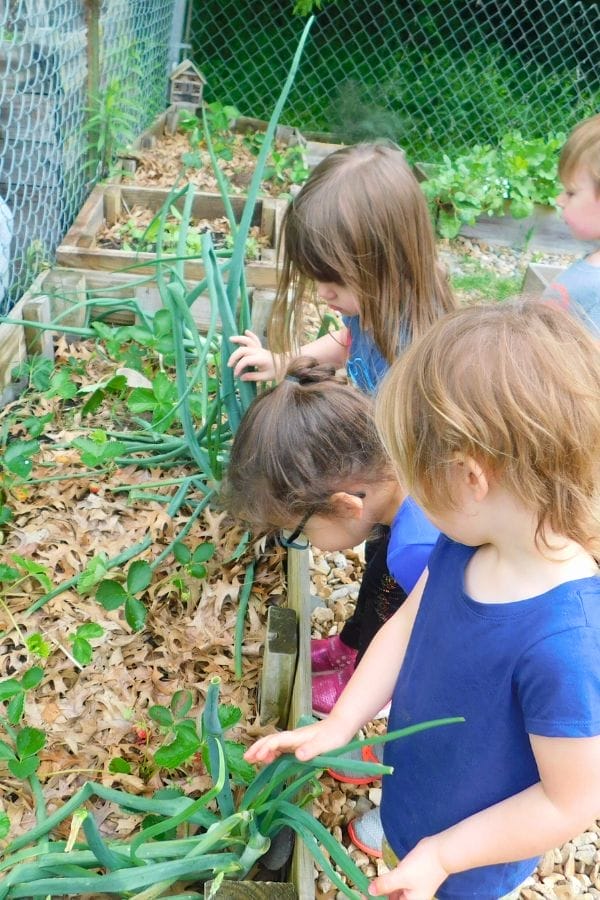
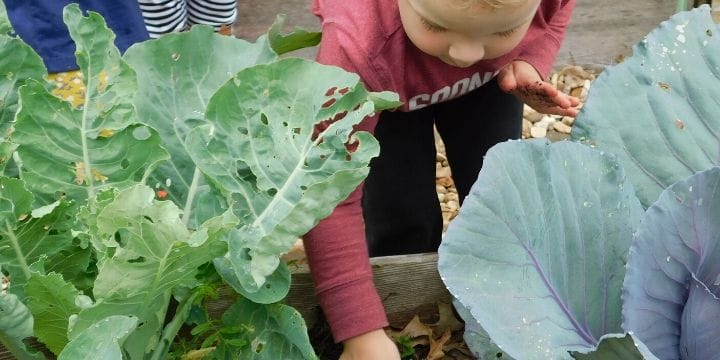
One reason I love sharing companion planting charts is because they’re ideal for families, new gardeners, and anyone who wants to grow food without stress. When gardening with kids, they naturally make observations like “the bees like these flowers best” or “these leaves don’t look so good.” Companion planting gives them simple tools to help make the garden successful.
If you run a daycare garden like I do, your chart helps plan planting day, pair plants logically, and let little hands help water and harvest without worrying about harmful chemicals.
Download Your Free Companion Planting Chart
Ready to start planning your garden with confidence? Download your Free Companion Planting Chart below and use it all season long. You can print it, save it to your phone for quick reference at the garden center, or add it to your homeschool or daycare curriculum.


There is no link to the chart! 🥲
Hi Ginalaree, I’m sorry you’re having difficulty. At the end of the post there is a download button, you click it there. I hope you can find it, if not, I can email it to you!