How to Choose Seeds for your Vegetable Garden
Growing your own food can give you a better life and seeds are where it all begins. But how do you choose seeds for your vegetable garden?
This category contains all things gardening, gardening with kids, vegetable gardening, gardening tips and information, grow your own food, growing chemical free, sustainable gardening, organic gardening.

Growing your own food can give you a better life and seeds are where it all begins. But how do you choose seeds for your vegetable garden?

If you have a few scraps or end pieces of wood around you can build a DIY potato tower for your vegetable garden. It’s much easier to harvest and a lot of fun.
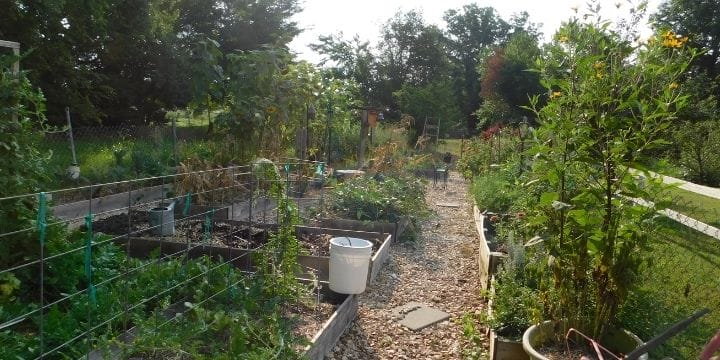
Planting your first vegetable garden is not as hard as you might think. Check out these 10 easy steps to get you growing.

The dirty secret to success in the garden is having great garden soil. It usually doesn’t happen naturally, it takes a little time to build great soil.

There are so many gorgeous vegetable garden plants that you can tuck into your front yard landscaping. You can replace many typical plants in the flower bed with beautiful edibles.
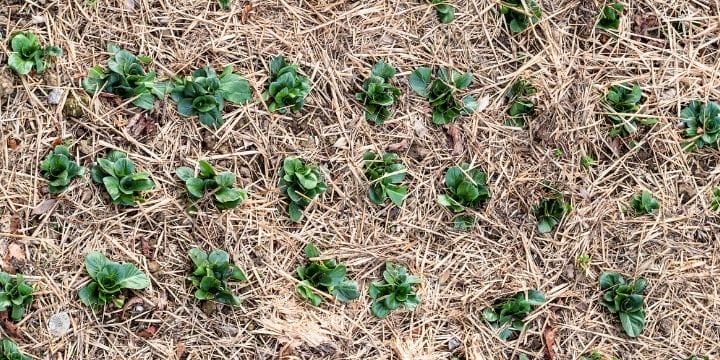
Winter is coming soon, so preparing raised beds for winter is the next step in the garden. There are a few things you can do to make your spring garden far more productive.
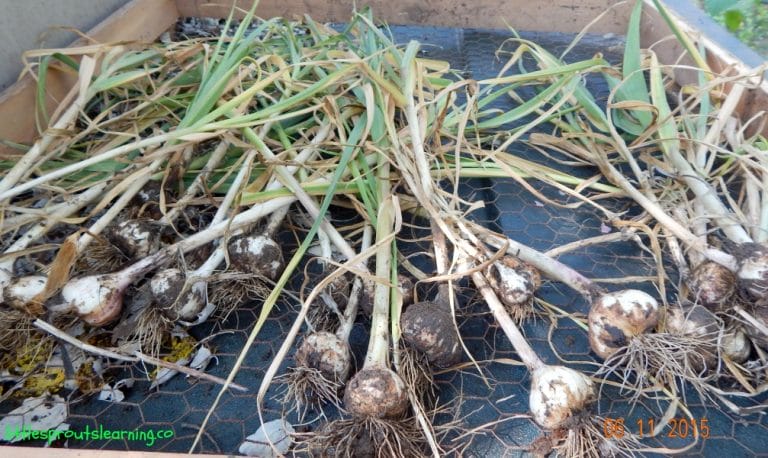
Grow your own garlic? Why would anyone want to grow garlic when it’s right there at the store? It might surprise you that they treat garlic with chemicals to keep it from sprouting? Do you know what those chemicals do to your body? Me either. No thanks.
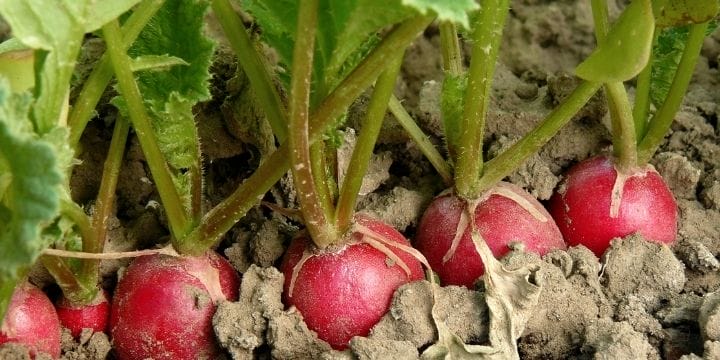
Companion planting is growing things together that help each other with a symbiotic relationship. Learn what the best plants are to plant with radishes.
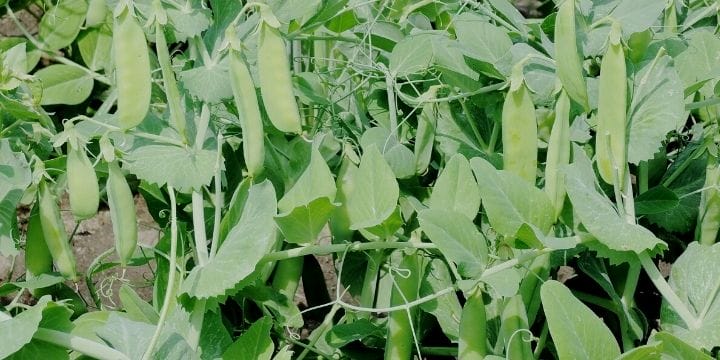
Carrots love tomatoes but all veggies don’t grow well together. Companion planting is growing things that thrive together and help each other. Here are some companion plants for peas.

Brussel sprouts are a fun and delicious addition to the vegetable garden. They grow in the cool weather. Brussel sprouts are easiest grown from seedlings rather than direct sowing seeds into the ground. They grow on a main stem in a spiral pattern.