10 Easy Steps to Planting your First Vegetable Garden
This page may contain affiliate links. Learn More.
10 easy steps to planting your first vegetable garden! Learn simple beginner-friendly tips to grow fresh vegetables with confidence. Gardening for beginners is lots of fun!

Learning where to start can seem daunting, but you can do this. Just a little planning and some elbow grease, and you’ll be growing food in no time.
Steps to plant a garden
- For your first vegetable garden, you’ll have to start with choosing a site. The location needs full sun, access to water, and plenty of space that is within sight of where you’ll be part of the day. There’s nothing worse than a garden you can’t keep your eyes on. You’ll forget and that garden will be lost.
2. Decide what to grow. What do you like to eat? What grows well in your area? If you hate turnips, don’t grow them. You’ll want to enjoy eating what you produce in your garden. Also, think about the ease of growing. Choose some of the easiest plants to grow from this list.
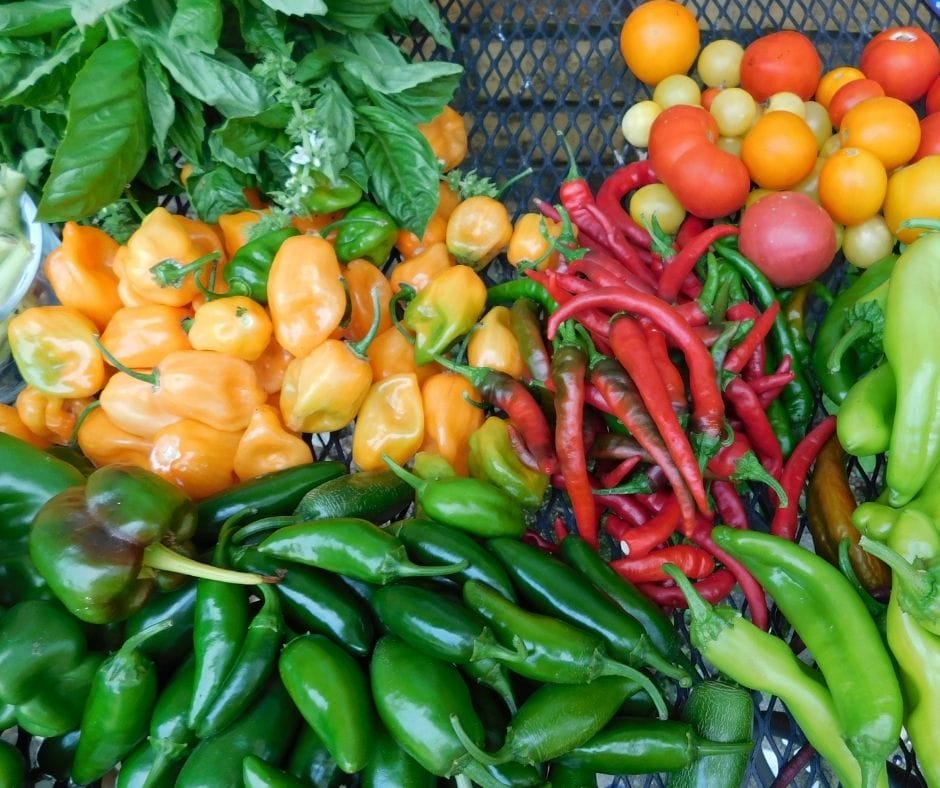
3. Make a list of what you decide to grow and see when it grows in your area. Draw a map of your garden and add plants to see what you’ll be able to fit.
My first vegetable garden
4. Check planting dates and make a schedule for when you need to plant what. You don’t plant everything at the same time. Planting times are listed on seed packets. Seed catalogs are a wealth of information for when things grow. If you live in zone 7 or one close to that, check out this month by month planting guide to help you.
5. Prepare your soil. You can get your soil tested to see what it needs. All soil needs organic matter, so add some compost. It’s easier to add this in the fall and let it get churned in by the worms than to have to till it in yourself, but you do what works for you. Check out the dirty secrets to soil success here.
Steps to planting seeds
6. Plant seeds or plants. Follow your schedule and put seeds in the ground according to the depth and spacing the packages or seedling markers indicate. Don’t make the mistake of trying to put in too much; you’ll get fewer things to harvest if your garden is too overcrowded.
7. Some plants are better planted as seedlings, such as tomatoes and peppers. Plant seeds twice as deep as they are wide, so if you have a tiny seed, just sprinkle soil over the top; if you have a large seed, make a hole and bury it deeper. Plant seedlings at the same soil line they are in their pots, with the exception of tomatoes, plant those deeper.
8. Once your seeds, tubers, sets, or plants are planted, add water. For how much water your garden needs, check this out. Make sure when it gets hot, you are watering more. Too much or too little water is the worst thing for your garden. Don’t water too hard; use a gentle spray.
9. Keep an eye on weeds. Make sure Bermuda grass doesn’t choke out your veggies. Weed early and often for best results. Here is more about weeding without using chemical sprays.

10. Most beginner gardeners think they need expensive raised beds, perfect soil, or a giant backyard. You really don’t. Some of our best gardens started in tiny spaces with cheap seeds and homemade compost.
Basic Supplies for a Beginner Vegetable Garden
You don’t need fancy equipment to start a vegetable garden. A few simple supplies can get you growing successfully.
Garden Basics
- Vegetable seeds or starter plants
- Compost or organic matter
- Mulch
- Garden hose or watering can
- Hand trowel
- Shovel
- Garden gloves
Helpful Extras
- Tomato cages or plant supports
- Garden labels or markers
- Wheelbarrow or bucket
- Pruners or scissors
- Seed starting trays
- Raised beds or containers (optional)
Soil Helpers
- Compost bin or compost pile
- Fish emulsion or organic fertilizer
- Soil test kit
Easy Ways to Save Money
- Reuse containers for seed starting
- Make your own compost
- Swap seeds with friends
- Use sticks or branches as plant supports
- Save seeds from your harvest for next year
Remember, you can start simple and add more over time. Some of the best gardens begin with just a few seeds, a shovel, and a little determination.
7 Mistakes First-Time Gardeners Make
1. Planting Too Much
Almost every new gardener gets excited and plants way more than they can handle. A few zucchini plants alone can feed a neighborhood! Start small so you can keep up with watering, weeding, and harvesting.
2. Planting at the Wrong Time
Tomatoes and peppers hate cold weather, while lettuce and spinach struggle in summer heat. One of the biggest gardening secrets is learning when each crop grows best in your area.
3. Forgetting to Water Consistently
Too much water and too little water can both cause problems. Plants like consistency. Deep watering a few times a week is usually better than a quick sprinkle every day.
4. Planting Things Too Close Together
Tiny seedlings don’t look like they need much room, but those little plants grow fast. Crowded plants compete for nutrients, airflow, and sunlight, which can lead to disease and poor harvests.
5. Ignoring Weeds Early
Small weeds become giant weeds quickly. Pulling weeds while they’re tiny saves a ton of work later and keeps them from stealing nutrients and water from your vegetables.
6. Giving Up Too Soon
Every gardener kills plants sometimes. Seeds fail. Bugs attack. Weather happens. Gardening is learned through experience, and every season teaches you something new.
7. Not Checking the Garden Daily
A quick walk through your garden every day makes a huge difference. You’ll spot weeds, pests, dry soil, or ripe vegetables before they become bigger problems. Plus, it’s one of the best parts of gardening.
If your plants turn yellow or get spindly, they may need more nutrients. You can water them with fish emulsion or compost tea for a quick boost. You can top dress with more compost and let the water rinse that in slowly. You can also do another soil test for what nutrients may be missing.
Lastly, it’s time to harvest. This is the most fun part of gardening. How to know when your produce is ripe will be a big help for you, so check it out here. It’s fun to weigh and photograph your gorgeous food to remember what you did year over year.
Here is a guide to saving as much as you can of what you grow for use, even when you have an excess of something. If you can’t use it all, be sure to share with those who don’t grow or can’t afford food at all. The homeless shelter and soup kitchens will be glad to take anything grown in the garden.
I hope you fall in love with gardening as we have at Little Sprouts. We LOVE trying to grow as much of our own food for the year as we can. Some years we grow 1,000 pounds, some years a few hundred. But I love knowing how healthy and fresh that food is and exactly how it was grown.
And my kids learn a ton from growing it. For the benefits of gardening with kids, click here.
Beginner Vegetable Garden FAQ
What vegetables are easiest for beginners to grow?
Some of the easiest vegetables for beginner gardeners are green beans, zucchini, radishes, lettuce, tomatoes, and herbs. They grow quickly and are pretty forgiving while you learn.
How big should my first vegetable garden be?
Start smaller than you think you need. A garden that is too large can become overwhelming fast. A simple 4×8 raised bed or a small row garden is a great place to begin.
Is it cheaper to grow your own vegetables?
It can be! Gardening helps save money, especially when growing expensive produce like tomatoes, herbs, peppers, lettuce, and green beans. Plus, homegrown food tastes far better than store-bought.
Should beginners use seeds or plants?
Both work well. Some crops are easier from seeds like beans, lettuce, carrots, and radishes. Others are easier from starter plants like tomatoes and peppers.
How much sun does a vegetable garden need?
Most vegetables need at least 6–8 hours of full sun each day to grow well and produce lots of food.
What month should I plant my vegetable garden?
That depends on your growing zone and what you’re planting. Cool-weather crops grow best in spring and fall, while warm-weather crops like tomatoes and peppers need warmer temperatures.
How often should I water my vegetable garden?
Gardens usually need about 1 inch of water per week, but during hot summer weather, they may need more. Deep watering is better than shallow watering every day.
What if my soil is bad?
Don’t worry! Most soil can be improved with compost and organic matter. Healthy soil is one of the biggest secrets to a successful garden.
Do I need raised beds to grow vegetables?
Nope! Raised beds are helpful, but many vegetables grow wonderfully right in the ground or even in containers.
What vegetables grow fastest?
Radishes, lettuce, green beans, and zucchini are some of the fastest-growing vegetables and are very rewarding for beginners.
What if bugs eat my plants?
Every gardener deals with pests sometimes. Healthy soil, companion planting, hand-picking bugs, and checking your plants daily can help prevent major problems.
Can kids help with gardening?
Absolutely! Kids love planting seeds, watering, harvesting vegetables, and watching plants grow. Gardening teaches science, responsibility, patience, and healthy eating habits.