
Budget-Friendly Preschool Garden Setup: How to Start with Little Money
This page may contain affiliate links. Learn More.
Create a budget-friendly preschool garden setup with simple, affordable ideas that make gardening fun, easy, and educational for young kids.

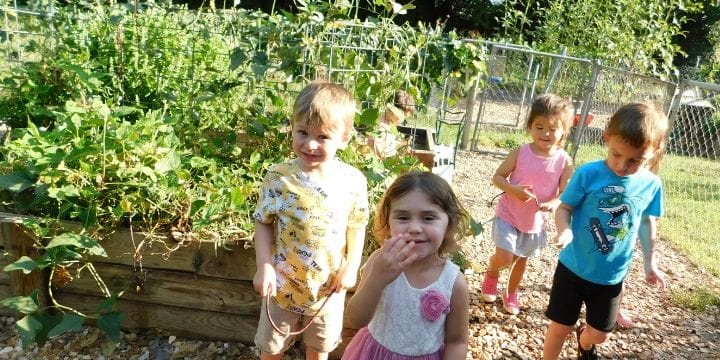
Starting a preschool garden might sound expensive, but it doesn’t have to be. In fact, some of the best gardens I’ve seen—including ours—were built with simple, low-cost materials and a lot of creativity. Kids don’t need fancy setups to learn how plants grow. They need dirt, seeds, water, and the chance to explore.
Whether you’re running a home daycare, teaching preschool, or gardening with your own kids, you can create a meaningful, hands-on garden space without spending a lot of money.
Why Start a Preschool Garden on a Budget?
A budget-friendly preschool garden keeps the focus where it belongs—on learning, curiosity, and connection with nature. When you keep things simple, kids are more involved. They dig, plant, water, and discover instead of just watching.
Gardening teaches responsibility, patience, and where food comes from. It also builds confidence as children see the results of their care grow right in front of them.
Choose a Simple Garden Location
You don’t need a large space to start. A small patch of ground, a few containers, or even a corner of your yard can work perfectly.
Look for a spot that gets at least 6 hours of sunlight each day. Make sure it’s easy for kids to access so they can participate daily. Being close to a water source also makes things much easier.
If space is limited, container gardening is a great option and often more manageable for young children.

Use What You Already Have
Before buying anything, take a look around. You might already have what you need to get started.
Old buckets, plastic bins, storage containers, and even recycled food containers can all be used for planting. Just add drainage holes, and they’re ready to go.
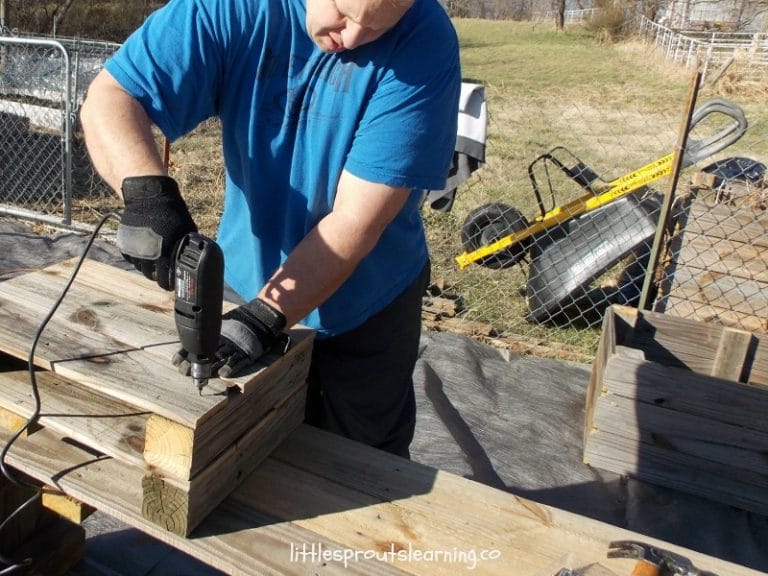
You can also repurpose items like wooden crates, tires, or leftover lumber to create garden beds.
Start with Easy-to-Grow Plants
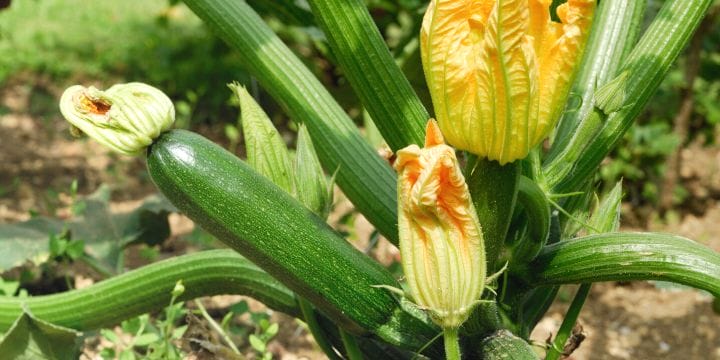
When gardening with preschoolers, success matters. Choose plants that grow quickly and are easy to care for.
Great options include:
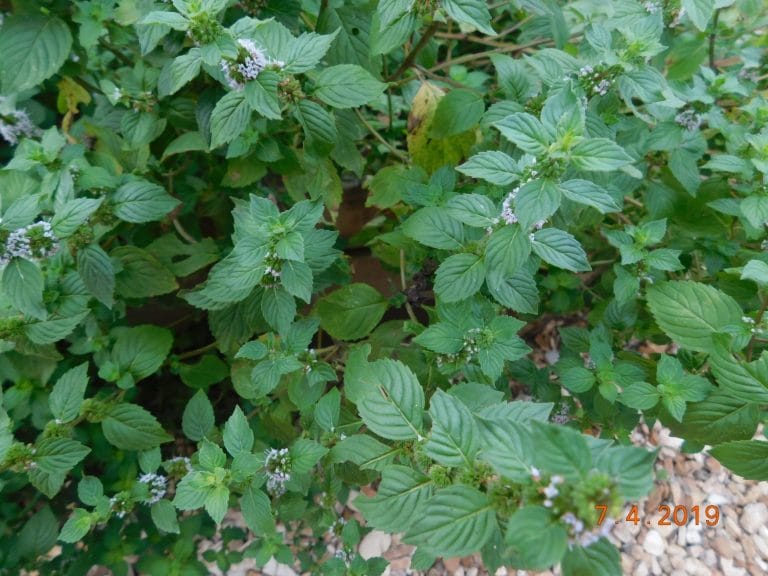
Herbs like basil and mint are also fun because kids can smell and taste them.
Keep Tools Simple and Kid-Friendly
You don’t need a full set of gardening tools. A few basics are enough.
Small hand trowels, watering cans, and even plastic cups can work well for young children. Kids love using tools that are just their size, but they’re also happy to improvise.

Focus on Soil Health
Healthy soil makes a big difference, but it doesn’t have to cost a lot.
You can improve your soil by adding compost. Kitchen scraps like fruit and vegetable peels, along with yard waste, can be turned into rich soil over time.
If you need to buy soil, start small and build up gradually.
Make Watering Easy
Watering is one of the most exciting jobs for kids, but it needs to be manageable.
Use small watering cans so children can help without making a mess. You can also use a simple hose with a gentle spray setting.
Teaching kids when and how much to water is part of the learning process.

Add Simple Learning Elements
A preschool garden is more than just planting—it’s a place for discovery.
You can add simple, low-cost learning elements like:
- Plant markers made from popsicle sticks or window shade slats
- Painted rocks to label plants
- A small garden journal for drawing and observation
Check out this printable garden journal for kids from Mama on the Homestead. So cute!

These little touches help turn your garden into an interactive learning space.
Create a Daily Garden Routine
Consistency helps kids stay engaged. Build garden time into your daily routine, even if it’s just a few minutes.
Check on plants, water if needed, and talk about what’s changing. These small daily interactions are what make the biggest impact.
Expect Mess—and Embrace It
Gardening with kids is messy. Dirt will get everywhere, and that’s okay.
Mess is part of the experience. It means kids are exploring, learning, and connecting with the world around them.
Grow Food Kids Will Actually Eat
One of the best parts of a preschool garden is watching kids try foods they helped grow.
When children plant, care for, and harvest something themselves, they’re much more likely to taste it. Even picky eaters often surprise you.
Keep Expanding Over Time
You don’t need to do everything at once. Start small and grow your garden over time.
Add new plants, containers, or features as you go. This keeps costs low and lets you learn what works best for your space and your kids.
Build Confidence Through Gardening
A preschool garden isn’t just about plants—it’s about people.
Kids learn that their actions matter. They see that when they take care of something, it grows. That sense of responsibility and pride is something they carry with them.
If you want to read the full story of how we got started growing our own food at Little Sprouts and get all the basics to start yourself, check this out. The Journey of the Little Sprouts: A Guide for Growing a Better Tomorrow.
Make It Fun and Flexible
There’s no “perfect” preschool garden. Some plants will thrive, and others might not. That’s all part of the process.
Keep things fun, flexible, and focused on the experience rather than perfection.
Start Where You Are
You don’t need a big budget or a perfect plan to start a preschool garden. You just need to begin.
Use what you have, keep it simple, and let the kids lead the way. The lessons they learn—and the memories you create—are worth far more than anything you could buy.
Saving Money in the Preschool Garden
Here are money saving ideas that we have used in our preschool garden at Little Sprouts: