
15 Easy Vegetables to Grow in Cooler Weather
This page may contain affiliate links. Learn More.
Discover 15 easy vegetables to grow in cooler weather. Learn which cool-season crops thrive in spring and fall for a longer harvest season in your garden.

Many people think vegetable gardening ends when summer temperatures begin to drop, but some of the best garden harvests actually happen during cool weather. In fact, many vegetables grow better in the crisp days of spring and fall than they do during the heat of summer.
Cool-season vegetables are often sweeter, more tender, and less likely to bolt or become bitter. They’re also easier to grow because they face fewer insect problems and don’t require as much watering as summer crops.
Whether you’re planting an early spring garden or extending your harvest into fall, these easy vegetables to grow in cooler weather will reward you with delicious, homegrown produce.
What Are Cool-Season Vegetables?
Cool-season vegetables are plants that thrive when temperatures stay between 40°F and 75°F. Many can even survive light frosts, making them perfect for early spring and fall gardens.
Unlike tomatoes, peppers, and cucumbers that love hot weather, these vegetables often struggle once summer temperatures climb above 80°F.
Some even become sweeter after a light frost because they convert starches into natural sugars.

Why Grow a Cool-Season Garden?
There are plenty of reasons to plant vegetables during cooler weather.
Benefits include:
- Fewer insect pests
- Less watering
- Better flavor
- Longer harvest season
- Lower risk of heat stress
- More garden productivity
- Many crops survive light frost
If you’ve never planted a fall garden, you may be surprised at how productive it can be. And cool weather gardening is so much more pleasant than toiling the soil in the blistering heat of summer.
1. Lettuce
Lettuce is one of the easiest vegetables for beginners.
It germinates quickly, grows fast, and can be harvested multiple times using the “cut-and-come-again” method.
Popular varieties include:
- Romaine
- Butterhead
- Leaf lettuce
- Oakleaf
- Red leaf
Plant new seeds every two weeks for a continuous harvest.
2. Spinach
Spinach absolutely loves cool weather.
In fact, spring and fall produce the sweetest leaves.
It grows quickly and can tolerate temperatures well below freezing once established.
Harvest outer leaves while allowing the center to continue producing.
3. Kale
Kale is one of the toughest vegetables you can grow.
It easily survives frost and often tastes sweeter afterward.
Popular varieties include:
- Curly kale
- Lacinato (Dinosaur kale)
- Red Russian kale
Harvest the outer leaves first for months of production.
4. Radishes
Few vegetables grow faster than radishes.
Many varieties mature in only 25 to 30 days.
They’re excellent for children because they grow so quickly. They get that instant gratification and it helps them learn what gardening is all about.
Successive plantings every two weeks provide a continuous harvest.

5. Carrots
Carrots are another cool-weather favorite.
Cool soil produces sweeter roots than hot summer conditions.
Loose, rock-free soil helps carrots grow long and straight.
Leave them in the garden after a light frost for even sweeter flavor.
6. Beets
Beets are one of the most versatile vegetables.
You can eat:
- The roots
- The greens
Young beet greens are delicious in salads, while mature roots roast beautifully.
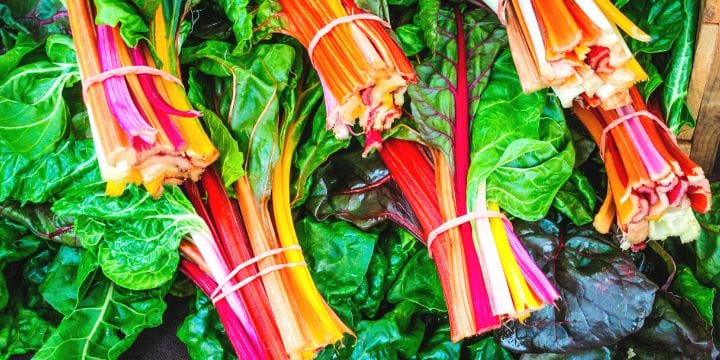
7. Swiss Chard
Swiss chard combines beauty and productivity.
Its colorful stems brighten the garden while producing nutritious leaves for months.
Unlike spinach, Swiss chard tolerates both cool and warm weather fairly well.
8. Broccoli
Broccoli grows much better in cool weather than during hot summers.
Many gardeners actually have better luck with fall broccoli because temperatures are more consistent.
Harvest the main head first, and many varieties will continue producing smaller side shoots.
9. Cabbage
Cabbage thrives in cool weather.
It requires a longer growing season than leafy greens but rewards gardeners with large, dense heads perfect for:
- Coleslaw
- Soups
- Stir fry
- Sauerkraut
10. Cauliflower
Cauliflower is slightly more challenging but still worth growing.
Cool temperatures help produce tight, white heads.
Consistent watering is the key to success.
11. Brussels Sprouts
Brussels sprouts require patience.
They often improve dramatically after several frosts.
Many gardeners intentionally wait until after frost to harvest because the sprouts become sweeter.
12. Turnips
Turnips grow quickly and provide two harvests in one.
Both the roots and leafy greens are edible.
Young turnips are especially mild and tender.
13. Mustard Greens
Mustard greens add a peppery bite to salads and cooked dishes.
Like many leafy greens, they become milder after cool weather arrives.
14. Collard Greens
Collards are incredibly productive and tolerate frost well.
Many Southern gardeners harvest them throughout the winter.
The leaves become sweeter after cold weather.
15. Green Onions
Green onions are easy to grow from seed or sets.
They require very little space and are perfect for containers or raised beds.
Harvest them whenever they reach the desired size.
Bonus Cool-Season Crops
Don’t overlook these other great options:
- Arugula
- Bok choy
- Pak choi
- Mizuna
- Tatsoi
- Kohlrabi
- Peas
- Cilantro
- Parsley
- Dill
Many herbs actually prefer cooler temperatures.
Tips for Growing Cool-Season Vegetables
Plant at the Right Time
Start early enough in spring or late enough in summer so plants mature during cooler temperatures.
Improve Your Soil
Work compost into your beds before planting.
Healthy soil produces healthier vegetables.
Keep Seeds Moist
Late-summer plantings often require daily watering until seeds germinate.
Use Mulch
Mulch keeps soil cooler and conserves moisture.
Protect Against Hard Freezes
Although many cool-season crops tolerate frost, row covers help protect them during severe cold snaps.
Frequently Asked Questions
Which vegetable is easiest for beginners?
Leaf lettuce, radishes, spinach, and green onions are among the easiest vegetables for new gardeners.
What vegetables survive frost?
Kale, spinach, carrots, collards, Brussels sprouts, cabbage, and turnips all tolerate light frosts.
Can I grow vegetables all winter?
In many mild climates, yes. Using row covers or cold frames extends the growing season even further.
Why do cool-weather vegetables taste sweeter?
Cold temperatures encourage many vegetables to convert stored starches into sugars, improving flavor.
Can I grow these in containers?
Absolutely! Lettuce, spinach, radishes, kale, Swiss chard, and green onions all grow beautifully in containers.
What vegetables should not be planted in cool weather?
Warm-season crops like tomatoes, peppers, cucumbers, squash, melons, and okra need consistently warm temperatures and should wait until after the danger of frost has passed.
Growing easy vegetables in cooler weather is one of the best ways to enjoy fresh produce for more of the year. Many cool-season crops are easier to grow than summer vegetables, require less maintenance, and reward gardeners with sweeter, more flavorful harvests.
Whether you’re planting a spring garden, starting a fall garden, or simply looking to extend your growing season, adding cool-weather vegetables to your garden is a simple way to harvest more food from the same space. With a little planning, you can enjoy fresh salads, hearty greens, crunchy root vegetables, and homegrown herbs long after summer has faded.