How to Grow Marigold Flowers in Your Vegetable Garden
This page may contain affiliate links. Learn More.
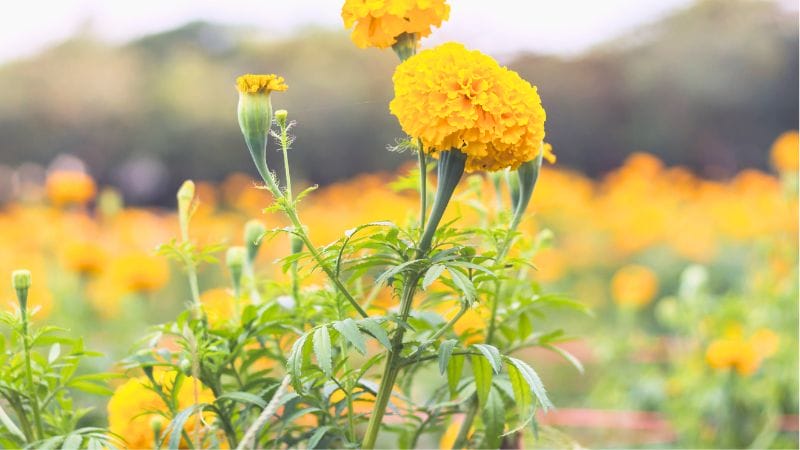
Marigolds are a popular choice for vegetable gardens because they are easy to grow, add vibrant color, and offer natural pest control benefits. Even beginning gardeners can grow them without fail. Here’s a step-by-step guide to how to grow marigold flowers in your vegetable garden.

Reasons To Grow Marigolds In The Vegetable Garden
Marigolds are a beneficial addition to vegetable gardens for several reasons. They act as natural pest repellents, deterring harmful insects like aphids, nematodes, and whiteflies. Their bright colors attract beneficial insects such as ladybugs and bees, which help with pollination and controlling pest populations.
Marigolds also improve soil health by releasing natural compounds that suppress harmful nematodes, which can damage vegetable roots. Additionally, their roots secrete substances that inhibit the growth of certain weeds, reducing competition for nutrients.
They are easy to grow and can adapt to various soil conditions, making them a versatile choice for gardeners. They are especially well suited to grow in Oklahoma gardens. The vibrant flowers also add aesthetic value to the garden, creating a more pleasant and inviting environment. Furthermore, marigolds can be used in companion planting to protect more vulnerable crops, enhancing overall garden productivity.
Their ability to thrive in warm climates makes them particularly suitable for regions with hot summers. Lastly, marigolds are known to have anti-fungal properties, which can help in preventing diseases that affect vegetable plants.
Whether you grow marigold plants or sow seeds, they are easy to grow, grow all through the growing season, are great companion plants, and make your garden beds look great. There are several varieties of marigolds so you can find the ones you like the best if you want taller varieties or more compact bushy plants. And you can save the seeds easily to regrow them the following year.
They are a powerhouse in the garden and give you annual flowers that never stop! Planting marigolds will pay off in spades and they also withstand strong winds, dry spells, and humid summers like we have in Oklahoma. They are a great choice for your flower beds and vegetable gardens. So grab some new plants or seed packets at the garden center next time you are there and enjoy the lacy leaves and sweet flowers all season long.

Types of Marigold
There are different types of marigolds and each one has their own benefits and uses.
- French Marigolds (Tagetes patula): Compact and bushy, ideal for borders.
- African Marigolds (Tagetes erecta): Taller and larger flowers, great for background planting.
- Signet Marigolds (Tagetes tenuifolia): Small, edible flowers with a citrusy scent.
How to Grow Marigolds From Seed
Selecting the Planting Site:
- Sunlight: Marigolds thrive in full sun, needing at least 6 hours of direct sunlight per day.
- Soil: Well-draining soil is essential. Marigolds are not very particular about soil quality but do best in moderately fertile soil.
Preparing the Soil:
- pH Level: Marigolds prefer slightly acidic to neutral soil (pH 6.0-7.0).
Planting Marigold Seeds or Seedlings:
- Seeds:
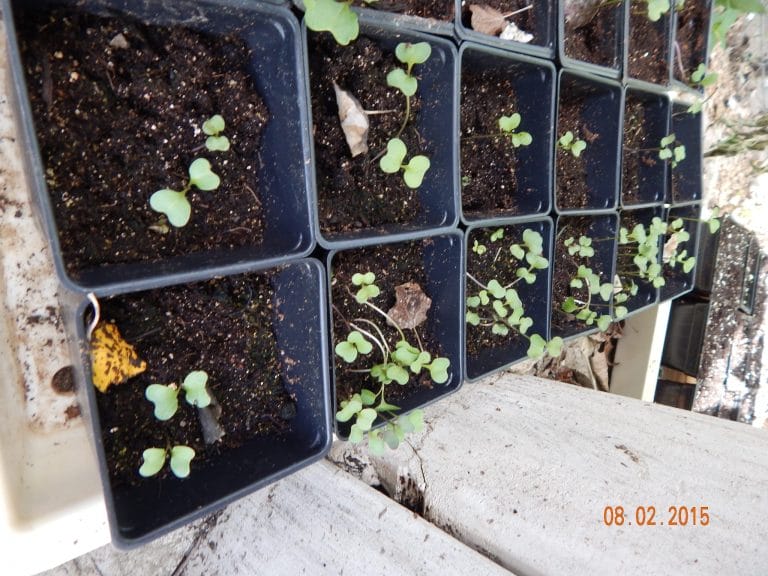
- Timing: Start seeds indoors 4-6 weeks before the last frost date or sow directly outdoors after the last frost.
- Depth: Plant seeds about 1/4 inch deep.
- Spacing: Space seeds 6-12 inches apart, depending on the variety.
- Seedlings:
- Transplanting: Transplant seedlings outdoors after the danger of frost has passed.
- Spacing: Space plants 8-18 inches apart, depending on the variety.

Marigold Care
Watering and Care:
- Watering: Keep the soil consistently moist but not waterlogged. Water at the base of the plant to prevent fungal diseases.
- Mulching: Apply a layer of mulch around the plants to retain moisture and suppress weeds.
- Feeding: Marigolds generally do not require heavy feeding. A light application of balanced fertilizer at planting time is sufficient.
Companion Planting Benefits:
- Pest Control: Marigolds help deter pests like nematodes, aphids, and whiteflies. Plant them near tomatoes, peppers, beans, and squash.
- Pollinator Attraction: Marigolds attract beneficial insects like ladybugs, lacewings, and pollinators such as bees and butterflies.
Pruning and Deadheading:
- Deadheading: Regularly remove spent flowers to encourage continuous blooming and prevent the plant from going to seed too early.
- Pruning: Trim back overgrown plants to maintain their shape and promote bushier growth.
Dealing with Pests and Diseases:
- Aphids and Spider Mites: Use insecticidal soap or neem oil if infestations occur.
- Fungal Diseases: Ensure proper spacing for good air circulation and avoid overhead watering to reduce the risk of fungal infections.
Harvesting and Seed Saving:
- Flower Harvesting: Marigolds can be harvested for cut flowers. Cut the stems in the morning when flowers are fully open.
- Seed Saving: Allow some flowers to mature and dry on the plant. Collect seeds from dried flower heads and store them in a cool, dry place for planting next season.
By following these steps, you can successfully grow marigold flowers in your vegetable garden, enhancing both the beauty and health of your garden ecosystem.

Edible Flowers
Marigolds are actually edible flowers. Marigolds (Tagetes species) have been used in culinary applications for their vibrant colors and distinct flavors. Here are a few ways marigolds can be used:
- Salads: Marigold petals can add color and a slightly peppery taste to salads.
- Garnishes: The bright petals make an attractive garnish for various dishes.
- Teas: Some people use marigold petals to brew herbal teas.
- Baking: The petals can be incorporated into baked goods for a splash of color and a unique flavor.
However, it’s important to ensure that the marigolds are organically grown and free from pesticides if you plan to consume them. Additionally, not all marigold species are edible, so make sure to identify them correctly before use.
For more edible flower ideas, check these out: