
Home Daycare Room Ideas
This page may contain affiliate links. Learn More.
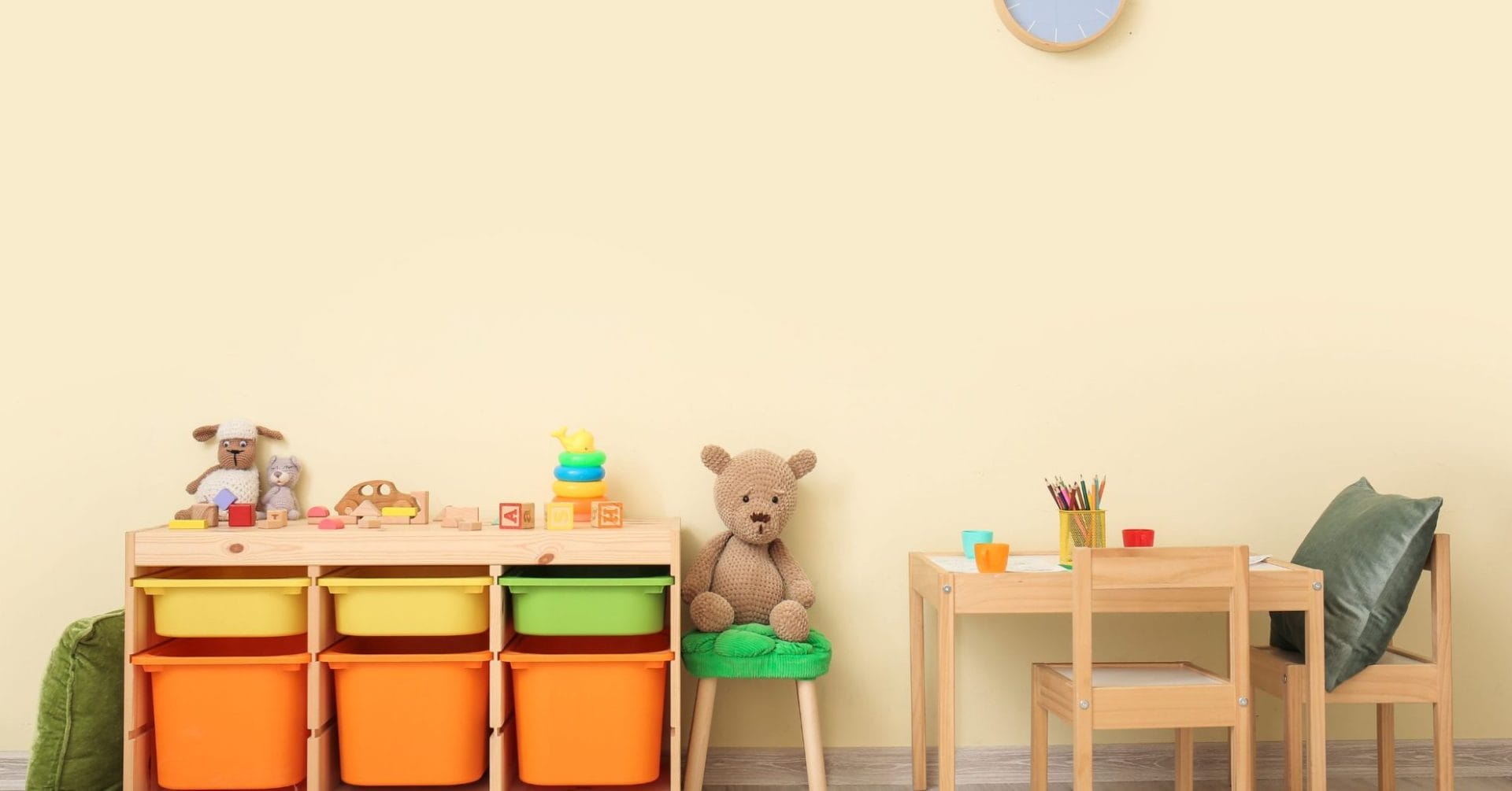
Designing home daycare room ideas requires careful consideration of both functionality and safety, while also creating a welcoming and stimulating environment for children. It’s an important part of running a home daycare well.

Daycare room ideas
Here are some ideas to help you set up a home daycare room:
- Safety First: Ensure the room is childproofed with safety gates, outlet covers, corner guards, and secure furniture. Remove any small objects or choking hazards, and ensure that all cleaning supplies and medications are stored out of reach.
- Defined Play Areas: Create distinct play areas within the room for different activities, such as a reading corner, art station, sensory table, and pretend play area. Use rugs, shelving units, and furniture to delineate each space.
- Comfortable Seating: Provide child-sized tables and chairs, floor cushions, and bean bags for comfortable seating options. Ensure that seating is appropriate for various activities, such as reading, art, and group play.
- Storage Solutions: Invest in storage solutions to keep toys, books, and supplies organized and easily accessible. Use bins, baskets, shelves, and labeled containers to store items neatly and encourage children to help with cleanup.
- Learning Materials: Stock the room with age-appropriate toys, games, books, and learning materials that promote development in various areas, such as fine motor skills, cognitive development, and social-emotional skills.
- Art and Creativity: Dedicate a space for arts and crafts activities, equipped with a variety of art supplies, including crayons, markers, paint, glue, and paper. Display children’s artwork on bulletin boards or walls to showcase their creativity.
- Sensory Play: Set up a sensory table or area with materials like sand, water, rice, or playdough for sensory exploration. Include sensory bins filled with items such as dried beans, pom-poms, or sensory balls for tactile stimulation.
- Pretend Play: Create a dress-up corner with costumes, props, and a play kitchen or tool bench for imaginative play. Rotate toys and props regularly to keep the area fresh and exciting for children.
- Quiet Space: Designate a cozy corner or area for quiet activities and relaxation, equipped with soft cushions, books, and calming sensory toys like stress balls or sensory bottles.
- Natural Elements: Incorporate natural elements into the room, such as plants, natural light, and wooden toys, to create a calming and inviting atmosphere.
- Parent Communication: Set up a communication area where parents can find information about the daycare program, daily schedules, menus, and upcoming events. Provide a bulletin board or digital platform for sharing updates and important announcements.

Small daycare room ideas
Designing a small home daycare room requires thoughtful planning to maximize space while ensuring functionality, safety, and a welcoming atmosphere. Here are some ideas tailored for a small home daycare room:
- Multipurpose Furniture: Choose furniture that serves multiple functions to optimize space usage. For example, consider using a table with storage underneath, convertible cribs that can also be used as playpens, or benches with built-in storage.
- Wall-Mounted Storage: Install shelves, hooks, and pegboards on the walls to maximize vertical storage space. Use these to store toys, books, art supplies, and other materials, keeping them off the floor and within easy reach.
- Foldable or Stackable Furniture: Utilize foldable or stackable furniture that can be easily stored away when not in use to free up floor space. Folding tables and chairs, collapsible playpens, and stackable storage bins are excellent options for small daycare rooms.
- Flexible Play Areas: Create flexible play areas that can be easily reconfigured to accommodate different activities and group sizes. Use rugs or mats to define play zones, and consider using portable room dividers or curtains to create separate spaces as needed.
- Neutral Color Palette: Choose a light and neutral color palette for the walls, furniture, and decor to visually expand the space and create a bright and airy atmosphere. Add pops of color with accessories, rugs, and soft furnishings to add visual interest without overwhelming the room.
- Wall-Mounted Activities: Install wall-mounted activity boards, such as magnetic boards, chalkboards, or whiteboards, to provide interactive play opportunities without taking up floor space. These can be used for drawing, writing, and educational games.
- Under-Bed Storage: If the room has a bed or crib, utilize the space underneath for storage bins or rolling drawers to store extra bedding, toys, or seasonal items. This maximizes storage without taking up additional floor space.
- Child-Sized Furniture: Opt for child-sized furniture that is proportionate to the room’s scale. Small tables and chairs, low shelves, and compact storage units are ideal for small daycare rooms and make it easier for children to access materials independently.
- Minimalist Approach: Embrace a minimalist approach to decor and furnishings, focusing on quality over quantity. Streamline toys and materials to essentials that support children’s development and interests, reducing clutter and maintaining a clean and organized environment.
- Outdoor Extension: If possible, create an outdoor play area or utilize nearby outdoor spaces for play and exploration. Outdoor play provides additional space for children to run, jump, and explore, helping to alleviate crowding indoors.
- Flexible Schedule: Implement a flexible schedule that incorporates rotating activities and outdoor playtime to allow children to move freely and engage in different experiences throughout the day, minimizing congestion in the daycare room.

Daycare infant room ideas
Designing an infant room in a daycare requires careful consideration of safety, comfort, and stimulation for the youngest children in your care. Here are some ideas for setting up an infant home daycare room in a daycare:
- Safe Sleep Area: Designate a quiet and cozy area for infants to nap. Provide individual cribs or bassinets with firm mattresses and fitted sheets. Follow safe sleep guidelines, including placing infants on their backs to sleep and ensuring a clear sleep environment free of blankets, pillows, or toys.
- Comfortable Feeding Area: Set up a comfortable and private area for feeding infants. Provide rocking chairs or gliders for caregivers to sit comfortably while feeding infants. Ensure that the area is well-stocked with feeding supplies, including bottles, formula, breast pumps, and bibs.
- Sensory Stimulation: Create a sensory-rich environment to engage infants’ senses and promote development. Use mobiles, soft toys, and colorful visual stimuli to stimulate their vision. Provide soft, textured mats and toys for tactile exploration. Play soft music or nature sounds to soothe and calm infants.
- Gentle Color Scheme: Choose a calming and neutral color scheme for the walls, furniture, and decor. Soft pastel colors or muted tones create a peaceful and soothing atmosphere for infants. Avoid bright or overly stimulating colors that may overwhelm or overstimulate young infants.
- Developmental Toys: Provide a variety of age-appropriate toys and materials to support infants’ development. Include soft plush toys, rattles, teething rings, and fabric books for sensory exploration and fine motor development. Rotate toys regularly to keep infants engaged and interested.
- Floor Space for Tummy Time: Dedicate a safe and clean area of the room for infants to engage in supervised tummy time. Use soft, padded mats or blankets to create a comfortable surface for infants to lie on. Encourage caregivers to interact with infants during tummy time to promote bonding and development.
- Storage Solutions: Utilize storage bins, baskets, and shelves to organize diapers, wipes, extra clothing, and other essential supplies. Keep supplies within easy reach of caregivers to facilitate efficient diaper changes and feeding routines.
- Visual Displays: Hang simple and visually appealing artwork or pictures at infant eye level to provide visual stimulation and interest. Choose images of faces, animals, or nature scenes that are soothing and engaging for infants to look at.
- Safety Measures: Install safety gates at room entrances to prevent infants from crawling into other areas of the daycare. Secure heavy furniture to the wall to prevent tipping. Ensure that electrical outlets are covered, and cords are safely secured and out of reach.
- Parent Communication Area: Create a designated area for parents to receive updates and information about their infant’s day. Provide a bulletin board or digital display for posting daily schedules, feeding and diapering logs, and important announcements.
Toddler daycare room ideas
Designing a toddler daycare room involves creating a safe, stimulating, and nurturing environment where toddlers can explore, learn, and play. Here are some ideas to help you set up a toddler home daycare room:
- Safe Play Zones: Divide the room into different play zones to accommodate various activities. Consider creating areas for gross motor play, fine motor activities, quiet time, and creative play.
- Soft Flooring: Use soft, padded flooring throughout the room to cushion falls and provide a safe surface for toddlers to crawl, walk, and play on. Foam mats or interlocking floor tiles are excellent options for creating a comfortable and safe play area.
- Child-Sized Furniture: Choose child-sized tables, chairs, and shelves that are proportionate to toddlers’ height and size. Ensure that furniture is sturdy, stable, and safe for active toddlers to use independently.
- Creative Art Station: Set up an art station with easels, washable paint, crayons, markers, and other art supplies. Provide aprons or smocks to protect clothing, and use washable surfaces or tablecloths for easy cleanup.
- Sensory Play Area: Create a sensory play area with materials like sand, water, rice, or playdough for toddlers to explore and manipulate. Include sensory bins filled with items like textured balls, sensory bottles, or squishy toys to engage their senses.
- Pretend Play Corner: Dedicate a corner of the room to pretend play, stocked with dress-up costumes, props, and play kitchen or tool bench sets. Encourage toddlers to engage in imaginative play and role-play activities.
- Book Nook: Create a cozy reading nook with soft cushions, bean bags, and a variety of age-appropriate books. Use low shelves or bookcases to display books where toddlers can easily access them.
- Music and Movement Area: Set up a music and movement area with musical instruments, scarves, ribbons, and other props for toddlers to dance, sing, and express themselves creatively.
- Indoor Climbing and Gross Motor Play: Provide safe indoor climbing structures, tunnels, and soft play equipment for toddlers to climb, slide, and explore. Ensure that all equipment is age-appropriate and meets safety standards.
- Outdoor Extension: If possible, create an outdoor play area or utilize nearby outdoor spaces for active play and exploration. Outdoor play provides additional space for toddlers to run, jump, and engage in gross motor activities.
- Safety Measures: Install safety gates at room entrances to prevent toddlers from wandering into other areas of the daycare. Secure heavy furniture to the wall to prevent tipping, and ensure that all electrical outlets are covered.
- Parent Communication Area: Set up a designated area for parents to receive updates and information about their child’s day. Provide a bulletin board or digital display for posting daily schedules, activity plans, and important announcements.
Daycare playroom ideas
Designing a daycare playroom involves creating a safe, engaging, and versatile space where children can learn, play, and explore. Here are some ideas to help you set up a home daycare playroom:
- Open Floor Plan: Opt for an open floor plan that allows for easy supervision and encourages children to move freely between different play areas. Avoid clutter and unnecessary furniture to maximize space and create a spacious environment for play.
- Defined Play Areas: Divide the playroom into distinct areas for different types of play, such as active play, quiet play, imaginative play, and creative arts. Use rugs, furniture, and shelving units to define each area and create visual boundaries.
- Active Play Zone: Dedicate a space for active play and gross motor activities, such as climbing, jumping, and running. Include soft play mats, climbing structures, tunnels, balance beams, and ride-on toys to encourage physical development and coordination.
- Quiet Time Corner: Create a cozy corner with soft cushions, bean bags, and plush rugs for quiet activities like reading, puzzles, and quiet play. Provide a variety of age-appropriate books, puzzles, and quiet toys to encourage relaxation and independent play.
- Imaginative Play Area: Set up a pretend play area with dress-up costumes, play kitchen sets, dollhouses, and other props to inspire imaginative play and role-playing activities. Rotate toys and props regularly to keep the area fresh and exciting.
- Art and Creativity Station: Designate a space for art and creative activities, equipped with easels, art supplies, craft materials, and a designated mess area for painting and messy play. Display children’s artwork on walls or bulletin boards to showcase their creativity.
- Sensory Play Center: Create a sensory play center with materials like sand, water, rice, playdough, and sensory bins filled with various textures and materials. Include sensory toys, tools, and props to encourage sensory exploration and stimulation.
- STEM Learning Area: Integrate STEM (Science, Technology, Engineering, and Math) learning into the playroom with age-appropriate toys, puzzles, building blocks, and hands-on STEM activities. Encourage problem-solving, critical thinking, and experimentation through play.
Daycare nap room ideas
Designing a nap room in a daycare requires creating a comfortable, calming, and safe environment conducive to restful sleep for children. Here are some ideas to help you set up a home daycare nap room:
- Comfortable Sleeping Arrangements: Provide individual cribs, cots, or nap mats for each child, ensuring that each sleeping area is clean, comfortable, and spacious enough to accommodate the child’s size and sleep preferences.
- Soft Bedding and Linens: Use soft, breathable bedding and linens, including fitted sheets, blankets, and pillows, to create a cozy sleeping environment. Avoid using loose bedding or pillows for infants to reduce the risk of suffocation.
- Dimmable Lighting: Install dimmable lights or use blackout curtains to control the level of natural and artificial light in the nap room. Create a dark and soothing atmosphere to promote restful sleep, especially during daytime naps.
- White Noise or Music: Play soft white noise, lullabies, or calming music to drown out background noise and create a soothing sleep environment. Choose music or sounds that are gentle and repetitive to help children relax and fall asleep.
- Personalized Sleep Environment: Allow children to bring comfort items from home, such as favorite blankets, stuffed animals, or pacifiers, to create a familiar and comforting sleep environment. Respect each child’s individual sleep preferences and routines.
- Quiet and Calm Atmosphere: Create a quiet and calm atmosphere in the nap room by minimizing noise and distractions. Encourage caregivers to speak softly and move quietly during nap time to avoid disturbing sleeping children.
- Safe Sleep Practices: Follow safe sleep guidelines recommended by organizations such as the American Academy of Pediatrics (AAP), including placing infants on their backs to sleep and ensuring a firm sleep surface free of soft bedding, pillows, or toys.
- Temperature Control: Maintain a comfortable room temperature conducive to sleep, typically between 68-72 degrees Fahrenheit. Use fans or heaters as needed to regulate temperature and ensure children are neither too hot nor too cold during nap time.
- Supervision and Monitoring: Assign dedicated caregivers to supervise children during nap time and monitor their sleep patterns and behaviors. Ensure caregivers are trained in safe sleep practices and know how to respond to any sleep-related issues or emergencies.
- Transition Area: Create a designated transition area where children can engage in quiet activities before and after nap time, such as reading books, playing with soft toys, or listening to calming music. This helps children ease into and out of nap time gradually.
Daycare bathroom ideas
Designing a daycare bathroom involves creating a safe, clean, and child-friendly environment that promotes independence and hygiene. Here are some ideas to help you set up a home daycare bathroom:
- Child-Sized Fixtures: Install child-sized toilets, sinks, and faucets to accommodate young children’s height and size. Use step stools or built-in platforms to help children reach sinks and toilets independently.
- Bright and Cheerful Decor: Use bright colors, playful patterns, and child-friendly decor to create a welcoming and engaging atmosphere in the bathroom. Consider using wall decals, murals, or themed decorations to make the space more inviting for children.
- Easy-to-Use Features: Choose faucets and soap dispensers with easy-to-use handles or touchless options to promote independence and hygiene. Use hand dryers or paper towel dispensers at child-friendly heights for drying hands after washing.
- Child-Friendly Toilet Training Aids: Provide toilet training aids such as child-sized toilet seats, potty chairs, and step stools to support children who are learning to use the toilet independently. Keep these items easily accessible and encourage children to use them as needed.
- Safe and Durable Flooring: Use non-slip, easy-to-clean flooring materials such as tile, vinyl, or linoleum to ensure safety and hygiene in the bathroom. Avoid using rugs or carpets that may harbor germs or pose tripping hazards.
- Accessible Storage: Install shelves, cabinets, or cubbies for storing extra towels, toilet paper, and toiletries within easy reach of children. Use labeled bins or baskets to organize personal hygiene items and encourage children to take responsibility for their own belongings.
- Handwashing Station: Create a designated handwashing station with child-friendly soap dispensers, paper towel dispensers, and trash bins. Use colorful signs or posters to remind children of proper handwashing techniques and encourage regular hand hygiene.
- Child-Safe Cleaning Supplies: Use child-safe cleaning supplies and disinfectants to maintain cleanliness and hygiene in the bathroom. Store cleaning products securely out of reach of children and follow proper safety protocols when using them.
For more home daycare ideas, check these out: