
Companion Plants for Broccoli
This page may contain affiliate links. Learn More.
These companion plants for broccoli can help your crop grow strong and healthy. As a member of the brassica family (along with cauliflower, cabbage, and kale), broccoli thrives with the right support, and that’s where companion planting comes in.

By pairing broccoli with specific plants, you can improve soil health, deter pests, attract beneficial insects, and even increase your harvest. Broccoli is a popular cool-season crop known for its nutritional value and robust growth.
For more ideas on what to grow when, check out this Month by Month Vegetable Garden Planting Guide.
Herbs That Help Broccoli Grow Better
Herbs are some of the best companion plants for broccoli because they mask its scent and deter pests that love to snack on brassicas.
Dill attracts beneficial insects like parasitic wasps and ladybugs that help control aphids and cabbage worms. Its feathery foliage also creates minimal competition for space.
Sage is known to repel cabbage moths and flea beetles, which commonly target broccoli. Plant it along the garden border for pest protection.
Rosemary offers a strong scent that masks the smell of broccoli, confusing pests like cabbage loopers and whiteflies. It also thrives in the same cool-season conditions.
Thyme is another herb that repels cabbage worms and can be planted around broccoli as a low-growing barrier.
Chamomile may enhance broccoli’s flavor and attract helpful pollinators and hoverflies that keep aphid populations in check.
✔Here’s a link to a great vegetable garden planner you can print right out and use at home! So cute!

Flowers That Protect and Attract Beneficial Insects
Bright flowers not only add color to your garden, but they also help your broccoli by attracting the right kind of insects.
Marigolds are excellent pest deterrents. They repel aphids, whiteflies, and nematodes while bringing in ladybugs and lacewings that protect broccoli naturally.
Nasturtiums act as trap crops by drawing aphids and cabbage worms away from broccoli. They’re edible, beautiful, and easy to grow along the garden edge.
Calendula attracts pollinators and beneficial insects like hoverflies and parasitic wasps, which are natural enemies of aphids and cabbage pests.
Alyssum offers ground cover and tiny flowers that attract predatory insects that protect your broccoli from infestations.

Vegetables That Make Good Broccoli Companions
Broccoli benefits from vegetables that don’t compete heavily for nutrients and space or that offer added pest protection.
Beets grow deep in the soil, allowing broccoli’s shallow roots to remain undisturbed. They don’t compete for the same nutrients and help aerate the soil.
Celery helps repel pests like cabbage moths and benefits from broccoli’s shade. It has a small footprint and doesn’t overcrowd.
Lettuce makes an excellent filler crop between broccoli plants. Its shallow roots and quick growth help suppress weeds and maximize space.
Spinach grows quickly and is harvested early, freeing up room for the broccoli to mature. It also provides ground cover to keep soil cool and moist.
Onions and garlic repel aphids and other common broccoli pests with their strong scent. These alliums grow vertically and fit well among broccoli rows.
Radishes mature quickly and can deter cucumber beetles and other pests while loosening the soil for better broccoli root growth.

What Not to Plant Near Broccoli
While many plants help broccoli thrive, others can hinder its growth or attract unwanted pests.
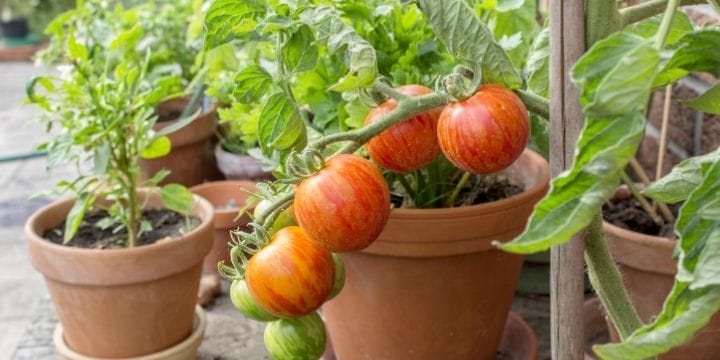
Tomatoes are heavy feeders that compete with broccoli for nutrients and water. They also prefer warmer temperatures, making them a poor seasonal match.
Strawberries can attract slugs and fungal issues that may harm broccoli. They also spread aggressively and compete for space.
Peppers are another heat-loving, nutrient-demanding crop that doesn’t align well with broccoli’s needs.
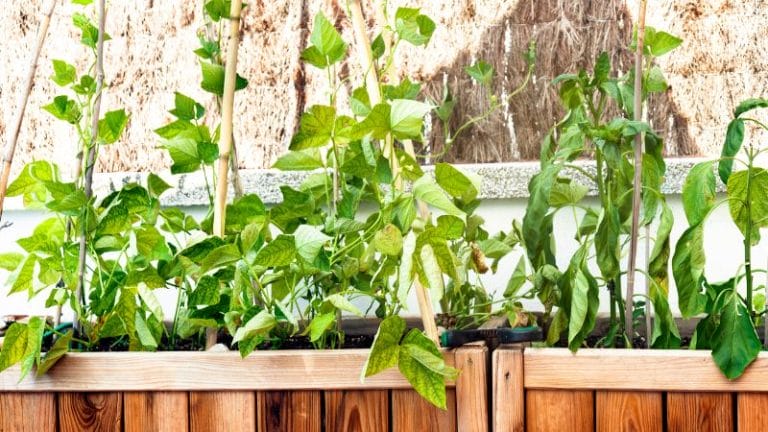
Pole beans and bush beans can interfere with broccoli by fixing too much nitrogen in the soil, which can lead to excessive leaf growth and poor head development.
Other brassicas like cabbage, cauliflower, and kale may seem like natural companions, but planting them close together increases the risk of shared pests and diseases. It’s best to rotate or space them apart.
Designing a Companion Planting Layout for Broccoli
When planning your broccoli bed, use herbs and flowers around the edges or between rows to deter pests and attract beneficial insects. Place quick-growing crops like radishes and spinach between your broccoli plants to maximize space early in the season. Add beets or onions at the ends of rows where they won’t compete for light. Avoid planting broccoli too close to other brassicas to minimize disease risk and nutrient depletion.
Companion planting works best when you also rotate your crops each season. Broccoli is a heavy feeder, so follow it with legumes or other light-feeding crops to give your soil time to recover.
Why Companion Planting Matters for Broccoli
Broccoli is a rewarding but sometimes finicky crop to grow, especially when pests like cabbage worms, aphids, and flea beetles arrive. Companion planting helps prevent these issues naturally by creating a more balanced, biodiverse garden. It also reduces your reliance on pesticides and improves overall soil health and plant vigor.
By understanding which plants support and protect your broccoli, and which ones to keep away, you’ll create a more productive and harmonious garden. It’s an easy and effective way to work with nature instead of against it.
Broccoli thrives when surrounded by the right companions. Whether you’re planting dill to attract helpful insects, onions to ward off aphids, or lettuces to maximize space, companion planting makes your garden more efficient and resilient. With a little planning, you’ll enjoy healthier plants, fewer pests, and a more abundant harvest. Try mixing in a few of these companions with your broccoli this season and see the benefits firsthand.