How to Grow Tomatillos in Containers
This page may contain affiliate links. Learn More.
If you’re short on space, learning how to grow tomatillos in containers is a great option. With the right care, they can thrive in pots on a patio, balcony, or backyard, even for the beginning gardener. Tomatillos are a fantastic addition to any home garden, known for their bright green husks and tart flavor.
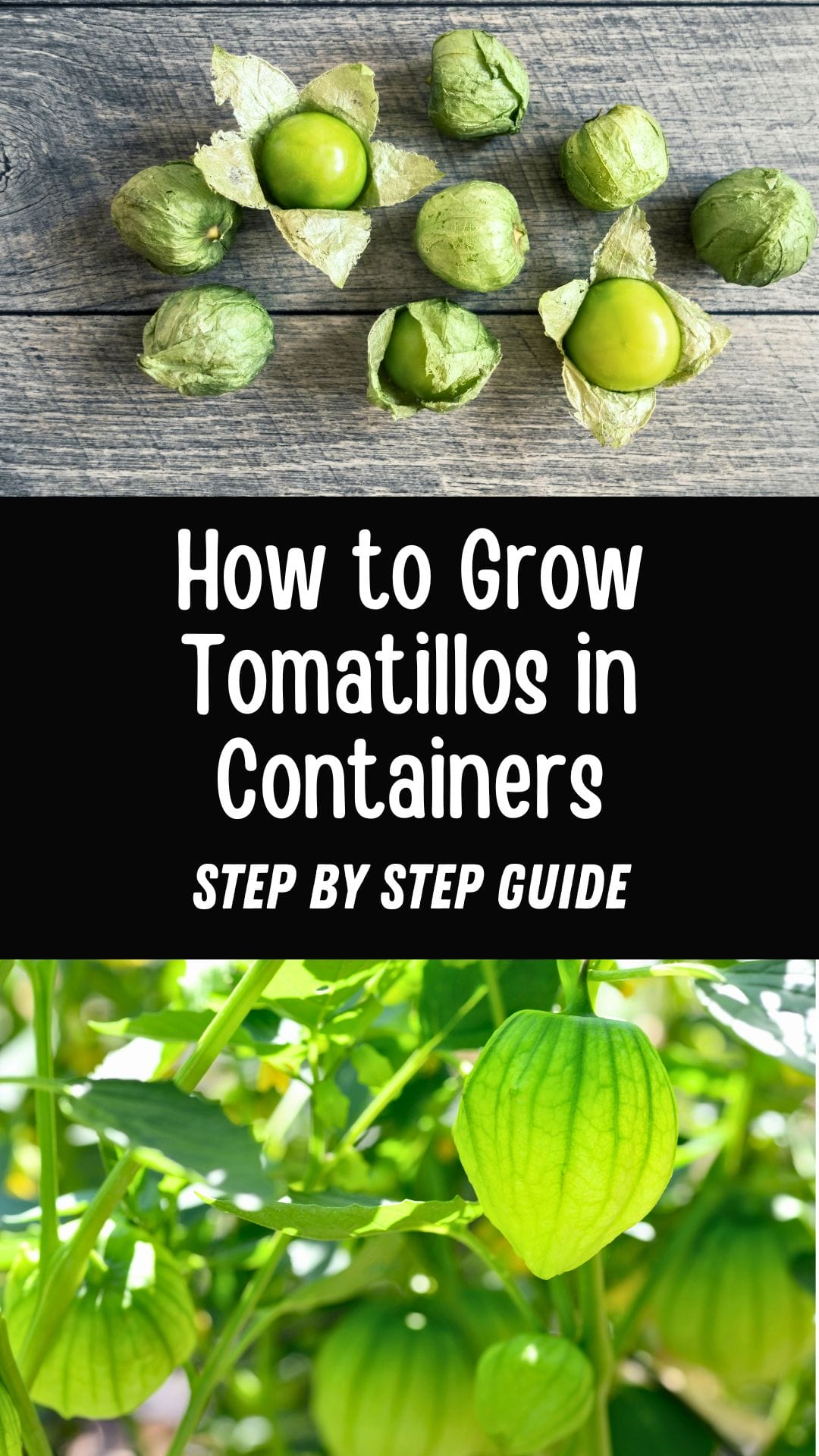
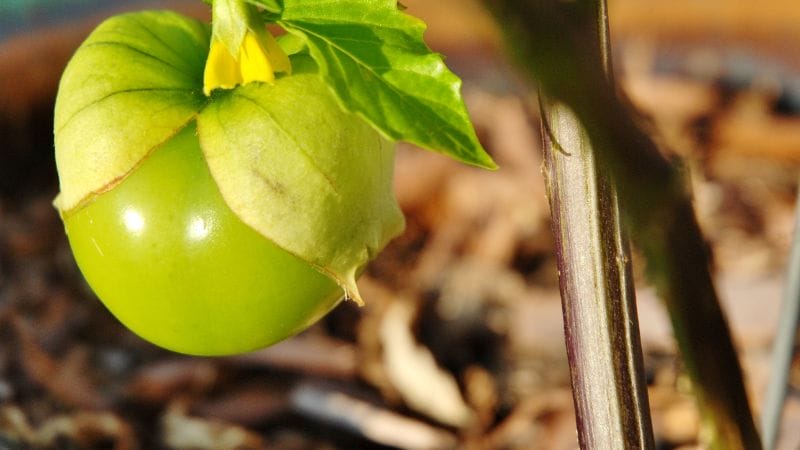
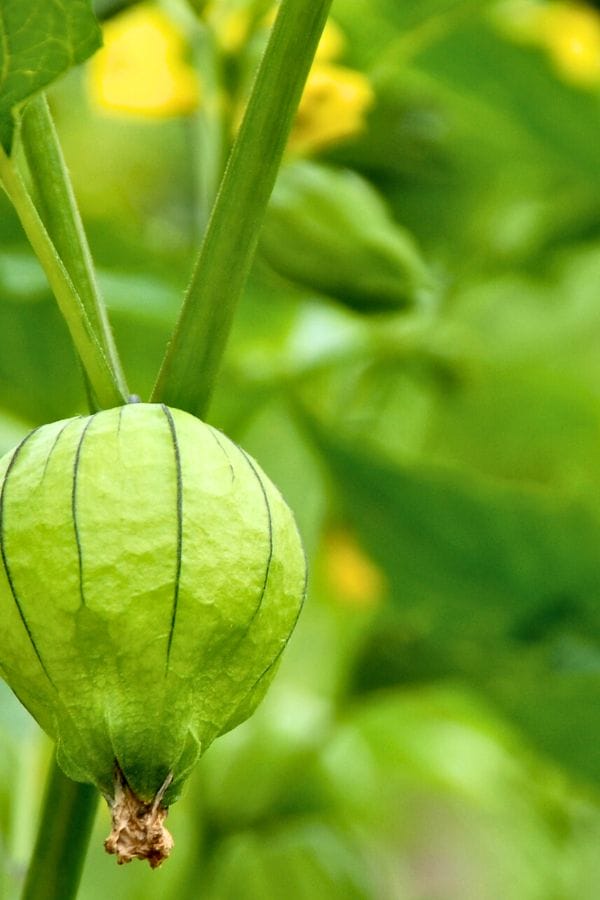
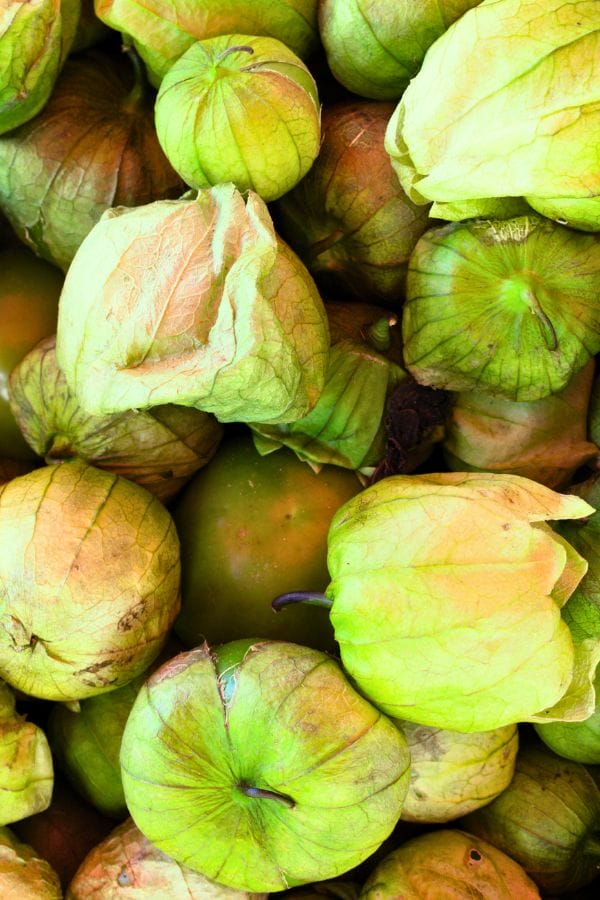
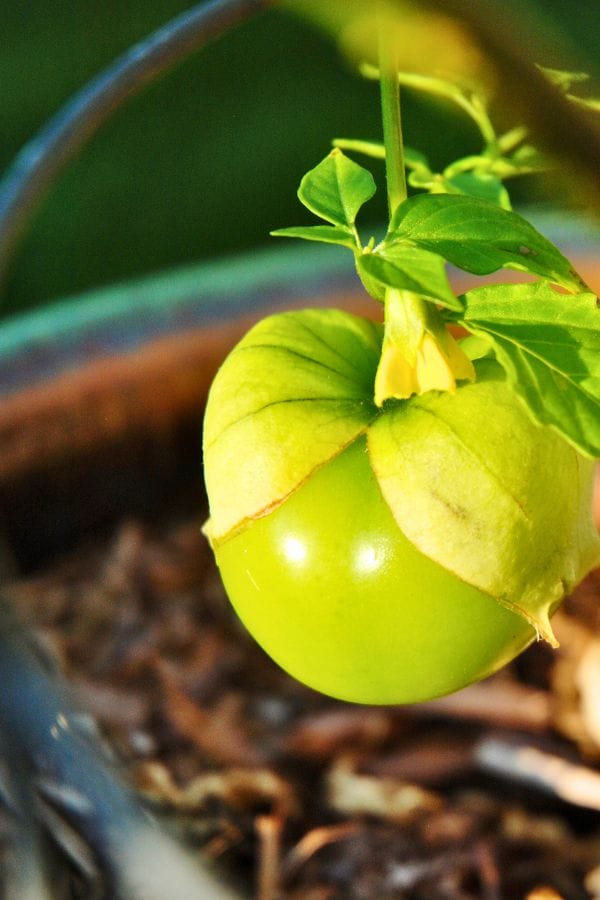
Tomatillos are a little tomato from Central America sometimes called a husk tomato. Ripe tomatillos have a green fruit with a papery husk on their main stems. Tomatillo plants require a long growing season in well-drained soil.
They are amazing in fresh salsa, pork verde, and many other recipes. They are fun to grow and delicious to eat. It’s a good idea to plant tomatillos in your kitchen garden, even if it’s your first time. They have high yields from a single tomatillo plant and are as easy to grow as tomato plants. So grab some tomatillo seeds and get to work! (Even if you have a small space to garden)
Container gardening can be extremely productive. We have grown all kinds of things in raised beds as well as buckets. For more ideas, check some of these out:
- Here are some great tips for Growing radishes in containers.
- Bucket Gardening 101, it’s easier than you think to grow food in simple buckets.
- How to Grow Kale in Containers will help you get the best yield in the space you have to grow kale.
- You can also learn about Growing Strawberries in a Bucket here.
If you want to read the full story of how we got started growing our own food at Little Sprouts and get all the basics to start yourself, check this out. The Journey of the Little Sprouts: A Guide for Growing a Better Tomorrow.
Why Grow Tomatillos in Containers?
Growing tomatillos in containers offers several benefits:
- Space Efficiency: Perfect for small gardens, patios, or balconies.
- Pest and Disease Control: Easier to manage pests and soil-borne diseases.
- Better Soil Control: You can provide optimal soil conditions.
- Easy Mobility: Move plants for better sun exposure or protection from extreme weather.
Choosing the Right Container
Tomatillos need plenty of space to grow. Here’s what to consider when selecting a container:
- Size: Choose a pot that is at least 5 gallons (preferably 10 gallons) to accommodate root growth.
- Material: Plastic, ceramic, or fabric grow bags work well. Ensure the container has drainage holes.
- Depth: A depth of at least 12–18 inches is ideal.
Best Soil for Tomatillos
Tomatillos thrive in well-draining, nutrient-rich soil. Use a high-quality potting mix with these components:
- Compost or organic matter for added nutrients.
- Perlite or sand to improve drainage.
- A balanced fertilizer (such as 10-10-10) to support growth.
Choosing the Right Tomatillo Varieties
Several tomatillo varieties grow well in containers:
- Toma Verde: A common, productive green tomatillo.
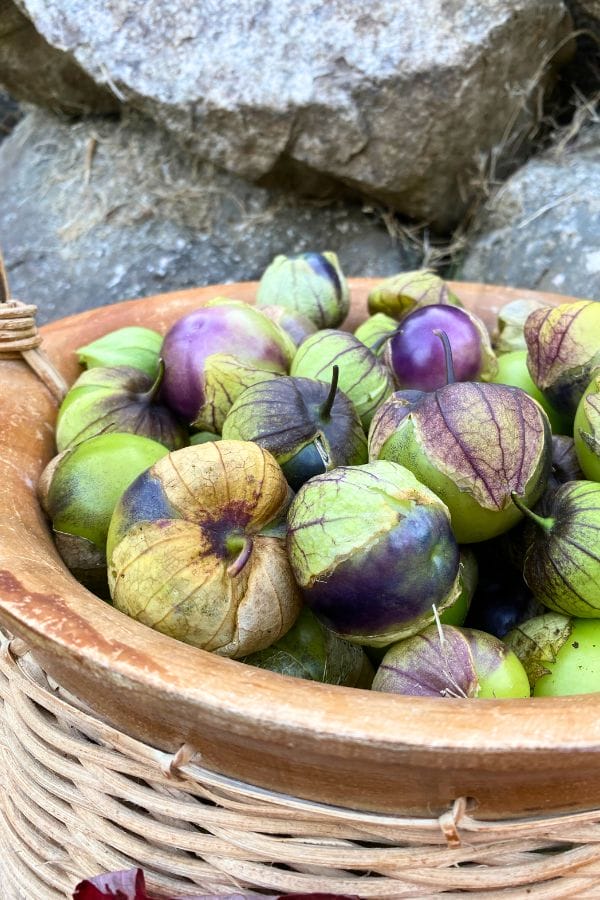
- Purple Tomatillo: Offers a sweeter flavor and vibrant color.
- Giant Yellow: Produces large, yellow fruits with a milder taste.
For a month to month garden planting guide, check this out.
Planting Tomatillos in Containers
Tomatillos are warm-season plants, so plant them after the last frost. Follow these steps:
- Start Seeds Indoors: Begin seeds 6–8 weeks before your last frost date.
- Transplant Seedlings: Once seedlings are 4–6 inches tall, move them to your container.
- Spacing: Place two tomatillo plants per container for proper pollination.
- Plant Depth: Bury them slightly deeper than their original growing depth to encourage strong roots.
Sunlight and Temperature Needs
Tomatillos need full sun for at least 6–8 hours per day. They prefer warm temperatures between 70–85°F (21–29°C). If growing in a cooler climate, use a greenhouse or row cover for warmth.
Watering Tomatillos in Containers
- Consistent Moisture: Keep the soil evenly moist but not waterlogged.
- Deep Watering: Water thoroughly until excess drains from the bottom.
- Mulch: Add a layer of straw or mulch to retain moisture.
- Frequency: Water 2–3 times per week, adjusting based on weather conditions.
Fertilizing for Healthy Growth
Tomatillos are heavy feeders. Fertilize regularly with:
- Balanced fertilizer (10-10-10) every 2–3 weeks.
- Fish emulsion or compost tea for organic feeding.
- Bone meal or calcium to prevent blossom-end rot.
Supporting and Staking Tomatillo Plants
Tomatillos grow tall and need support to keep fruit off the ground. Use:
- Tomato cages to support branches.
- Stakes or trellises for stability.
- Ties or clips to secure stems.
Pollination and Fruit Production
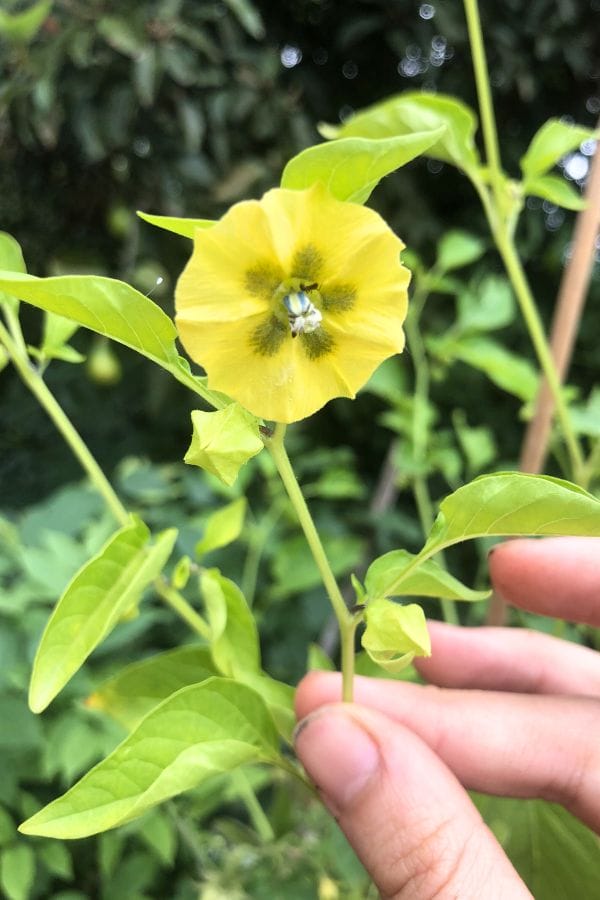
Unlike tomatoes, tomatillos need at least two plants for cross-pollination. Without multiple plants, they won’t produce fruit. Encourage pollination by:
- Planting in pairs.
- Attracting bees with flowers nearby.
- Hand-pollinating with a brush if necessary.
Common Pests and Problems
Tomatillos are relatively hardy but can encounter pests and diseases. Watch out for:
- Aphids: Remove with insecticidal soap or neem oil.
- Hornworms: Handpick and remove them.
- Fungal Diseases: Ensure good airflow and avoid overwatering.
- Blossom-End Rot: Prevent with calcium-rich fertilizers.
Harvesting Tomatillos
Tomatillos are ready to harvest 75–100 days after planting. Signs they’re ripe:
- The husk fills out and splits open slightly.
- Fruit inside is firm and green or purple, depending on the variety.
- If the husk remains loose, the fruit is not yet mature.
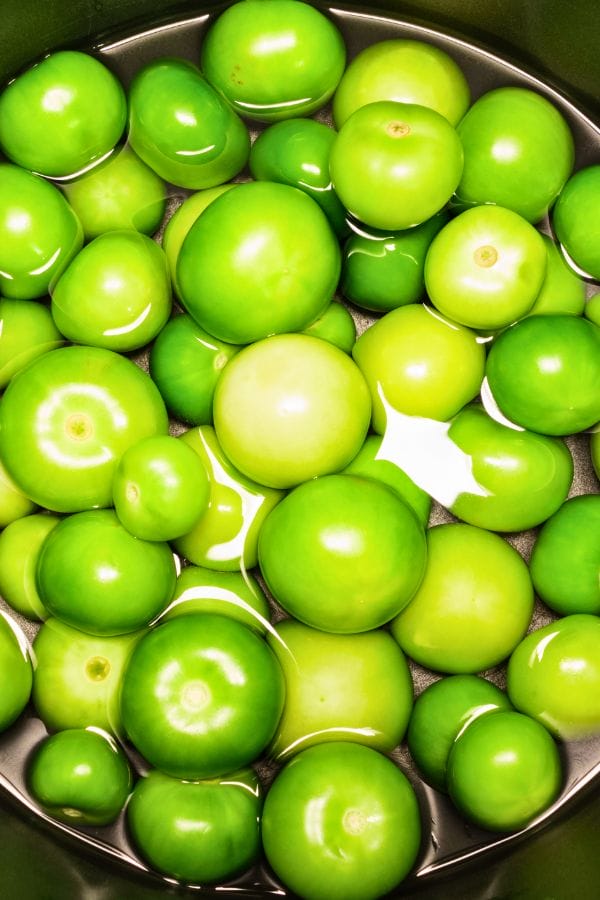
How to Store and Use Tomatillos
- Fresh Storage: Keep in their husks in a paper bag for up to 2 weeks.
- Refrigeration: Store peeled tomatillos in a sealed container for up to a week.
- Freezing: Wash, peel, and freeze whole or chopped tomatillos.
- Cooking Ideas: Use them in salsas, soups, and sauces.
Troubleshooting Common Issues
- No fruit production? Ensure you have two or more plants for pollination.
- Yellow leaves? Check for overwatering or nutrient deficiency.
- Wilting plants? Water deeply and provide shade during extreme heat.
- Husk forms but no fruit? Poor pollination is the likely cause.
- Rotate containers to ensure even sun exposure.
- Regular pruning keeps plants healthy.
- Monitor for pests and treat early.
- Enjoy the harvest! Fresh tomatillos make delicious homemade salsa verde and more.
Growing tomatillos in containers is a rewarding way to enjoy homegrown produce. With the right care, you’ll have a bountiful harvest of delicious tomatillos for your favorite dishes!