Tomato Companion Planting
This page may contain affiliate links. Learn More.
Tomatoes can be finicky growers. Tomato companion planting is choosing plant neighbors for tomatoes that help them thrive. Companion planting is a game changer in the garden!
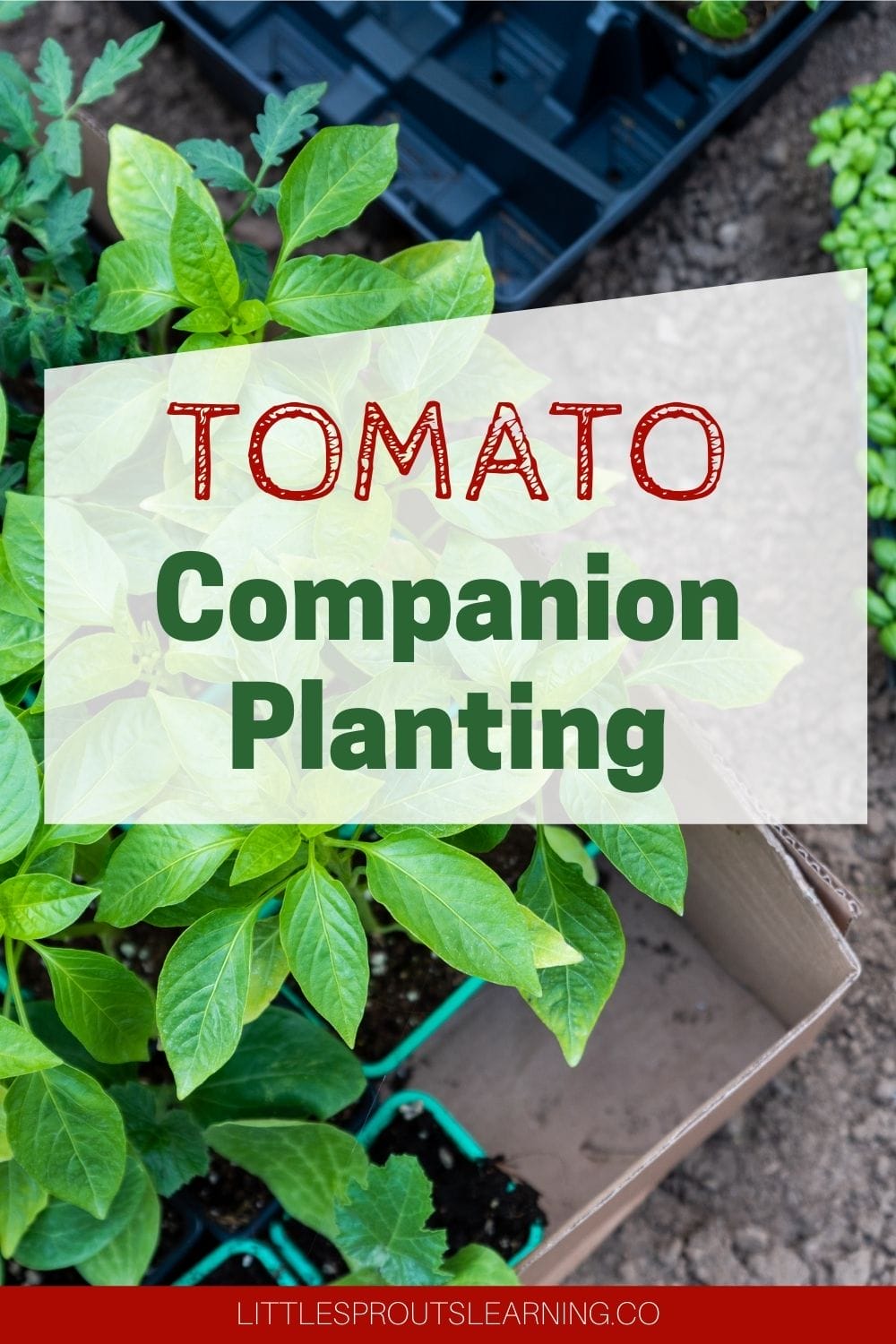
✔Here’s a link to a great vegetable garden planner you can print right out and use at home! So cute!
Planting basil with tomatoes
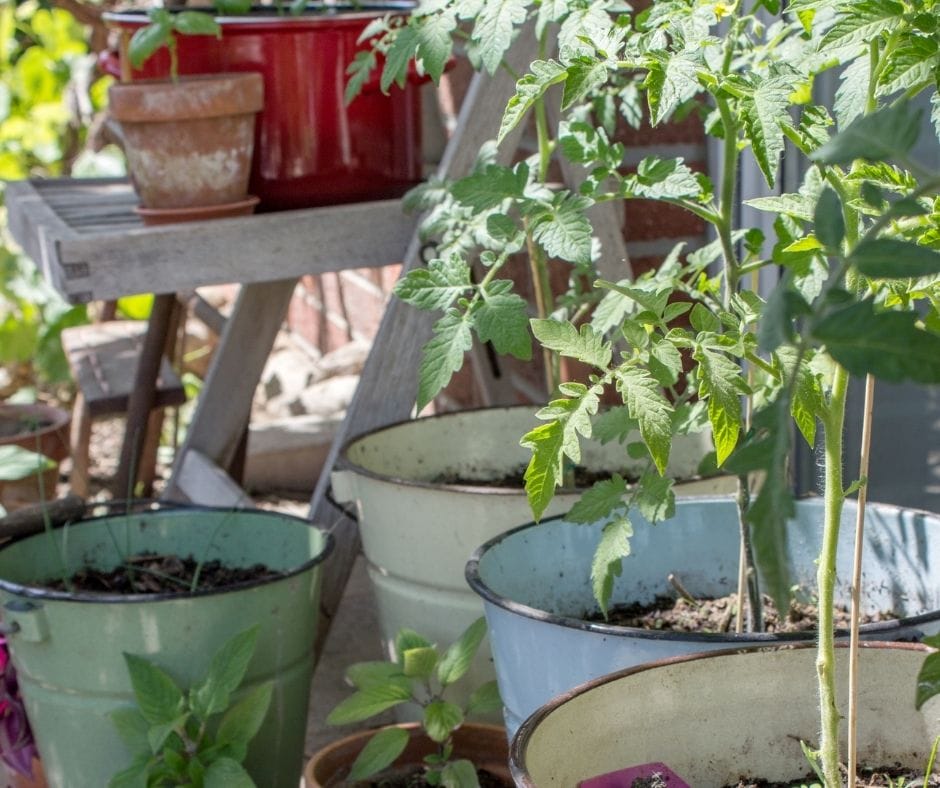
My favorite thing to plant with my tomatoes every year is basil. It has a strong scent that keeps hornworms away and gives the tomatoes an extra boost of flavor. I plant a basil plant in between each of my tomato plants.
Basil also repels flies including fruit flies which can quickly destroy fruit on the vine. Companion planting can be done for multiple reasons including pest control, nutrient balance, flavor, and more.
Companion flowers for tomatoes
Many flowers make great companions for tomatoes. Amaranth, for instance, repels pests from tomatoes by attracting their predators.
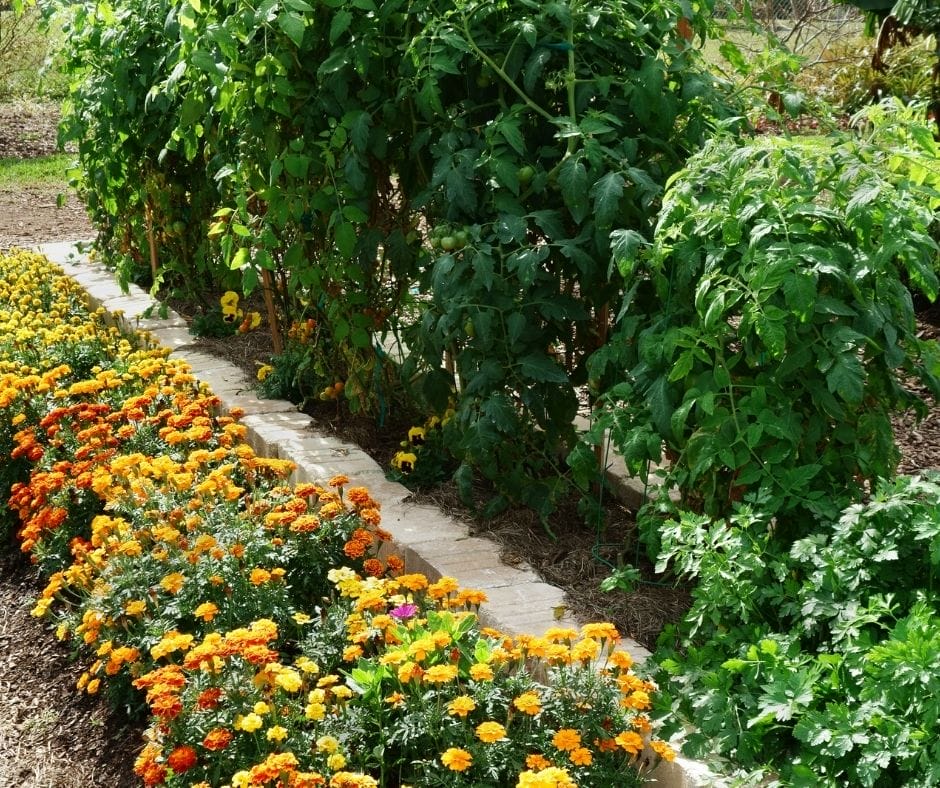
Marigolds repel pests from all over the garden with their stinky smell. But they also reduce root-knot nematodes in the soil which prey on tomatoes and other plants.
Nasturtiums are a trap crop for aphids, are an edible flower, AND look gorgeous in your garden.
Roses don’t offer benefits to tomatoes, but tomatoes protect roses. Planting tomatoes between roses can protect them from black spot.
For a complete companion planting guide, check this out on Etsy!
Planting tomatoes and peppers together
Tomatoes and peppers like the same conditions and can grow okay together, however, you should not plant peppers or tomatoes where you had peppers or tomatoes the year before. The reason for this is because diseases and pests can remain in the soil and attack the plant the following season.
This goes for potatoes and eggplant as well. In addition, potatoes and eggplants draw tomato hornworms to the tomato plants. If there are a ton of “nightshades” which is the family of plants that tomatoes, peppers, eggplant and white potatoes are in, you will draw them all and they can decimate crops in no time.
So, it’s best to separate the nightshades to different areas and definitely a must to rotate a different crop into that area the following year.
There are many plants that are great tomato companion plants. Lots of herbs and flowers, as well as other fruits and vegetables have many benefits for growing tomatoes.
Best companion plants for tomatoes
Some of the best companion plants for tomatoes are herbs. Herbs are fragrant, easy to grow, drought tolerant, and have a host of benefits for tomatoes.
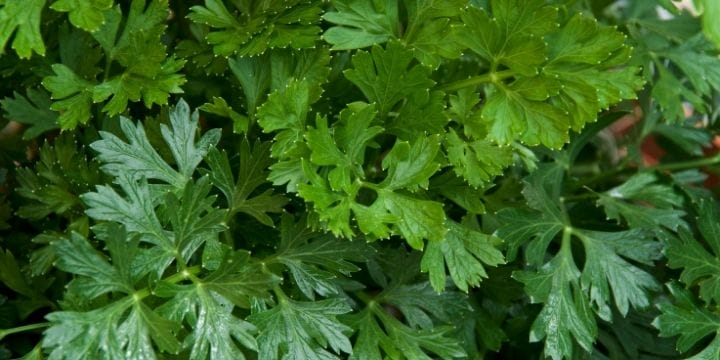
Borage improves growth and flavor and repels tomato hornworms. Anything in the mint family improves the health and flavor of the tomato. This includes mint, lemon balm, and oregano. Bee balm and parsley give the same benefits.
Many other herbs are great for tomato growth as they draw pollinators to the plants. Sage, thyme, rosemary, marjoram, cilantro, anise, horehound, and more.
On the other hand, dill and fennel excrete a substance from their roots that impedes tomato growth.
Tomato companion
Tomatoes repel the asparagus beetle. Carrots help tomatoes thrive and tomatoes give them carrots some shade and keep them cooler longer into the season. Lettuce and celery also enjoy this benefit of shade from tomato plants.
Beans are a nitrogen feeder and are good planted with most plants in the vegetable garden. Cucumbers and other cucurbits are good companions with tomatoes because they have similar needs for water and nutrition.
Garlic, onions, chives and other alliums are great to plant with tomatoes because their strong smell repels a number of pesky insects.
Bad Companions for Tomatoes
Some other plants that don’t do well with tomatoes are the cabbage family which includes cabbage, broccoli, brussel sprouts, collards, cauliflower, kale, kohlrabi, rutabaga, and turnips. Corn is also a bad match. And walnuts will inhibit the growth of tomatoes as well.
Some great groups for tomates include:
- Tomatoes, beans, cucumbers, basil, lettuce, and nasturtiums.
- Squash, tomatoes, and yarrow.
- Tomatoes, runner beans, butternut squash, marigolds, and basil.
- Tomatoes, garlic, parsley, oregano, and asparagus.
- Tomatoes, onions, basil, marigolds, parsley, calendula, and carrots.
Try one of these combinations in your next bed you plant.
If you’re looking for ways to use excess tomatoes from your garden, check out this article.
For information on how to grow tomatoes in a bucket, click here.
For more ideas on companion planting, check these out:


Thank you for Sharing great idea!
Great Ideas Thanks for Sharing!!
Thank you for checking it out!