
Vegetables to Plant in August for a Fall Harvest
This page may contain affiliate links. Learn More.
Discover the best vegetables to plant in August for a fall harvest. Learn which cool-season crops grow in late summer for fresh vegetables well into autumn.

If you think the gardening season is winding down in August, think again! Late summer is one of the best times to plant many cool-season vegetables for a delicious fall harvest. As the days gradually become shorter and temperatures begin to cool, many crops actually grow better than they do in spring.
Whether you have empty garden beds after harvesting summer vegetables or you’re planting a second crop, August is the perfect time to extend your growing season.
Here’s a list of the best vegetables to plant in August for a productive fall garden, along with tips to help your crops thrive.
Why Plant a Fall Garden?
Fall gardening offers several advantages over spring planting.
Many cool-season vegetables:
- Taste sweeter after light frosts
- Experience fewer insect problems
- Grow with less heat stress
- Require less watering as temperatures cool
- Continue producing well into autumn

A little planning now can keep fresh vegetables on your table long after summer ends.
1. Lettuce
Lettuce loves cool weather and often grows better in fall than in spring.
Choose loose-leaf varieties for quick harvests or head lettuce if you have a longer growing season. Succession plant every week or two for a continuous supply.
2. Spinach
Spinach thrives as temperatures cool. It germinates best in cooler soil, so keep the seedbed moist during warm August weather.
Many varieties become sweeter after a light frost.
3. Kale
Kale is one of the easiest fall vegetables to grow. In fact, cool temperatures improve its flavor by converting starches into sugars.
It often continues producing until winter in many climates.
4. Swiss Chard
Swiss chard tolerates both warm and cool temperatures, making it an excellent transition crop for August planting.
Harvest the outer leaves continuously while the plant keeps producing.
5. Radishes
Fast-growing radishes are perfect for late summer planting. Many varieties mature in just 25 to 35 days.
Plant small batches every week for a steady harvest.
6. Carrots
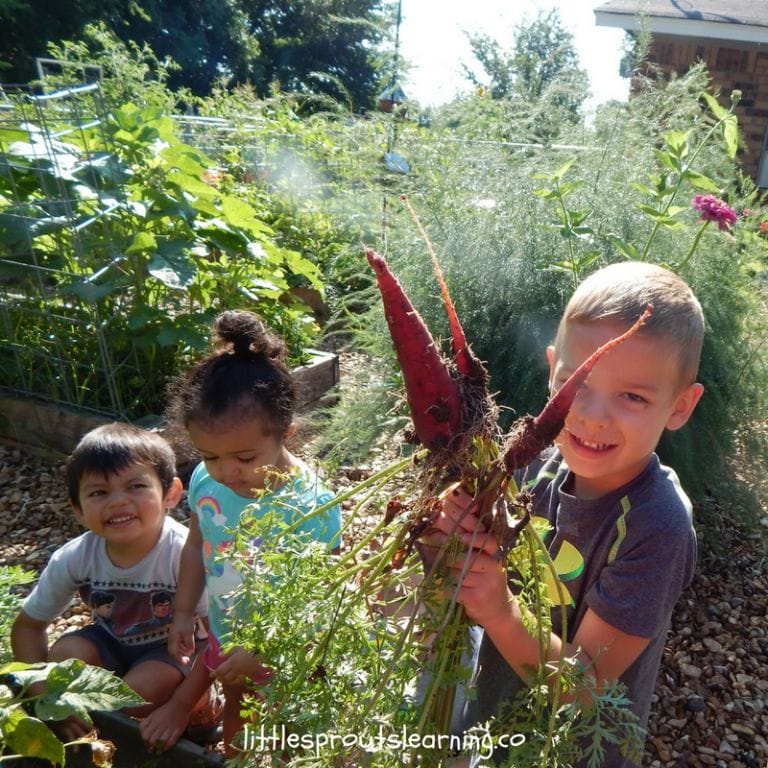
August is an excellent time to sow carrots for sweet fall roots.
Keep the soil consistently moist during germination, which can take up to three weeks in warm weather.
7. Beets
Beets grow quickly in cooling temperatures. You’ll enjoy both the nutritious greens and the flavorful roots.
8. Turnips
Turnips mature quickly and provide both edible roots and leafy greens. Small turnips are especially tender and mild.
9. Kohlrabi
This unusual vegetable develops crisp, sweet bulbs that become especially flavorful during cool weather. It’s one of my favorite vegetables, but it’s hard find to buy.
Harvest while the bulbs remain about the size of a tennis ball.
10. Broccoli
Transplant broccoli seedlings in August for a fall harvest. Many gardeners find fall broccoli produces larger, sweeter heads than spring crops.
11. Cauliflower
Like broccoli, cauliflower grows best as temperatures cool. Protect young plants from extreme heat until the weather begins to moderate.
12. Cabbage
Fall-grown cabbage often develops dense, flavorful heads with fewer pest problems than spring plantings.
13. Brussels Sprouts
Brussels sprouts require a long growing season but become exceptionally sweet after frost. Start with transplants in August if your climate allows.
14. Green Onions
Green onions establish quickly and tolerate cool weather well. Harvest young or allow them to mature for larger bulbs.
15. Peas
In areas with long growing seasons, peas planted in late summer can produce a rewarding fall crop. Provide support as vines begin climbing.
16. Mustard Greens
Mustard greens grow rapidly and add spicy flavor to salads and cooked dishes. Harvest leaves young for the mildest taste.
17. Arugula
Arugula grows quickly and develops a milder flavor during cool weather than it does in summer. Repeated sowings provide continuous harvests.
18. Bok Choy
Bok choy grows beautifully in fall gardens and is less likely to bolt than during spring. Harvest baby leaves or mature heads.
19. Collard Greens
Collards tolerate cool temperatures extremely well and often improve in flavor after frost.
20. Cilantro
Unlike summer plantings that quickly bolt, cilantro planted in August often produces abundant leaves as temperatures cool.

Tips for Planting Vegetables in August
Know Your First Frost Date
Count backward from your average first fall frost to determine whether each crop has enough time to mature. Seed packets list the number of days to harvest.
Water Consistently
August heat can dry out soil quickly. Keep newly planted seeds evenly moist until they germinate.
Add Mulch
A layer of mulch helps retain moisture and keeps the soil cooler during hot afternoons.
Use Shade if Necessary
Temporary shade cloth can help young seedlings become established during periods of intense heat.
Feed the Soil
Work compost into the soil before planting to replenish nutrients used by your summer crops.
What Can I Plant in August in Warm Climates?
Gardeners in warmer regions often have even more options. Depending on your growing season, you may also plant:
- Bush beans
- Cucumbers
- Summer squash
- Zucchini
- Corn (early varieties)
- Potatoes (for late harvests)
Check your local frost dates to determine what will mature before winter.
Frequently Asked Questions
Is August too late to plant vegetables?
No! Many cool-season vegetables actually perform better when planted in late summer for fall harvests.
Which vegetables grow fastest in fall?
Radishes, lettuce, spinach, arugula, mustard greens, and green onions are among the quickest crops to mature.
What vegetables taste better after frost?
Kale, Brussels sprouts, collards, carrots, and spinach often become sweeter after light frosts because the plants convert starches into sugars.
August marks the beginning of a brand-new gardening season rather than the end of one. By planting cool-season vegetables now, you can continue harvesting fresh produce well into autumn—and in some climates, even into winter.
Whether you’re sowing quick-growing lettuce and radishes or transplanting broccoli and cabbage, a fall garden rewards you with delicious harvests, fewer pests, and cooler days spent outdoors. Don’t let those empty garden beds sit idle. Plant them with fall vegetables and enjoy another season of fresh, homegrown food.