
How to Plant Trees and Shrubs (Step-by-Step Beginner’s Guide)
This page may contain affiliate links. Learn More.
Learn how to plant trees and shrubs the right way with this simple step-by-step guide for beginners to help them grow strong and thrive.

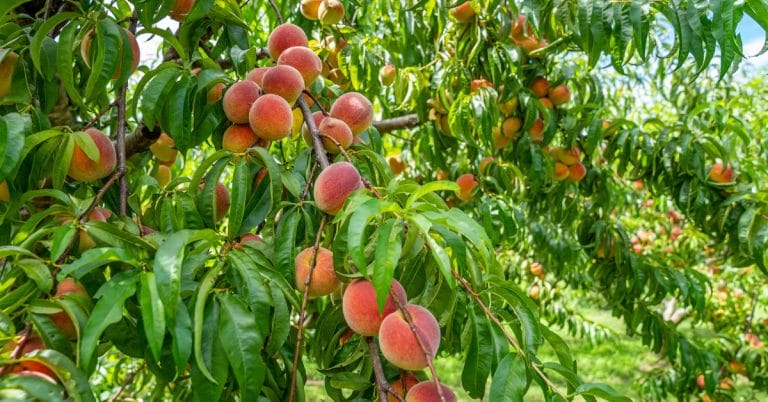
Planting trees and shrubs is one of the best investments you can make in your yard. They add beauty, shade, structure, and even increase property value. You can grow gorgeous fruit trees and even get food from them.
But planting them the right way is what makes the difference between something that struggles… and something that thrives for years to come.
The good news? You don’t need to be an expert to get it right. With a few simple steps, you can set your trees and shrubs up for strong, healthy growth from the very beginning.
Why Proper Planting Matters for Trees and Shrubs
A lot of plant problems don’t come from what happens later—they start at planting. If a tree or shrub is planted too deep, too shallow, or in poor soil conditions, it can struggle to establish roots.
Taking the time to plant correctly helps:
- Encourage strong root growth
- Reduce transplant shock
- Improve long-term health
- Increase survival rates
Getting it right from day one saves time, money, and frustration.

Choose the Right Location for Your Tree or Shrub
Before you dig, think about where your plant will live long-term.
Consider:
- Sunlight needs (full sun, partial shade, or full shade)
- Mature size (height and width)
- Distance from buildings, fences, and power lines
- Soil drainage
Giving your plant enough space now prevents problems later.
Pick Healthy Trees and Shrubs
Start with a strong, healthy plant. Look for:
- Green, vibrant leaves (not yellowing or wilted)
- A sturdy trunk or stems
- No visible pests or disease
- Roots that are not tightly circling the container
A healthy start makes a big difference in how well your plant adapts.
When Is the Best Time to Plant Trees and Shrubs?
Timing matters. The best times to plant are typically:
- Early spring
- Fall
These seasons offer milder temperatures and give roots time to establish before extreme heat or cold sets in.
Avoid planting during peak summer heat unless you’re prepared to water and protect the plant carefully.

How to Dig the Perfect Planting Hole
Digging the right hole is one of the most important steps.
Your hole should be:
- Twice as wide as the root ball
- About the same depth as the root ball (not deeper)
Wider holes allow roots to spread more easily, while proper depth prevents the plant from settling too low.
Prepare the Root Ball Properly
Before placing the plant in the ground, check the roots.
If the plant is root-bound (roots circling tightly), gently loosen them with your hands. This encourages them to grow outward into the soil instead of continuing to circle.
For burlap-wrapped plants, remove or loosen the wrapping before planting.
Plant at the Right Depth
One of the most common mistakes is planting too deep.
The top of the root ball should sit level with—or slightly above—the surrounding soil. Planting too deep can lead to poor growth and even root rot. If you have a tree or shrub that is grafted, you may end up with a different kind of tree than what you wanted too.
Take your time to position it correctly before filling in the hole.
Backfill with Native Soil
When filling the hole, use the soil you removed rather than replacing it completely with new soil.
This helps roots adjust more easily to the surrounding ground and prevents issues with water movement between different soil types.
Break up large clumps and gently firm the soil as you go.
Water Thoroughly After Planting
Once planted, water deeply to help settle the soil and remove air pockets.
New trees and shrubs need consistent moisture while they establish. Water regularly, especially during dry or hot weather.
Deep watering is better than frequent shallow watering.
Add Mulch to Protect the Roots
Mulch helps retain moisture, regulate soil temperature, and reduce weeds.
Apply a 2–3 inch layer around the base of the plant, but keep it a few inches away from the trunk to prevent rot.
This simple step makes a big difference in plant health.
Support Young Trees if Needed
Some young trees may need staking, especially in windy areas.
Use soft ties and avoid tying too tightly. The goal is support, not restriction. Remove stakes after the tree is established so it can develop strong roots and trunk strength.
Avoid Over-Fertilizing Early On
It’s tempting to give your new plant a boost, but too much fertilizer early on can actually harm it.
Focus on watering and proper planting first. You can fertilize later once the plant has had time to settle in.
Watch for Early Signs of Stress
After planting, keep an eye on your tree or shrub.
Signs of stress may include:
- Wilting leaves
- Yellowing
- Slow growth
Adjust watering and care as needed to help it recover and establish.
Be Patient—Growth Takes Time
Trees and shrubs don’t grow overnight. The first year is often focused on root development, not visible growth above ground.
With proper care, you’ll see stronger growth in the following seasons.
Plant Once, Enjoy for Years
Planting trees and shrubs the right way sets the foundation for long-term success. A little extra care at the beginning leads to healthier plants, less maintenance, and a more beautiful landscape over time.
Start with one or two, follow these simple steps, and build from there. Before you know it, your yard will be filled with plants that not only survive—but truly thrive.