
How to Garden with Kids: Fun, Easy Ideas for Every Age
This page may contain affiliate links. Learn More.
Learn how to garden with kids using fun, easy activities for every age. Inspire curiosity with The Journey of the Little Sprout and grow a love of nature together in your children’s garden.

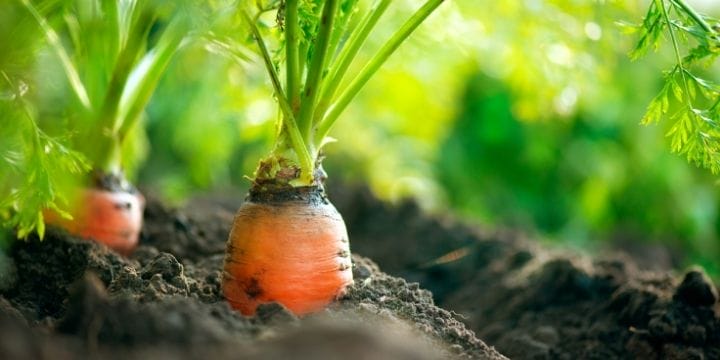
There’s something magical about watching a child discover a tiny seed has become a towering sunflower or pull a carrot from the ground for the very first time. Gardening teaches patience, responsibility, curiosity, and wonder in ways few other activities can.
If you’ve ever wanted to get your children interested in spending more time outdoors and less time in front of screens, gardening is one of the best places to start. You don’t need a huge backyard or years of experience—just a little dirt, a few seeds, and a willingness to explore together.
One of my favorite ways to introduce young children to gardening is through stories. That’s exactly why I wrote The Journey of the Little Sprout. The book follows our journey from wanting to grow to learning how with my kids, helping children see the garden through curious eyes before they ever plant their first seed.
Whether you’re a parent, grandparent, homeschool family, teacher, or daycare provider, these simple gardening ideas will help children fall in love with growing things.
Why Gardening Is So Good for Kids
Gardening is much more than growing vegetables.
It naturally teaches children:
- Science
- Math
- Reading
- Responsibility
- Patience
- Observation skills
- Healthy eating habits
- Environmental stewardship
- Fine and gross motor skills
Perhaps most importantly, gardening gives children confidence. They learn that their care and attention can help something living grow.

Gardening with Toddlers (Ages 2–3)
Toddlers love exploring with their senses.
Keep activities simple:
- Dig in the soil.
- Water plants.
- Fill watering cans.
- Pick flowers.
- Smell herbs.
- Hunt for worms.
- Collect leaves.
- Watch butterflies.
Don’t worry about perfect rows or neat gardens.
At this age, the experience matters far more than the harvest.
Gardening with Preschoolers (Ages 3–5)
Preschoolers are ready to participate in more of the gardening process.
They can:
- Plant large seeds like beans or peas.
- Count seeds.
- Measure plant growth.
- Pull small weeds.
- Harvest vegetables.
- Help make compost.
- Decorate garden markers.
- Draw pictures of what they observe.
This is also the perfect age for simple science conversations about roots, flowers, insects, and weather.

Gardening with Elementary Kids (Ages 6–10)
Older children enjoy taking ownership of their own garden space.
Encourage them to:
- Design a small garden bed.
- Read seed packets.
- Start seeds indoors.
- Keep a garden journal.
- Learn about pollinators.
- Research different plants.
- Save seeds for next year.
- Cook recipes using what they’ve grown.
Giving children responsibility helps build confidence and independence.
Easy Plants Kids Love Growing
Choose plants that grow quickly and are fun to harvest.
Great beginner choices include:
- Sunflowers
- Radishes
- Lettuce
- Green beans
- Cherry tomatoes
- Pumpkins
- Peas
- Carrots
- Strawberries
- Zinnias
- Marigolds
Quick success keeps children excited.
Turn Gardening into an Adventure
Children learn best through play.
Try garden activities like:
Garden Scavenger Hunt
Can you find:
- A bee
- A worm
- A yellow flower
- A smooth rock
- A feather
- Something fuzzy
- Something that smells good
Nature Journals
Draw pictures of:
- New sprouts
- Insects
- Leaves
- Flowers
- Vegetables
Garden Taste Test
Harvest different vegetables and compare:
- Sweet
- Sour
- Crunchy
- Juicy
Plant a Rainbow
Challenge children to grow vegetables and flowers in every color.
Make It Part of Everyday Life
Gardening doesn’t have to be a special event.
Invite children to:
- Water after breakfast.
- Pick vegetables before dinner.
- Watch the weather forecast.
- Collect seeds in the fall.
- Feed compost.
- Look for new flowers each morning.
These small daily moments create lasting memories.
Don’t Worry About Perfection
One of the biggest mistakes adults make is expecting children to garden like adults.
Expect:
- Crooked rows
- Too many seeds
- Muddy clothes
- Water everywhere
- Lots of questions
Those aren’t problems.
They are signs that learning is happening.
A child’s joy is far more important than a picture-perfect garden.
Bringing the Garden Indoors
Even during winter, gardening can continue.
Try:
- Growing herbs on a windowsill.
- Sprouting beans in a jar.
- Starting seeds indoors.
- Reading garden books together.
- Planning next year’s garden.
- Drawing favorite vegetables.
The excitement doesn’t have to end with the growing season.
My Journey of Gardening With Kids
My love of gardening started long before I ever dreamed I would spend my days gardening with children. It began in third grade with something incredibly simple—a bean planted in a cup. Watching that little seed sprout and grow fascinated me. It was such a small experience, but it planted a seed in me, too. I never forgot the wonder of seeing something come to life because I had planted it and cared for it.
Years later, my mentor, Doug Walton, taught me more about gardening and, especially, about the value of gardening with kids. That changed the way I looked at the garden. It wasn’t just a place to grow food. It could be a classroom, a playground, a place for discovery, and a way to help children connect with the world around them. Over the years, I began gardening with the children in my home daycare, learning right alongside them as we planted seeds, dug in the dirt, discovered bugs, tasted fresh vegetables, and celebrated every tiny thing that grew.
That’s the story behind my book, The Journey of the Little Sprout. It’s written for adults who want to discover the joy of gardening and share it with the children in their lives. I tell the story of that first bean in a cup, the people and experiences that shaped me, and how our Little Sprouts garden became what it is today. I also included Gardening 101 to help beginners learn the practical basics of starting and growing a garden.
You don’t have to be an experienced gardener to garden with kids. You don’t need a huge yard, expensive equipment, or years of knowledge. Sometimes all it takes is a seed, a little dirt, a child who’s curious about what will happen next, and an adult willing to wonder alongside them. That’s how my journey began—and you never know where one little seed might lead.
Frequently Asked Questions
What’s the best age to start gardening with kids?
Children can begin exploring gardens as toddlers. Even very young children enjoy digging, watering, and watching plants grow.
What vegetables are easiest for kids to grow?
Radishes, lettuce, beans, peas, cherry tomatoes, carrots, and pumpkins are all excellent choices.
How do I keep kids interested in gardening?
Choose fast-growing plants, let children make decisions, celebrate every harvest, and make gardening playful instead of focusing on perfection.
Can I garden without a backyard?
Absolutely! Containers, raised beds, window boxes, balconies, and even sunny windowsills are wonderful places for children to grow plants.
Is gardening educational?
Yes! Gardening naturally teaches science, math, reading, nutrition, responsibility, problem-solving, and observation skills—all while having fun.
Where can I learn more about gardening with young children?
If you’re looking for a fun way to introduce gardening before you head outside, The Journey of the Little Sprout is a wonderful place to begin. Through an engaging story and colorful illustrations, it encourages children to wonder, explore, and discover the incredible journey every tiny seed takes as it grows.
Some of the sweetest childhood memories begin with dirty hands, muddy boots, and a tiny seed tucked into the soil. Gardening teaches children that good things take time, that caring for living things matters, and that patience often leads to beautiful rewards.
I wrote The Journey of the Little Sprout because I wanted young children to experience that sense of wonder long before the first harvest. My hope is that the story inspires families, classrooms, and daycare providers to slow down, step outside together, and discover the joy of growing something from the ground up. Grab your copy on Amazon today!
After all, the vegetables you harvest will eventually be eaten—but the memories you grow together can last a lifetime.